
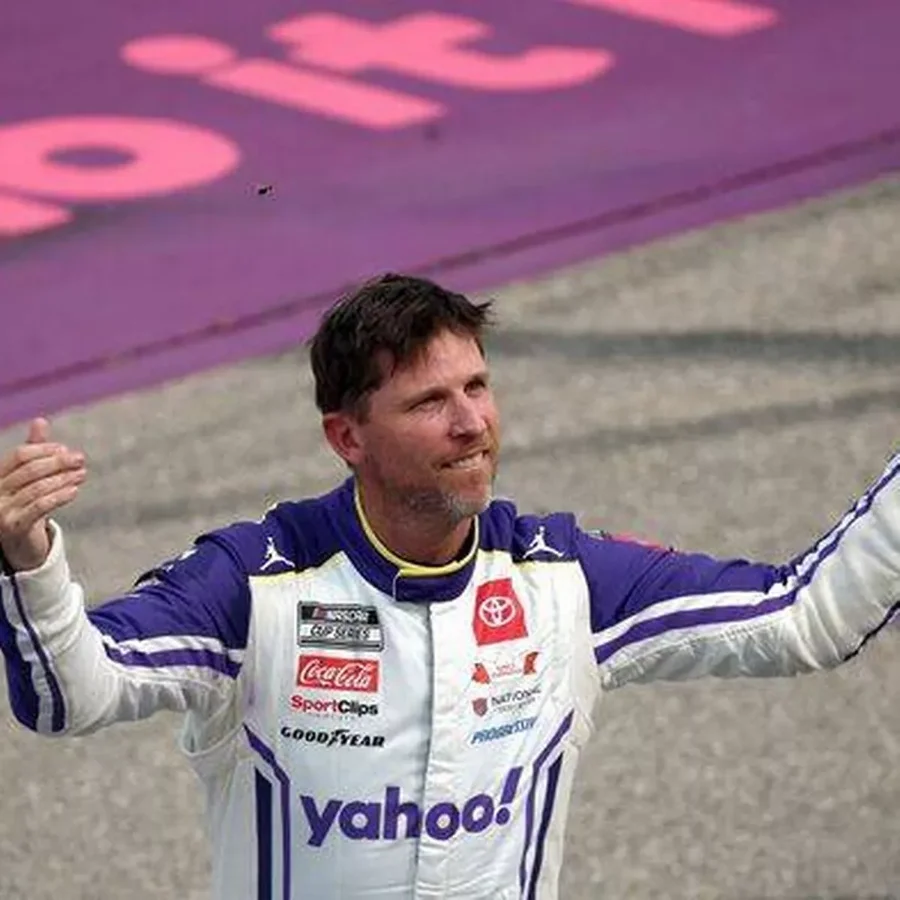

Denny Hamlin stands out as one of the most divisive personalities in NASCAR today. Known for his transparent display of emotions, the 23XI Racing co-owner and veteran Cup Series driver often provokes strong reactions from fans. Jeff Burton, a seasoned NASCAR star, recently highlighted how Hamlin’s experiences playing golf have influenced his evolution into a villainous figure within the sport.
Throughout his career, Hamlin has cultivated a distinct reputation, frequently receiving boos from audiences at races. Despite this, he embraces the hostility and channels it into an aggressive drive for victory. The 44-year-old driver is unafraid to voice controversial opinions during a period when many in NASCAR prefer to tread lightly. Burton explained that the casual and uninhibited nature of golf conversations is what Hamlin aims to replicate on the NASCAR circuit, injecting authenticity into his confrontational style.
Golf as a Catalyst for Hamlin’s On-Track Persona
In golf, players often exchange candid remarks with competitors, sharing thoughts that wouldn’t typically surface in public. Jeff Burton pointed out that Hamlin admires the freedom that golf provides to express oneself without filters, and he brings that unrestrained energy into the NASCAR garage.
“When we all play golf together, there’s a lot of talking, there’s a lot of things that you can’t say in public that you will say to a guy when you’re playing golf against him, just some talking. And Denny wants to bring that to the racetrack, he wants to bring that to like, ‘Hey let’s do it, like let’s go at it and look it. It turns some people off and some people like it and that’s the point.”
—Jeff Burton, NASCAR’s Inside The Race
Burton emphasized that this approach doesn’t seek universal approval but is intentional in creating a polarizing image. Hamlin’s readiness to engage openly and combatively leaves some fans alienated while drawing others closer, fueling passion in the sport.
Injecting Passion and Personality into NASCAR
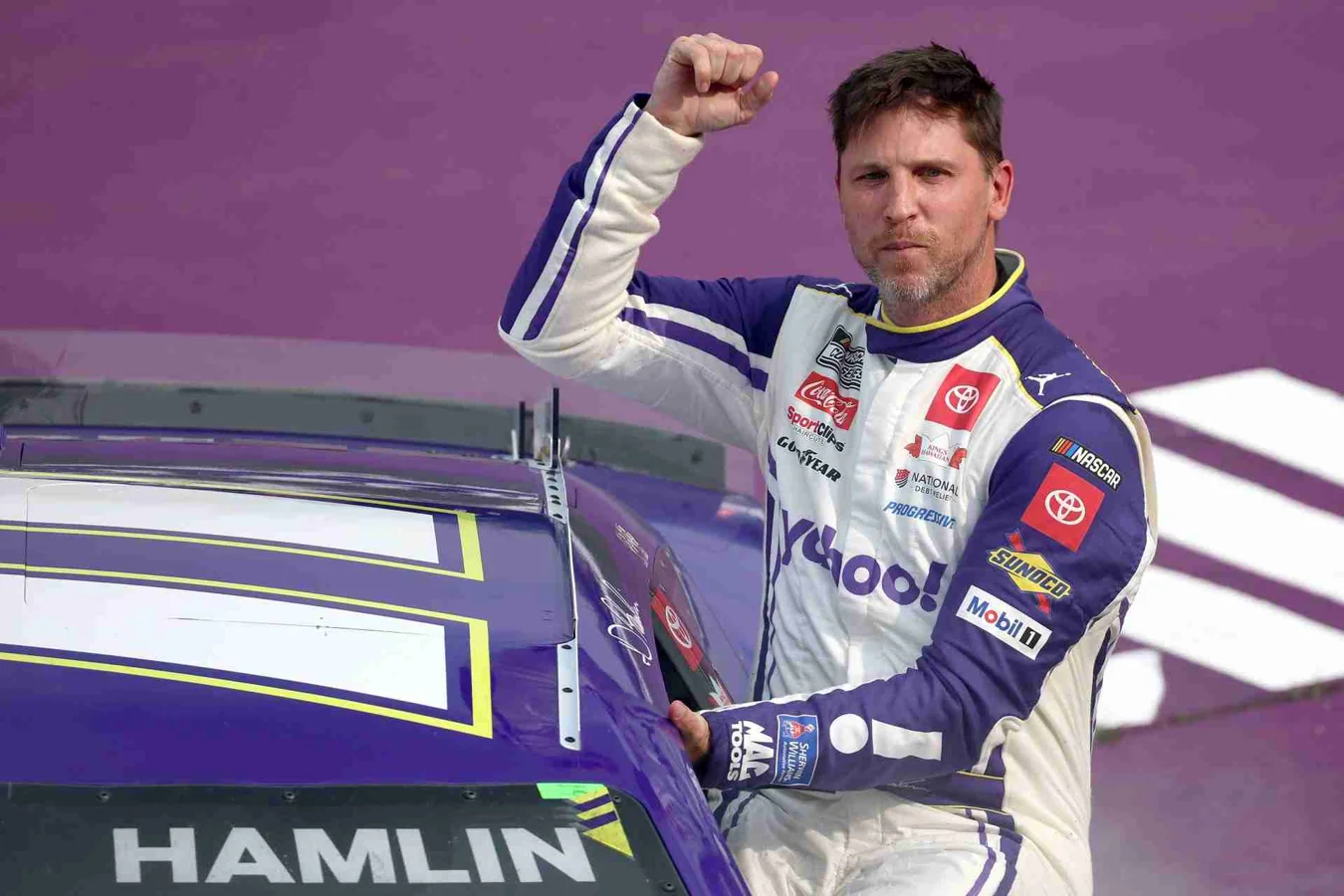
Burton argued that Hamlin’s desire for strong character among drivers is crucial to NASCAR’s appeal. He suggested that driver personalities, including those like Hamlin who attract both cheers and boos, energize the sport and build dedicated fanbases.
“That’s the point for Denny is like we need personalities in this sport. When somebody walks across the stage to get booed, we need them to get cheered. That passion about the drivers is the most important part of our sport.”
—Jeff Burton
This blend of admiration and antagonism around drivers like Hamlin encourages deeper fan engagement, creating a loyal following and a vibrant atmosphere at races. Burton believes that having these vivid personalities generates lasting emotional investment from fans.
Hamlin’s Commitment to His Unyielding Character
Jeff Burton noted that Hamlin’s approach goes beyond typical competitiveness; the driver has fully embraced his own unique persona with maturity and resolve. Hamlin refuses to alter his identity in response to negative reactions, standing firm in who he is both on and off the track.
“You have to have an attachment, and so Denny, with his maturity, has decided, ‘This is who I am, this is who I like to be like, I like this talk and I’m going to do it.’”
—Jeff Burton
This steadfastness ensures Hamlin continues to divide opinion, reinforcing his role as NASCAR’s controversial figure. Despite criticism, his performance on the track remains consistently strong, as he battles regularly at the front of the pack.
The significance of Hamlin’s phenomenon lies in its impact on NASCAR’s culture; his unapologetic attitude exemplifies how personalities can simultaneously attract admiration and provoke dissent, keeping the sport emotionally charged. Whether other drivers will follow his bold example remains uncertain, but Hamlin’s legacy as a fierce, complex competitor is well established.