
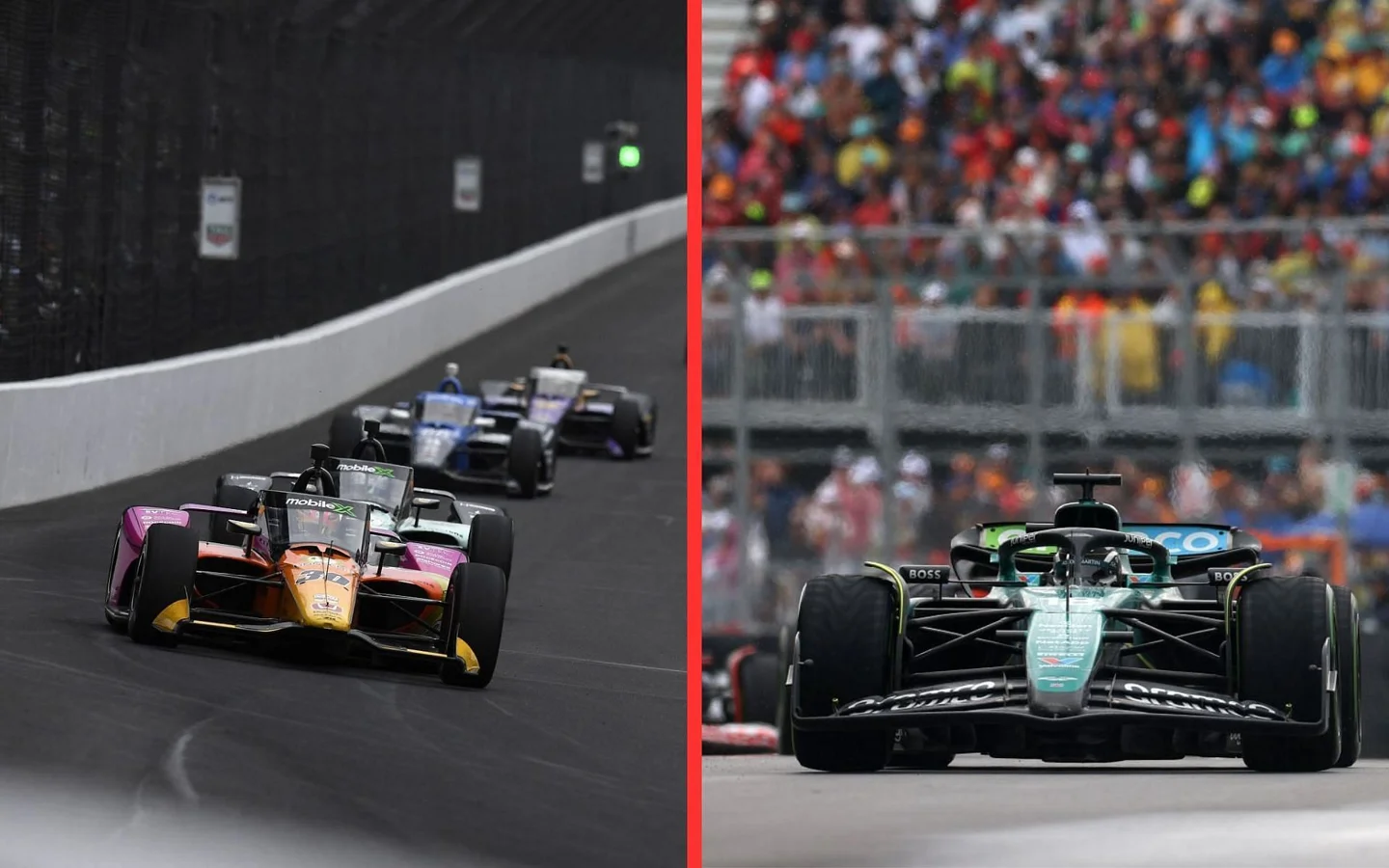

Andretti Global driver Marcus Ericsson voiced strong criticism over Formula 1’s decision to schedule the 2026 Canadian Grand Prix on the same weekend as the Indianapolis 500. Speaking at the World Wide Technology Raceway ahead of an IndyCar race, Ericsson condemned the clash, emphasizing the difficulty it presents to fans and participants alike.
In June, F1 announced its 2026 calendar, bringing major changes including moving the Canadian GP forward by one weekend and swapping its usual date with Monaco’s. This shift places the Canadian GP in direct competition with the Indy 500, two major events occurring simultaneously in the same time zone, forcing viewers and attendees to choose between them.
Previously, the Indy 500, Monaco GP, and Coca-Cola 600 coincided on Memorial Day weekend, but F1’s effort to reduce carbon emissions from race logistics led to rearranging the calendar. The Canadian GP will now follow the Miami GP weekend, aligning European races more closely while inadvertently scheduling the Canadian round against the iconic Indy 500.
This decision triggered widespread criticism from motorsport fans globally, who worry about the split audience and the impact on the atmosphere at both events. When asked by Frontstretch about the conflict, Marcus Ericsson weighed in clearly.
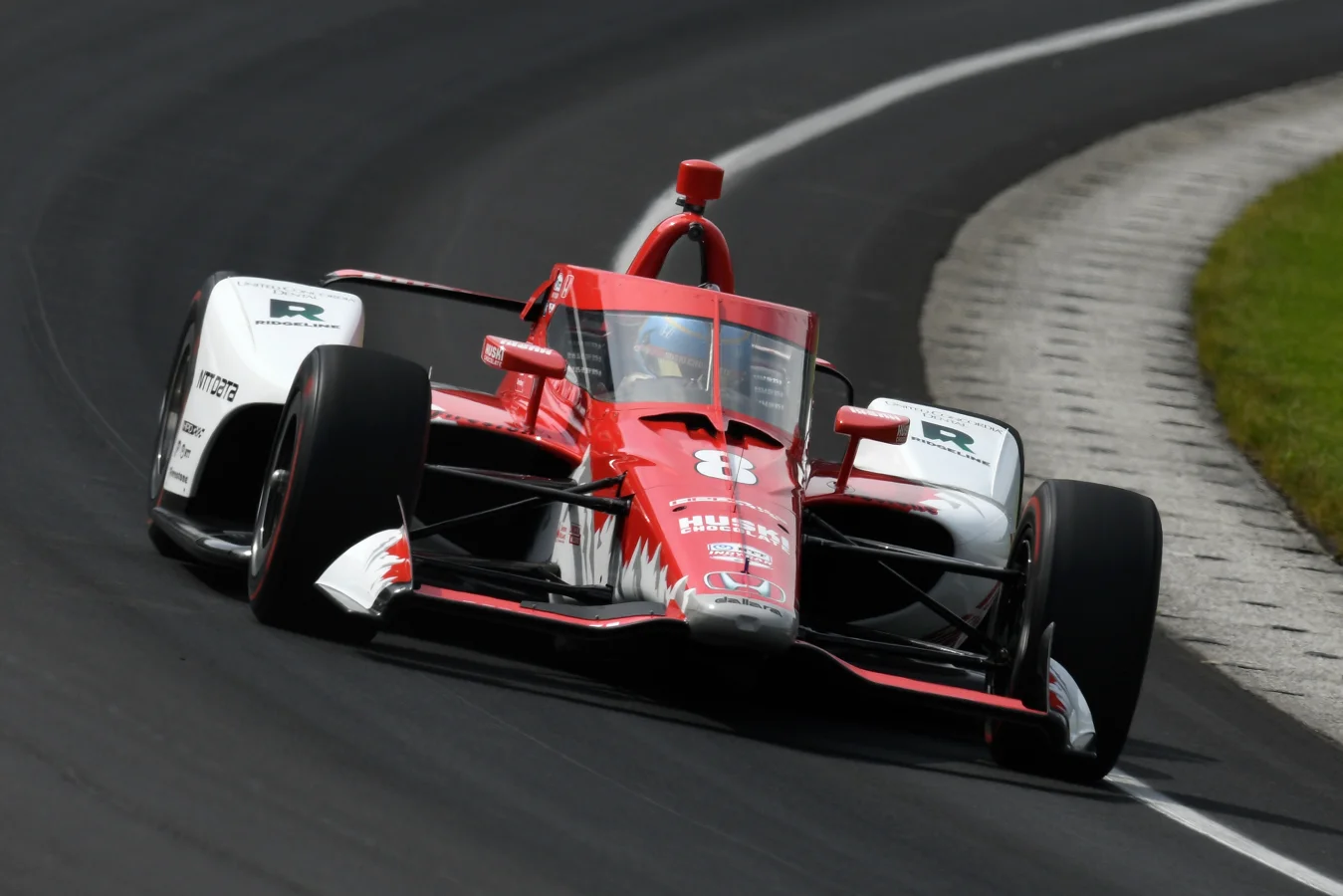
“That’s an easy one. It’s the Indy 500, it’s unique. The 500 is the best race in the world. I love the Canadian GP as well, I think it’s really fun, but there is no comparison between the two,” said Marcus Ericsson.
“Personally, I’m just a little bit sad to see it because I love F1 as well, I love watching F1 and putting us up against each other, I don’t think it’s necessary really. So, hopefully it’s a one time thing and they will reconsider because it’s better when they don’t conflict with each other,” added Ericsson.
Ericsson’s perspective carries added weight given his background as a former Formula 1 driver for Caterham and Sauber before his transition to IndyCar, where he now competes full time.
Marcus Ericsson Discusses Impact of Night Racing at World Wide Technology Raceway
Another change affecting Ericsson’s racing calendar involves the Bommarito Automotive Group 500 at World Wide Technology Raceway, originally set as a day race for the 2025 season. Following schedule updates announced by FOX and IndyCar, this race has been shifted to a night event.
When asked how this adjustment would influence preparations and car setup, Ericsson explained that cooler track conditions due to the absence of sunlight would require fine-tuning, though not a dramatic overhaul.
“A little bit with the car setup. You need to, you know, tune a little bit more to have an evening race with a cooler track temperature mainly because the sun is not going to be out and heat the track up. So more fine tuning than anything. It’s not going to change like a dramatic thing.”
The Bommarito Automotive Group 500 is scheduled for Sunday, June 15, at the 1.25-mile circuit, adding a new variable for teams and drivers to manage during the race weekend.
The Wider Significance of the Scheduling Conflict
The simultaneous scheduling of the Canadian Grand Prix and the iconic Indy 500 highlights ongoing challenges in balancing global motorsport calendars. Both races are cornerstone events; the Indy 500 is steeped in tradition and widely regarded as the world’s premier oval race, while the Canadian GP offers high-speed excitement on a road course favored by F1 fans.
Ericsson’s criticism reflects concern among drivers and fans that this clash may dilute viewership and attendance for both events. Since the races share the same time zone, the conflict poses a direct choice, reducing the opportunity for motorsport enthusiasts to fully engage with both. The decision could influence how organizers coordinate future calendars to maximize fan experience and maintain the prestige of each race.
As the 2026 season approaches, attention will focus on whether Formula 1 revisits this scheduling or if the clash remains a one-time occurrence. For now, fans and participants await how this unprecedented overlap will affect the dynamics of both racing communities.