
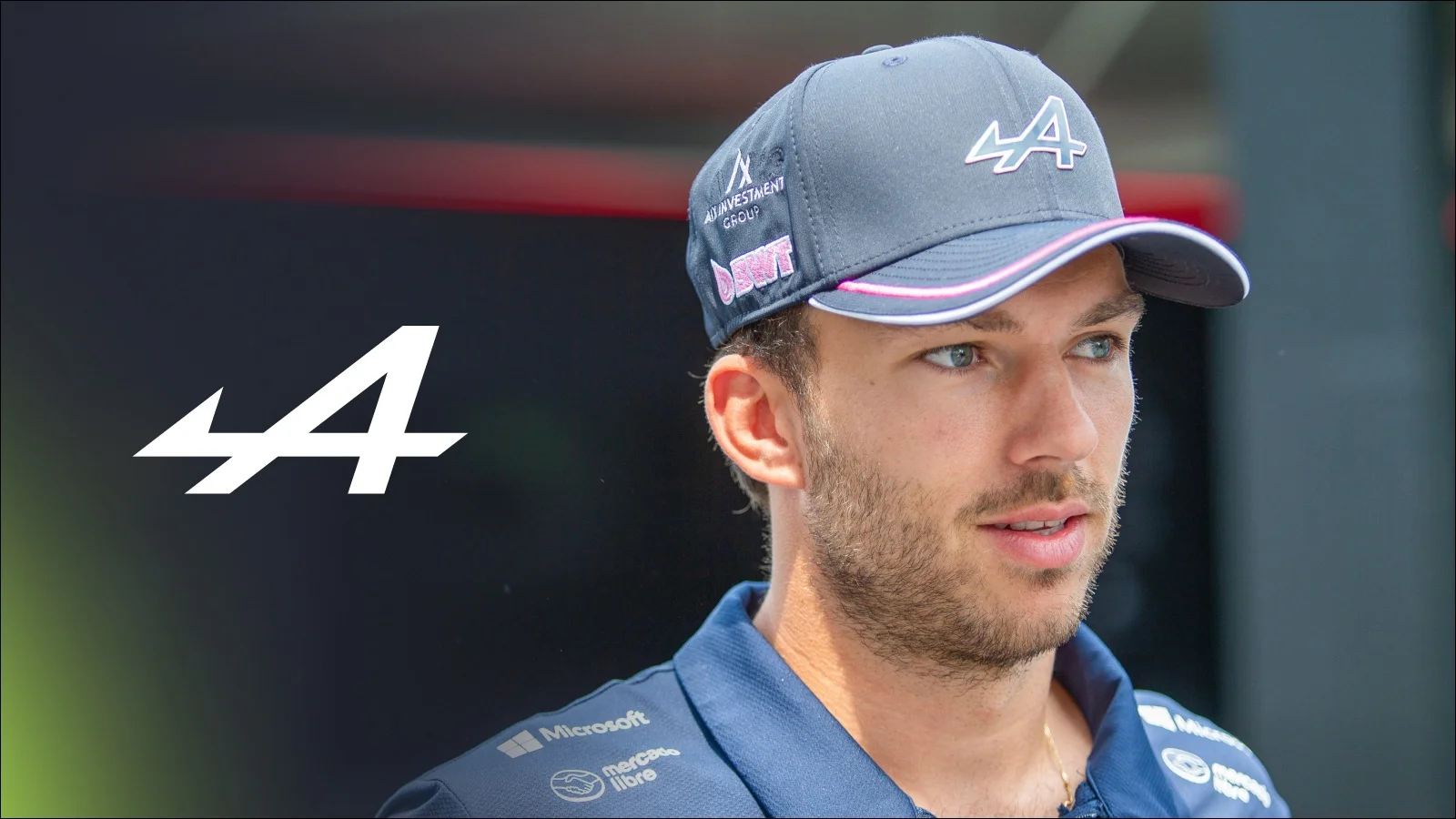

Pierre Gasly expressed full support for Alpine boss Flavio Briatore’s hopeful outlook on the team’s potential to challenge for the Formula 1 title by 2027, emphasizing that the upcoming 2026 regulation overhaul creates significant uncertainty about the competitive order. While Briatore foresees a bright path ahead, Gasly warned that definitive conclusions can only come from on-track performance once the new cars debut.
The Enstone-based team faces a new chapter shaped by sweeping technical changes in the 2026 season, and Briatore has publicly set ambitious goals for Alpine, envisioning them as title contenders just a year after the regulation shift. Despite this bold vision, Gasly highlighted the challenge of accurately predicting competitiveness through simulations alone and noted that real answers will emerge only after the first testing sessions.
Alpine’s Leadership Projects Title Contention by 2027
At the recent Barcelona Grand Prix, Flavio Briatore openly shared his strong belief that Alpine could become championship contenders starting in 2027. He cited historical precedents where teams previously at the back of the field rose quickly to the front following major changes.
Briatore recalled how Red Bull, McLaren, Renault, and even Benetton experienced dramatic transformations, moving from poor performances to championship-winning form within a few years. He stressed the volatile nature of Formula 1, where dominance shifts regularly due to evolving regulations and team efforts.
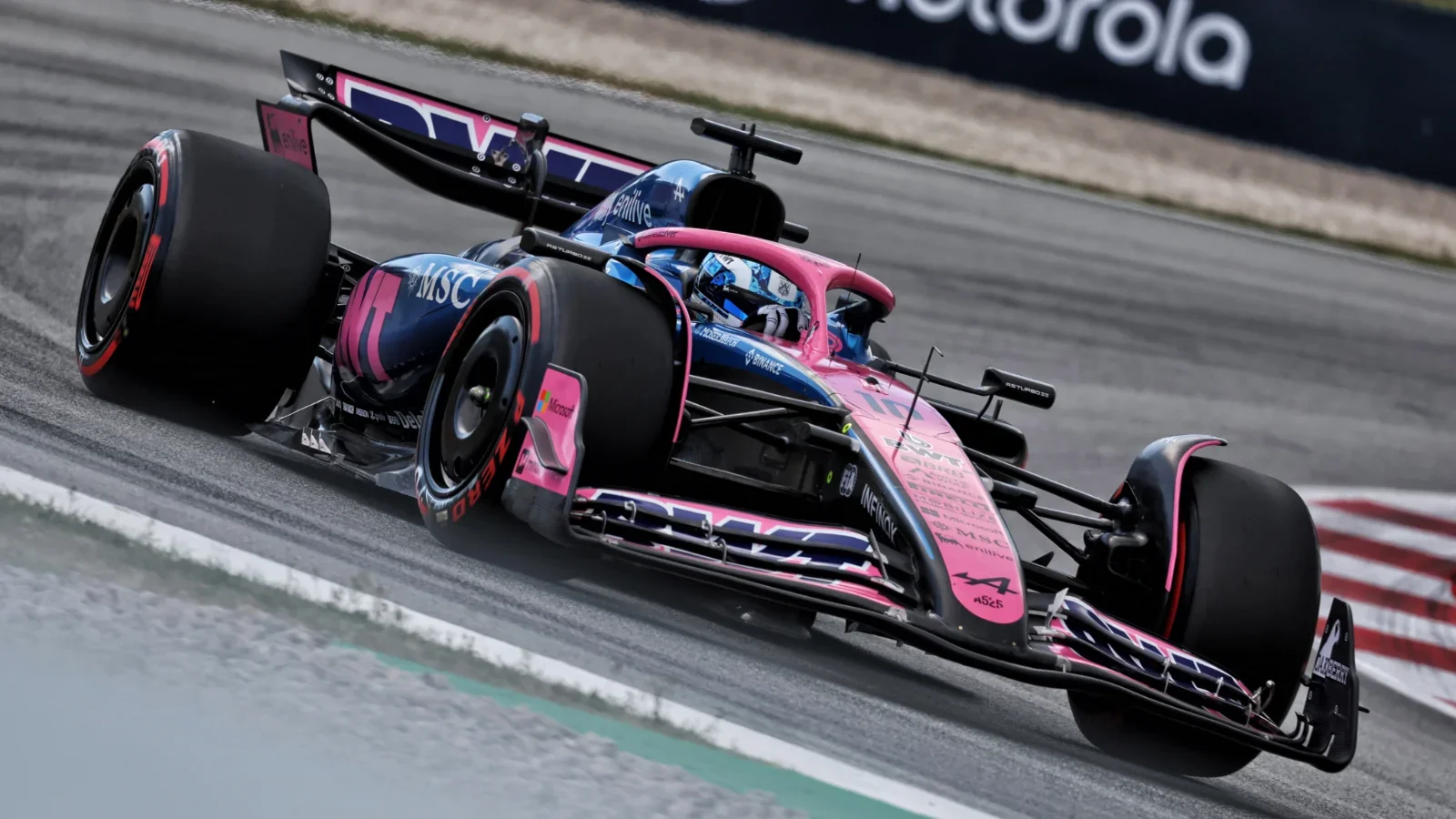
“When you are in Formula 1, you’re dreaming as well to do the job,”
Briatore said.
“In this moment, the team is quite new. The team is not performing like I wanted.”
“I believe we need 2026 to be competitive, to at least sometimes see the podium very close. These are what we’re looking for. And why not 2027? We see what happened to Red Bull.”
“We see McLaren, two years ago, three years ago, was in the bottom of the line. We see Renault was in the bottom of the line two years and after, they won the Championship.”
“We see Benetton was always in ’91, ’92, ’93 in the bottom of the line in qualifying. In ’94, ’95, ’96, we competed. In ’95, ’96, we won the Championship. In this business, fortunes are changing a lot.”
“A few years ago, Red Bull was dominating completely. Now McLaren is dominating completely. Everybody is working hard in this business.”
Gasly Highlights the Challenge of Bridging Gaps Against Leading Teams
Speaking during the Canadian Grand Prix weekend in Montreal, Gasly confirmed he fully shares Briatore’s optimism but tempered expectations, pointing out the current gap between the leading four teams — McLaren, Ferrari, Red Bull, and Mercedes — and the midfield.
Gasly, positioned 14th in the championship standings at the time, stated that closing this performance gap will require time and effort. However, he welcomed the fresh start created by the 2026 regulations, believing it offers midfield teams a much stronger chance to close in on the frontrunners.
“At the moment, you’ve got the top four – McLaren, Ferrari, Red Bull, Mercedes – they are just a step ahead of the midfield,”
Gasly said.
“It will take quite a bit of time to close the gap.”
“Things starting from a brand new page with these regulations, it just gives a much bigger opportunity and much bigger rewards for any team in the midfield.”
Despite this hopeful outlook, Gasly acknowledged the limitations of relying on simulator data given the massive technical changes, stressing that the true competitive order will only become clear once Alpine’s new car is tested in real conditions.
“I think we are in good shape,”
he said.
“I’m happy with the way the guys are working at the factory.”
“Everybody is full of confidence and optimism and motivation to really get the car in a great place very soon, but at the same time, we won’t have the answer until we shake the car down.”
“And really, it’s such a big change. Trying it in the simulator is such a massive change, we won’t know how we compare to the others once we get the car to the first test.”
Impact of Switching to Mercedes Power Units and Chassis Challenges
One major development for Alpine in 2026 is the transition from Renault to Mercedes power units, as Renault exits as an F1 engine supplier. Gasly explained that although securing a Mercedes engine boosts confidence, it does not guarantee Alpine will receive the absolute best power unit variant.
“For sure, this is giving confidence,”
Gasly said.
“At the same time, there is no guarantee that they will get the best engine for next year.”
“Just going from past years – they always seem to be either the best or one of the best.”
Gasly also acknowledged that Alpine’s chassis still requires development. While he described the current chassis as reasonable and good, he emphasized the need for continual improvement to compete effectively with the other top teams.
“In terms of chassis, we know we’ve got work to do. We have a chassis which is reasonable and pretty good. It doesn’t mean we can’t do better.”
Looking Ahead: Alpine’s Path to Competitiveness in a Changing F1 Landscape
As Alpine approaches a critical transitional period, the combination of new technical regulations and a power unit switch offers both risks and opportunities. Gasly’s tempered but hopeful stance reflects an awareness of the challenges ahead, balanced by the possibility of breaking into the sport’s elite ranks within a short timeframe.
The team’s progress over the next twelve months, especially during early 2026 testing, will be crucial in determining whether Alpine’s bold aspirations for 2027 are achievable. With both leadership and driver focused on steady development and realistic expectations, Alpine sets a noteworthy example of cautious ambition in the evolving Formula 1 environment.