
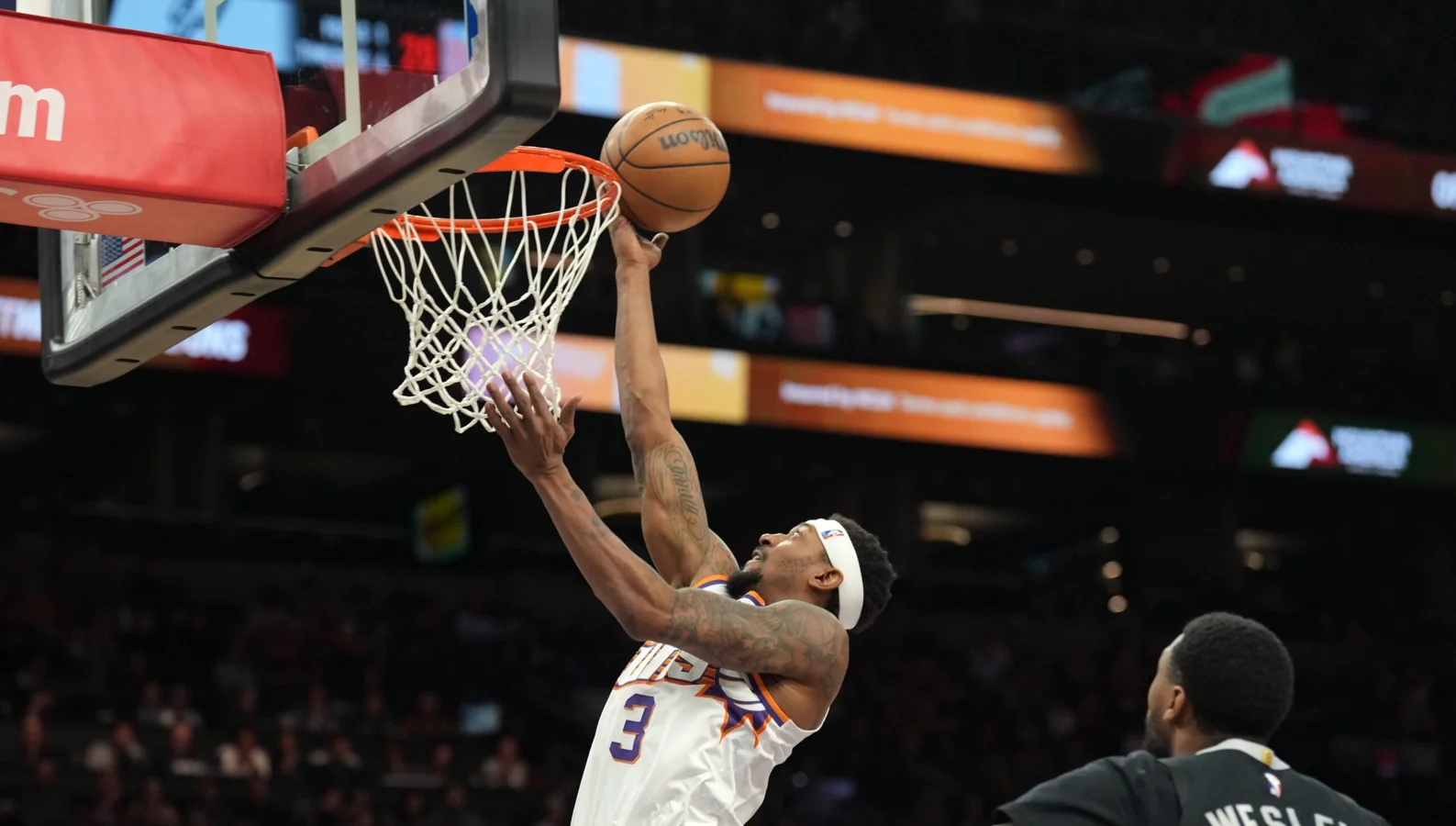

The Phoenix Suns currently face a challenging situation shaped by the strategic decisions of the Washington Wizards concerning Bradley Beal’s contract. Beal, who earned a notable reputation as a leader and elite scorer during his time with the Wizards, signed a five-year, $251 million supermax deal that includes a rare no-trade clause. This particular contractual feature now significantly affects the Suns as they navigate their team’s future.
Bradley Beal’s Role and Impact with the Wizards
Throughout his career with the Wizards, Bradley Beal was more than just a top scorer; he was a central figure both on and off the court, embodying leadership and community engagement. Recognizing his value, Washington offered him a contract that ensured not only financial reward but also personal agency through the no-trade provision, giving him substantial control over where he could be traded.
Ambitions of the Suns and the Reality Check
When the Suns acquired Beal, their intention was clear: to build a championship-contending trio alongside Devin Booker and Kevin Durant. This combination appeared poised to lead Phoenix deep into the playoffs. However, the team’s performance failed to meet expectations, as they did not advance to the postseason, forcing management to reconsider their roster and strategy moving forward.
The Complexities of the No-Trade Clause
Beal’s no-trade clause highlights the increasing power players hold in the NBA today. While the Suns may wish to trade Beal to explore other team-building possibilities, this contractual protection requires his approval for any trade to proceed, therefore complicating negotiations and limiting the organization’s flexibility.
Washington’s Lasting Influence on Phoenix’s Dilemma
The Suns’ current difficulty can be traced back to the Wizards’ decision to grant Beal the no-trade clause, an acknowledgment of the player’s importance at the time. Though initially a sign of respect, this clause has become problematic for the Suns as they attempt to reshape their lineup amid disappointing results.
Looking Ahead: What This Means for the Suns and the League
As Phoenix works through this obstacle, the broader NBA landscape continues to shift toward greater player influence in career decisions. Beal’s situation exemplifies this trend, underscoring how star athletes now wield considerable power over team dynamics and future plans. For the Suns, the coming months will be critical in determining how they adjust their approach, balancing their aspirations with the realities imposed by player contracts.
“He was a beacon of hope and leadership.”
—Washington Wizards representative