
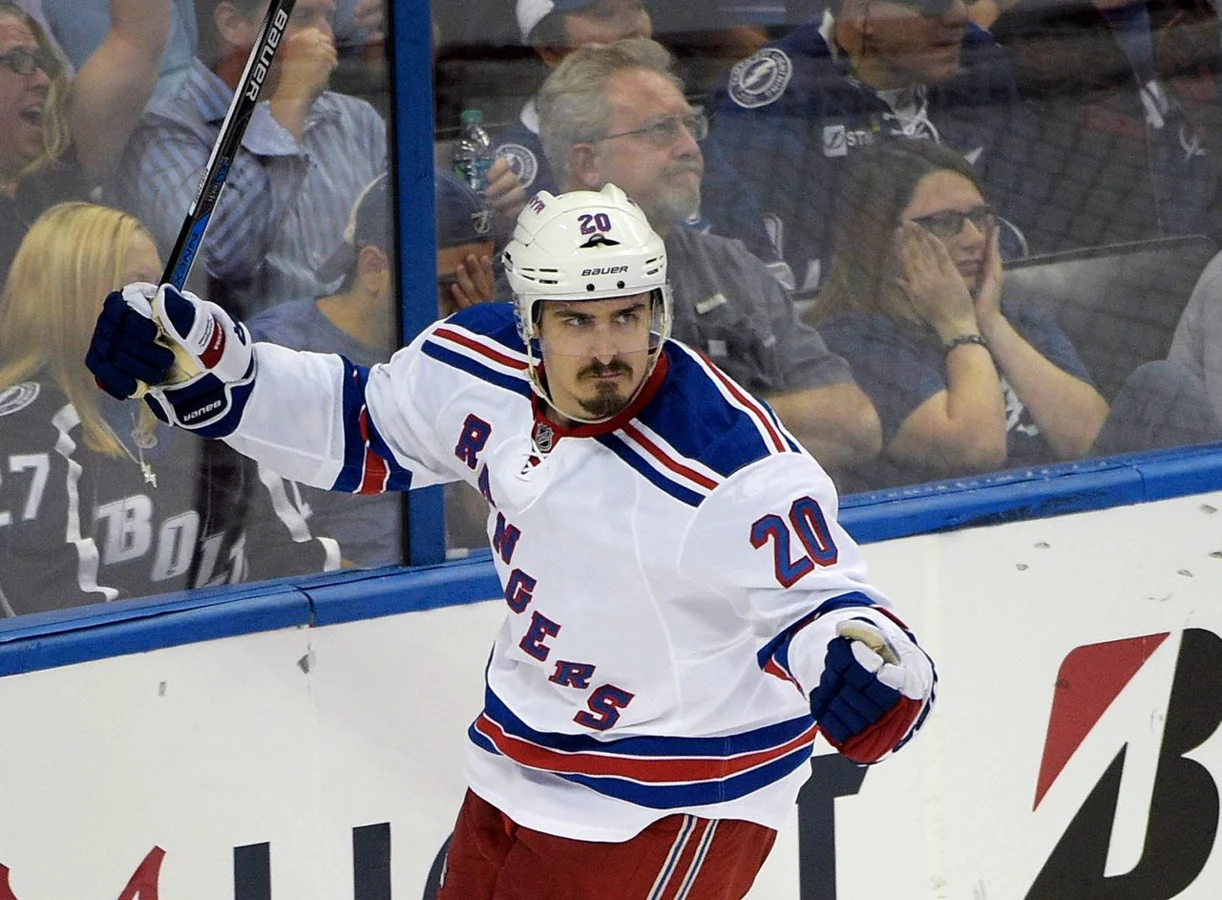

On June 12, a significant trade occurred between the New York Rangers and Anaheim Ducks involving Chris Kreider and draft picks. Kreider, along with a 2025 fourth-round draft pick, was sent to the Ducks in exchange for prospect Carey Terrance and a 2025 third-round pick. This transaction marks the second deal between the two teams this season and holds considerable implications for both franchises as they assess their future strategies.
Why the Anaheim Ducks Earn a B+ for Acquiring Kreider
Chris Kreider is a veteran winger, now 34 years old, originally drafted 19th overall by the Rangers in 2009. Over his career, he has become a Rangers icon alongside legends like Henrik Lundqvist. Standing 6-foot-3 and weighing 230 pounds, Kreider played 883 regular-season games for New York, scoring 326 goals and adding 256 assists, accumulating 582 points overall. His tenacity extends into the playoffs, where he has delivered 48 goals and 28 assists in 123 Stanley Cup Playoff games.
Despite Kreider’s impressive career, his recent performance lowered his stock. Last season, he managed just 22 goals and 8 assists for 30 points in 68 games, a steep drop from prior years and well below the $6.5 million cap hit he commands. This decline includes impacts from injuries that affected his output.
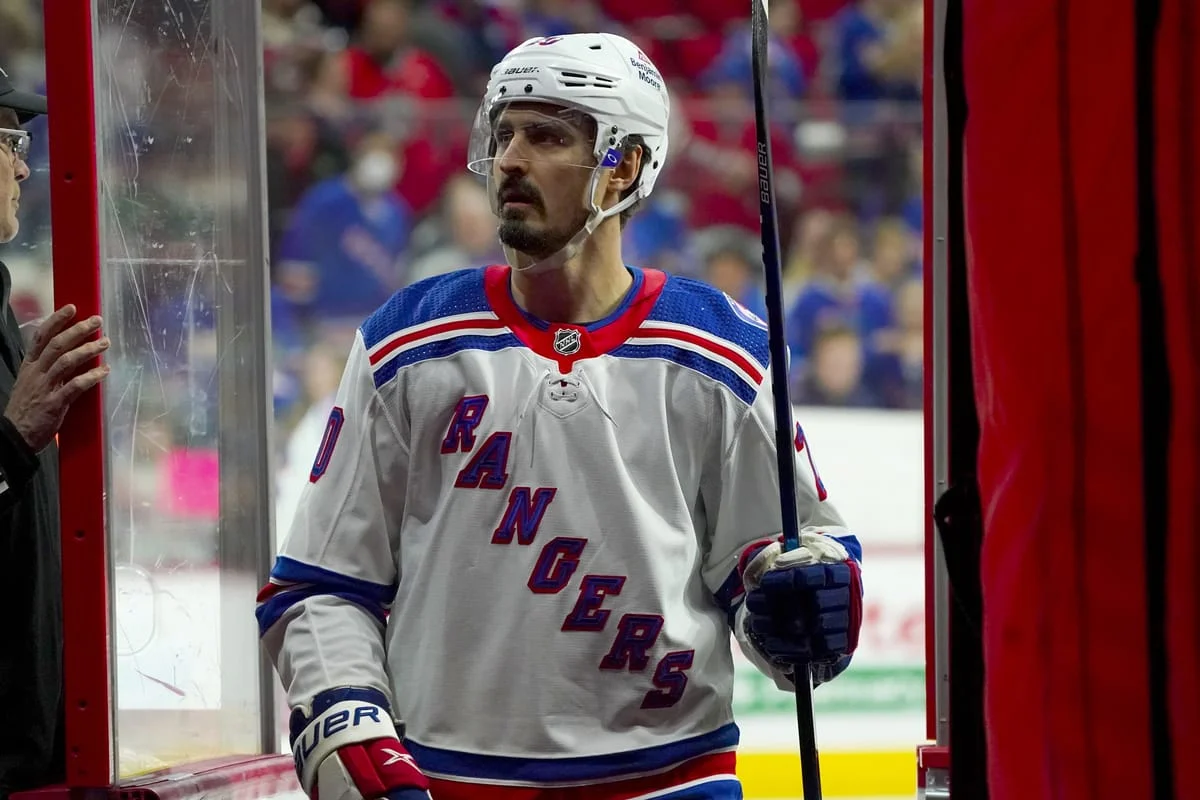
The Ducks’ acquisition signals a strategic gamble, aiming to rejuvenate Kreider’s game by leveraging his veteran experience to support their young core. Anaheim boasts promising talents such as Mason McTavish, Leo Carlsson, Cutter Gauthier, Olen Zellweger, and Pavel Mintyukov—players expected to blossom into high-caliber NHL stars. Kreider’s role is envisioned as a leader on the second or third offensive lines, where he could return closer to a 25-goal and 45-point pace, offering stability and mentorship.
At $6.5 million per season for two years, Anaheim will require Kreider to contribute more than he did recently, or this deal would quickly sour. Their scouting department’s solid track record in drafting increases optimism that the added 2025 fourth-round pick will further strengthen an already promising prospect pipeline. Overall, Anaheim’s move earns a B+ grade with the expectation that Kreider rekindles some of his earlier career form while providing valuable guidance to a youthful roster.
How the New York Rangers Secure an A for Return in the Trade
The Rangers achieved a major win in this trade, particularly because they did not have to retain any portion of Kreider’s $6.5 million salary cap hit, leaving the Ducks responsible for the full amount. This maneuver grants New York increased financial flexibility to reshape their team.
In return, the Rangers acquired Carey Terrance, a promising prospect selected 59th overall by Anaheim in the 2023 draft. Terrance’s Ontario Hockey League (OHL) tenure with the Erie Otters has seen ups and downs, but he exhibits traits reminiscent of Kreider—both are goal-focused skaters rather than playmakers, and both possess a similar physical build. Last season, Terrance scored 20 goals and 19 assists in 45 OHL games, a slight regression from his previous 29-goal, 52-point performance over 56 games. Standing 6-foot-1 and weighing 186 pounds, Terrance is expected to further develop while playing in the American Hockey League (AHL) next season with the Hartford Wolf Pack, where he could grow into a reliable NHL center.
Alongside Terrance, the Rangers improved their draft position by receiving a 2025 third-round pick, swapping for the Ducks’ fourth-rounder. This presents multiple strategic options for New York’s front office; they might leverage this pick together with their second-rounder to move up in the draft or use it to select solid young talent, fueling a rebuild aimed at preserving their competitive window for star players.
The Rangers’ ability to extract value without retaining salary and their foresight in acquiring a promising prospect make this a strong move by general manager Chris Drury, who prioritized team-building over sentimentality linked to Kreider’s tenure. This trade reflects a clear focus on sustainable success, earning New York an A rating for the deal.
The Broader Implications for Both Teams Moving Forward
This trade illustrates two contrasting but complementary approaches: Anaheim’s commitment to accelerating its rebuild by integrating a seasoned player expected to mentor young stars, and New York’s strategic refresh designed to align talent development with cap considerations. For the Ducks, Kreider’s performance over the next two seasons will determine the success of their investment, as they aim to balance youth and experience on the ice.
For the Rangers, acquiring Carey Terrance and improving draft positioning exemplify prudent management as they prepare for future challenges. Their willingness to part with a franchise favorite underscores the pressures of maintaining competitiveness in a demanding market.
Overall, the Chris Kreider trade between Rangers and Ducks signals a pivotal shift. Anaheim invests in veteran leadership hoping for a rebound in Kreider’s production, while New York prioritizes youth development and financial flexibility. The coming seasons will reveal which strategy yields the strongest dividends for each team.