
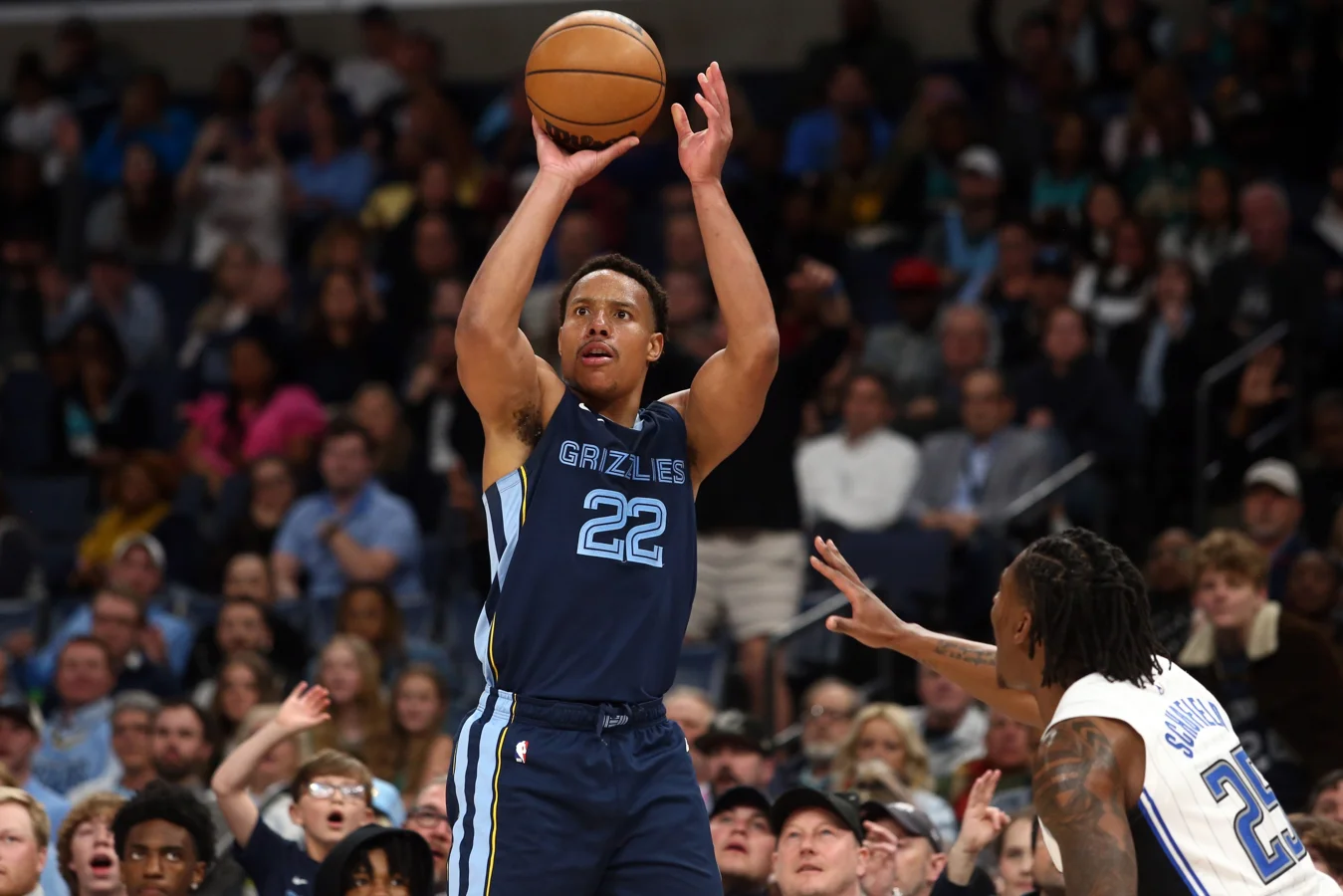

The Memphis Grizzlies and Orlando Magic completed a major trade this summer, sending Desmond Bane to Orlando in exchange for multiple players and draft picks. This high-stakes move, occurring amid the 2025 NBA Finals, aims to elevate the Magic’s standing in the Eastern Conference, while the Grizzlies look to rebuild for the future. The trade’s details highlight a dramatic shift for both franchises as they aim to address key roster needs.
Details Behind the Trade Agreement
Orlando acquired Desmond Bane from Memphis, sending Kentavious Caldwell-Pope, Cole Anthony, four first-round picks, and a pick swap in return, as reported by ESPN insider Shams Charania. The Grizzlies received the 16th overall pick in the 2025 NBA Draft, Phoenix’s first-round pick in 2026, unprotected first-round picks from Orlando in 2028 and 2030, plus a lightly protected first-round pick swap in 2029. This transaction represents a significant exchange of talent and future assets between the two franchises.
Why Desmond Bane Is a Critical Addition for Orlando
Although Desmond Bane has never been named an NBA All-Star, his recent performances have approached that elite level. He is among the league’s most accurate three-point shooters, boasting a 41 percent career average on 6.4 attempts per game. Additionally, Bane is recognized for his tenacious defense, capable of locking down primary ball handlers and smaller wing players. At nearly 27 years old, Bane combines prime athletic years with proven skills that align well with Orlando’s pressing needs.
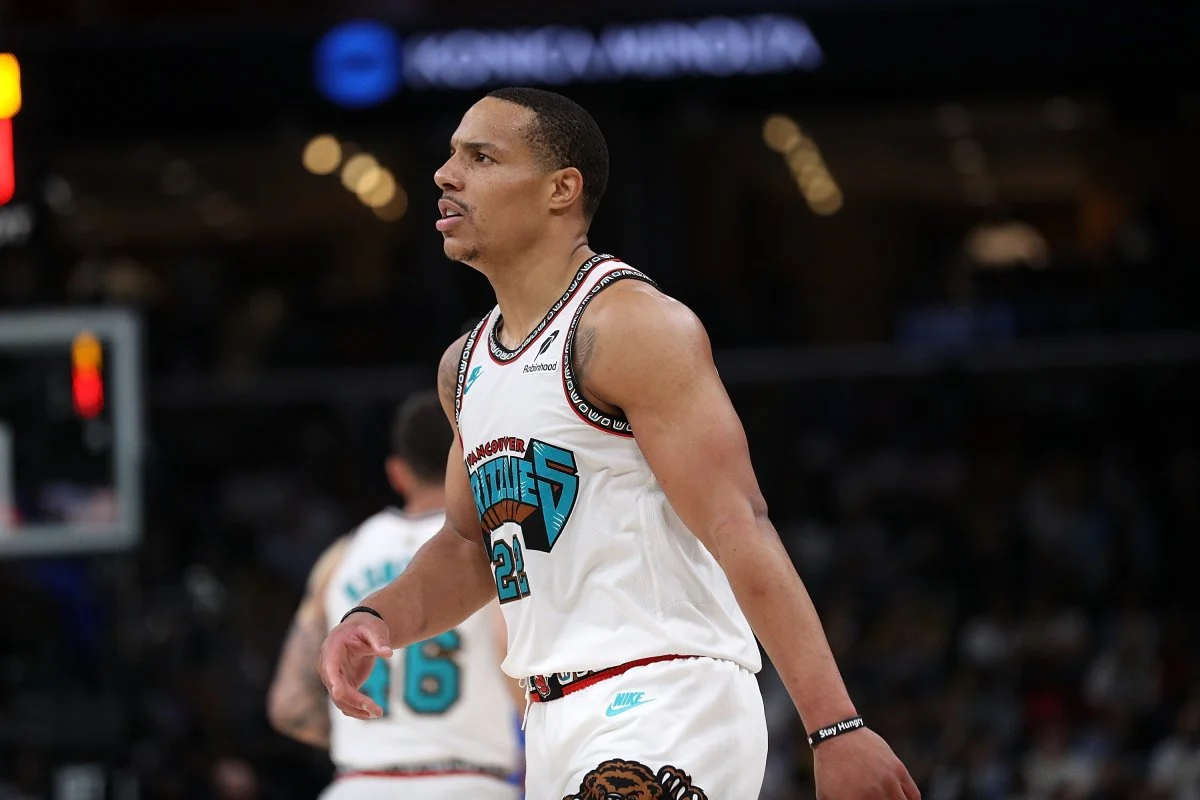
Analyzing the Magic’s Side of the Deal
Orlando’s offense was among the worst in the NBA last season, shooting just 31.8 percent from three-point range—the worst mark in league history relative to peers. This lack of shooting efficiency dragged their offensive rating down to 108.9, ranking 27th overall, and dipped further during their playoff exit against Boston, with an offensive rating of 103.8.
Despite this, the Magic finished the regular season 41-41 and clinched the No. 7 seed in the Eastern Conference thanks to elite defense, ranked second in the league. Their offseason challenge was to bolster shooting and spacing without damaging their defensive strength. Acquiring Bane ticks both boxes, offering a shooter who excels beyond the arc and a defender who contributes to preserving the team’s defensive identity.
Bane fulfills Orlando’s need for a dependable shooter, a secondary ball-handler, and a defender who can assist in pressuring opponents full-court. The Magic’s top players—Paolo Banchero, Franz Wagner, and Jalen Suggs—suffered significant injuries last season, impacting the team’s continuity. Wagner showed All-NBA potential before his injury, Banchero displayed his scoring ability despite efficiency struggles, and Suggs was thriving defensively and offensively until his knee surgery ended his season prematurely.
The Magic see Wagner and Banchero as future All-NBA talents, with Suggs emerging as one of the league’s premier defensive guards who is beginning to grow offensively. Adding Bane addresses the glaring shooting deficiency while providing another guard capable of managing pressure and running secondary plays.
However, Orlando paid a steep price: Phoenix’s 2026 first-round pick is a valuable asset, and their own unprotected picks in 2028 and 2030 present serious future risks if this new core fails to gel. Bane’s contract will be a major salary commitment, making Orlando’s core roster expensive moving forward. Wagner and Banchero will command max deals after 2025-26, Suggs is earning $30 million annually, and Bane’s deal runs between $36 million and $45 million annually until 2029. This raises concerns about future roster depth despite potential strength in the immediate future.
Given injuries to star players like Jayson Tatum (torn Achilles) and Damian Lillard (also torn Achilles), the Eastern Conference looks weaker next season. Orlando’s bold gamble aims to seize this opportunity to challenge established teams like the Cavaliers, Knicks, and Pacers. Their improved roster could finally achieve a breakthrough in one of the weaker leagues in recent memory.
Magic grade: B+
Evaluating the Grizzlies’ Approach and Returns
The Grizzlies experienced a rollercoaster season. Once holding the No. 2 seed in the Western Conference, Memphis faltered after the All-Star break, firing head coach Taylor Jenkins and ultimately getting swept in the first round by the Oklahoma City Thunder. This disappointing finish signaled a turning point.
Memphis replaced Jenkins with former assistant Tuomas Iisalo, signaling a fresh start. Despite their struggles, they finished with 48 wins—the No. 8 seed—while the Houston Rockets grabbed the No. 2 seed with just 52 wins. The Thunder’s strong playoff performance underscored Memphis’s gap from true contention, which partly motivated the decision to trade Bane, one of their best players in his prime.
This trade yields a substantial haul for Memphis, offering an opportunity to reset. Known for strong draft acumen, they acquired three high-upside picks plus the 16th overall pick in 2025. The Phoenix pick in 2026 holds added intrigue due to the Suns potentially trading Kevin Durant, which could diminish their future value and enhance Memphis’s return. Kentavious Caldwell-Pope and Cole Anthony provide immediate roster support, either as contributors or trade assets.
Speculation continues about whether Memphis will move other stars such as Ja Morant or Jaren Jackson Jr., though GM Zach Kleiman has indicated Morant is not for trade. Regardless, the Grizzlies remain competitive next season, with Caldwell-Pope and Anthony filling gaps left by Bane and the draft capital providing critical future flexibility and asset building.
Ultimately, Memphis recognized that their current core had reached a plateau and acted promptly to avoid prolonged stagnation. The infusion of draft picks and roster pieces aims to build a more sustainable, competitive foundation for the coming years.
Grizzlies grade: A-
The Stakes Ahead for Both Franchises
Orlando’s willingness to sacrifice significant future draft capital and roster flexibility to acquire Desmond Bane underscores their determination to leverage a temporarily weakened Eastern Conference. By dramatically reshaping their core, they hope to transition from playoff participants to genuine contenders. However, the financial and asset risks they assume could hinder long-term depth and roster flexibility if results fall short.
For Memphis, this trade represents a strategic recalibration. By capitalizing on Bane’s trade value, the Grizzlies gain a strong collection of future picks and immediate roster support to rebuild. Their draft expertise will be key to turning these assets into a new contender core, aiming to avoid the stagnation that troubled the previous group.
This blockbuster trade sets intriguing narratives for the 2025-26 NBA season and beyond, as both franchises pursue very different paths—Orlando making a bold push for the East’s upper echelon, and Memphis investing in a more flexible, long-term rebuild. The league will be watching closely to see which strategy yields greater success in the years to come.