
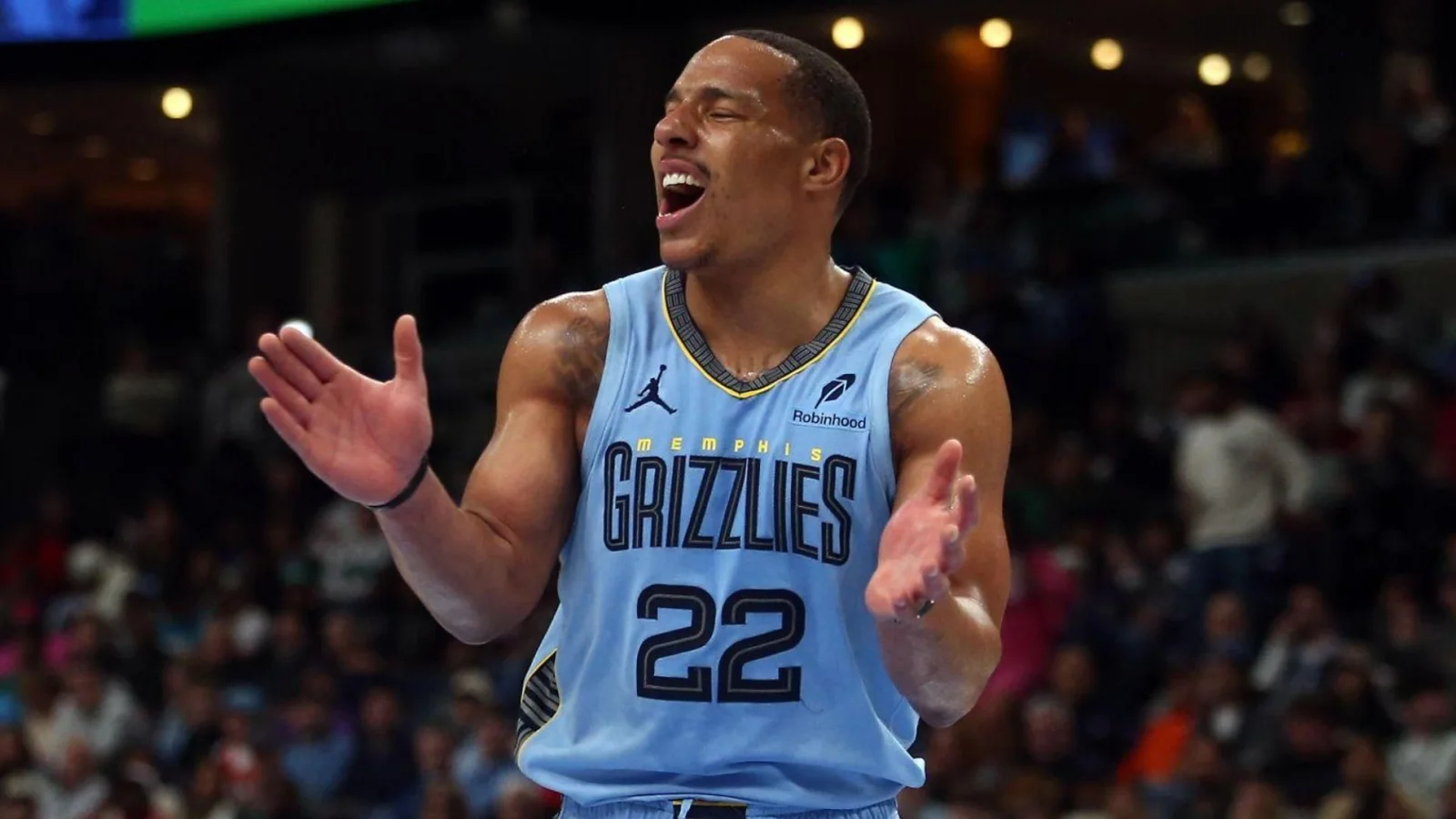

On June 30, 2025, the Orlando Magic completed a surprising trade to acquire Memphis Grizzlies guard Desmond Bane, narrowly avoiding a salary cap violation. The urgency to finalize the deal before the NBA’s league year ended on June 30 at 11:59 AM ET was key, as the transaction had to adhere to the salary cap rules based on the 2024-25 salary figures. This trade, deeply influenced by the Magic’s salary cap space constraints, highlights the complex financial maneuvering behind NBA transactions.
The Magic’s situation revolved around the salary cap’s “first apron,” a threshold teams cannot exceed. By executing the trade before July 1, Orlando ensured the payroll matched the 2024-25 figures, keeping the deal legal. Once the league year rolled over to July 1 and the 2025-26 salaries took effect, the trade would have surpassed this apron, rendering it illegal.
Salary Caps and Extensions: A Risky Balance with Franz Wagner and Jalen Suggs
Orlando’s salary cap challenge stems primarily from extensions signed by key players Franz Wagner and Jalen Suggs. Wagner committed to a five-year extension totaling $224,238,150, locking him in until 2029, while Suggs signed a five-year deal worth $150,500,000. Together, these contracts result in a combined $374.5 million owed starting from the 2025-26 season. Both contracts increased Orlando’s future payroll load significantly.
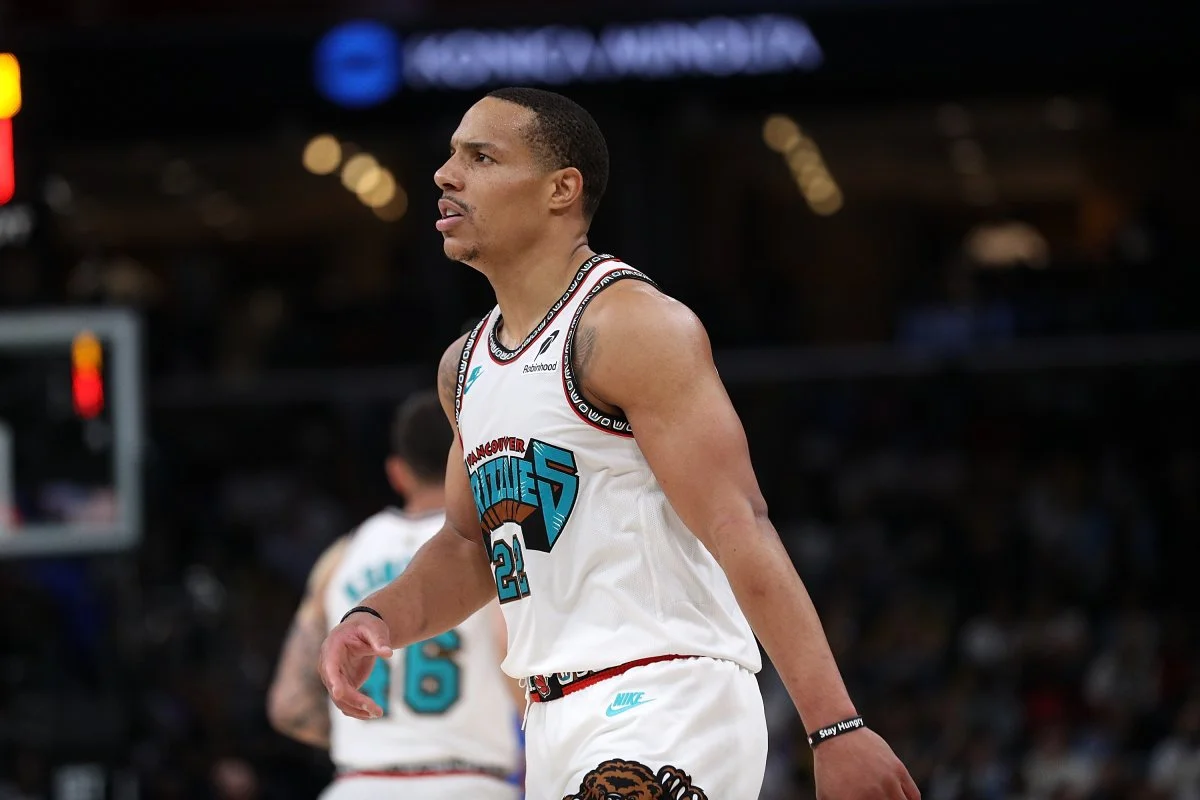
Desmond Bane, prior to the trade, had his own five-year, $197,230,450 extension signed in 2024, impacting the Magic’s salary cap for the current season. This timing difference created a delicate situation where the Magic had to navigate the trade with careful attention to contractual payrolls from both the current and upcoming league years.
Keith Smith from Spotrac explained this tight window:
“If my math is correct, the Magic-Grizzlies trade will have to go official before the league year changes over. Salary-matching works fine using 2024-25 salaries. Orlando would take in slightly more salary using 2025-26 salaries and they would finish the deal over the first apron, which would make the deal illegal,”
—Keith Smith, Spotrac
Memphis Grizzlies’ Stable Cap and Future Prospects
Unlike Orlando, Memphis had the advantage of operating well below the first apron, which gave them financial flexibility. Accompanying the trade with additional draft picks strengthened their position for the coming years, especially with the potential long-term retention of star Ja Morant. The Grizzlies’ ability to stay well within cap limits allows them to build around their core without similar urgency to make abrupt payroll decisions.
The Impact and Strategy Behind the Trade
The Magic’s decision to acquire Desmond Bane just before the deadline was a gamble driven by the tight salary cap situation. By finalizing the trade within the 15-day window before the original league year ended, Orlando preserved their ability to stay under the cap while adding a valuable player to their roster.
The trade also solidified Orlando’s existing core, including Paolo Banchero, who continues to garner significant recognition. The presence of Wagner and Suggs alongside Banchero creates a strong supporting cast, elevating the team’s competitiveness. However, the financial weight of multiple high-value extensions restricts the Magic’s flexibility, making the timing of this trade crucial to avoiding violations of league salary rules.
Reflecting on the Trade: Skill or Serendipity?
The completion of the Desmond Bane trade under such precarious salary cap conditions raises questions about whether this was a fortunate break or a display of strategic ingenuity by Orlando’s front office. The mere 15 days allowed by the NBA calendar year’s rollover provided the Magic just enough time to navigate the complex financial environment, preserving the legality of the transaction.
This move could propel the Magic toward NBA contention, maintaining continuity with their talented players while bringing in a proven scorer and defender like Bane. With contracts extending through the next several seasons for their key players, Orlando appears committed to building a sustainable competitive roster despite the financial risks.
What the Future Holds for Orlando Magic and Desmond Bane
Looking ahead, the Magic’s salary cap structure will continue demanding careful management to avoid penalties or forced roster adjustments. Retaining core players like Wagner, Suggs, and Banchero while integrating Bane effectively will test Orlando’s ability to maintain cohesion and performance.
The trade also signals Orlando’s intent to challenge in a competitive Eastern Conference, where managing large contracts will be as crucial as on-court performance. Meanwhile, the Memphis Grizzlies aim to leverage their cap flexibility and draft assets to secure long-term success, particularly around Ja Morant’s potential extension.
In sum, the Desmond Bane trade serves as a vivid example of how salary cap considerations shape NBA front office decisions, especially when massive contract extensions inflate payroll commitments. The Magic’s tightrope walk in finalizing this deal before the league year rollover highlights the high-stakes financial strategy behind building a modern NBA contender.