
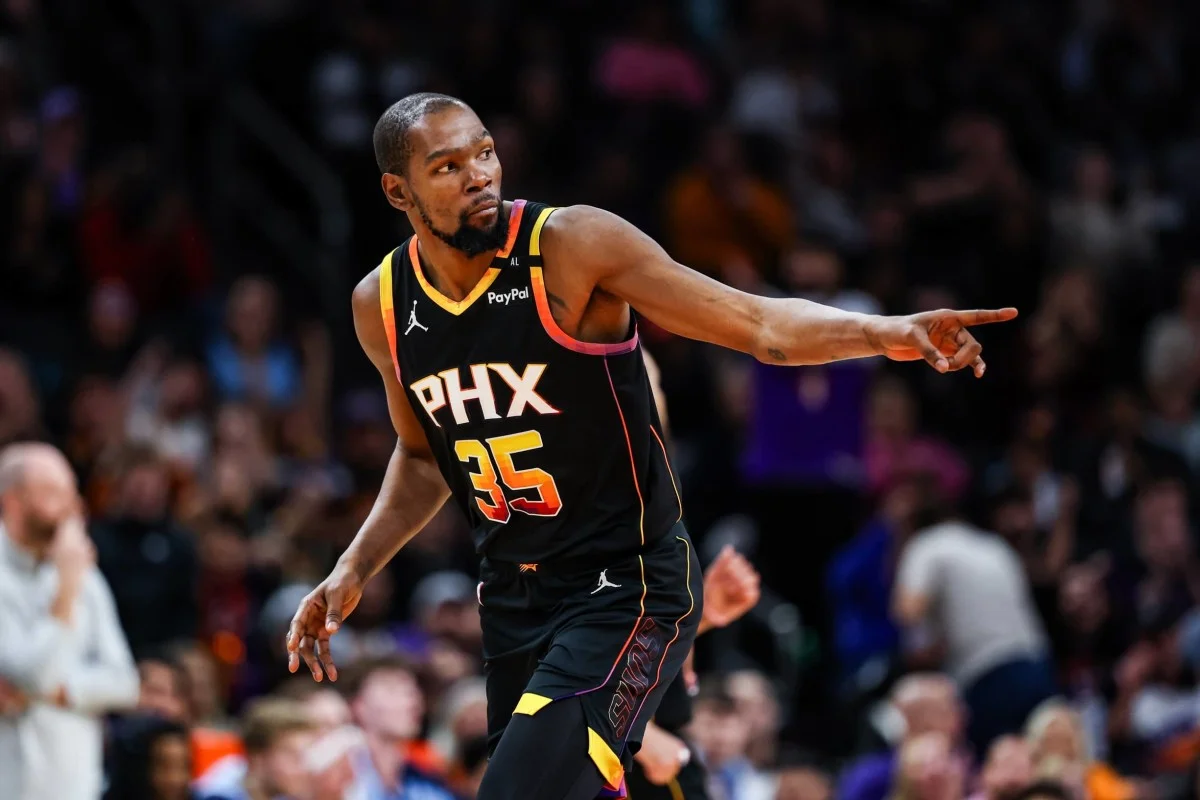

Kevin Durant may be on the move within days, with his preferred trade destinations reportedly including the San Antonio Spurs, Houston Rockets, and Miami Heat, according to multiple NBA insiders. This looming transaction, involving a three-team deal with the Phoenix Suns and Charlotte Hornets, could reshape several franchises ahead of the NBA trade deadline.
Insiders from ESPN and The Athletic confirm Durant’s preference for these teams, highlighting the complex negotiations that could bring the 12-time All-Star to one of these organizations. The Spurs, in particular, have expressed mutual interest in Durant, envisioning how his presence alongside Victor Wembanyama and De’Aaron Fox could accelerate their championship aspirations.
Details of the Proposed Three-Team Trade
The structure of the deal centers on Phoenix, Charlotte, and San Antonio exchanging players and picks to satisfy their respective goals. Charlotte would receive the No. 2 overall pick in the draft, along with future second-round picks, while Phoenix would gain a mix of young players, multiple first-round picks, and salary relief. The Spurs would acquire Kevin Durant and the No. 4 pick, aiming to bolster their roster around their rising stars.
Here is a breakdown of the trade components:
Charlotte Hornets Receive:
- No. 2 overall draft pick
- 2026 second-round pick (lowest from Dallas, Oklahoma City, or Philadelphia, via San Antonio)
- 2028 second-round pick from Minnesota (via San Antonio)
Phoenix Suns Receive:
- Harrison Barnes
- Keldon Johnson
- Jeremy Sochan
- Mark Williams
- No. 14 overall draft pick
- San Antonio’s 2026 first-round pick
- 2027 first-round pick (second-best among Charlotte, Dallas, or Miami, via Charlotte)
San Antonio Spurs Receive:
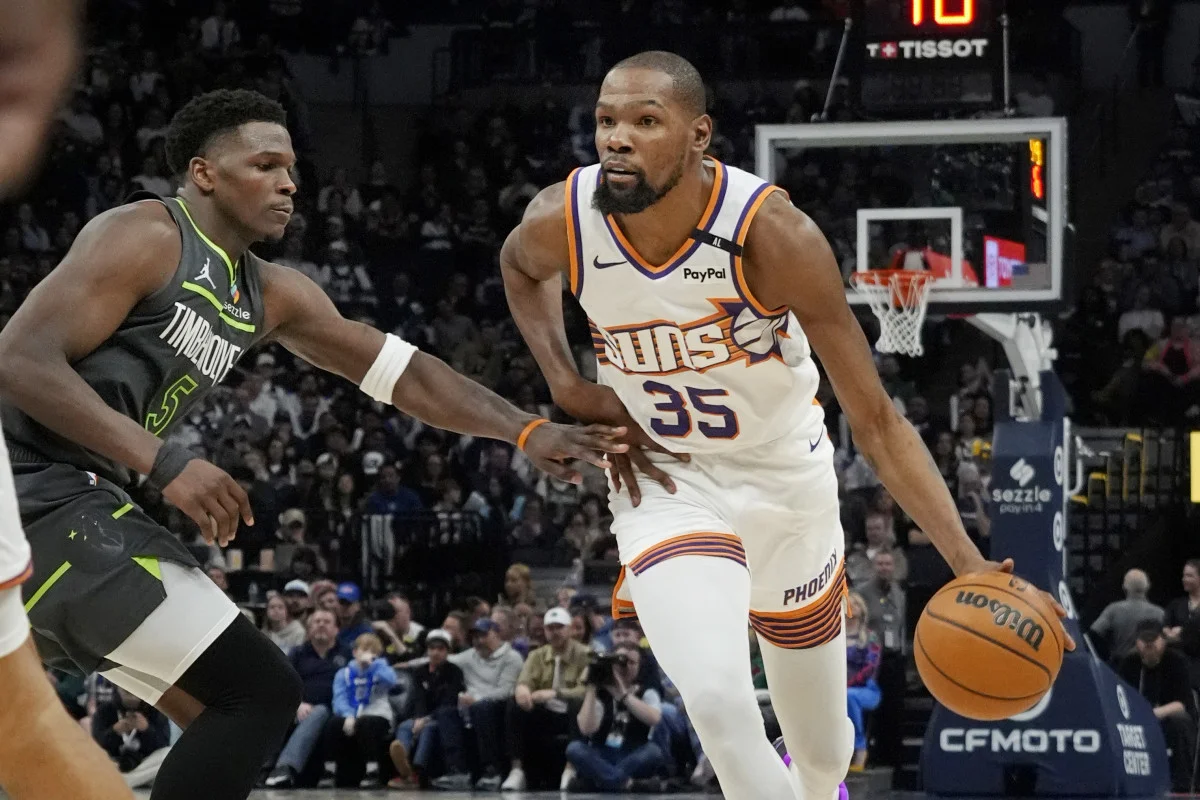
- Kevin Durant
- No. 4 overall draft pick
Evaluating Charlotte’s Role in the Trade
The Hornets’ part poses the biggest questions. For Charlotte, moving up two draft spots to second overall, along with giving up a first-round pick and promising center Mark Williams, hinges on their commitment to Rutgers prospect Dylan Harper. Harper’s playmaking skills could complement LaMelo Ball well, despite speculation that this move signals a shift away from LaMelo. However, Harper, Ball, and Brandon Miller could form an intriguing perimeter trio for the future.
While the Hornets must relinquish important assets, including a high draft pick and a potential center of the future, this trade reflects the team‘s gamble that Harper’s talent justifies the losses. The frontcourt depth may be thinner after giving up Williams, but Charlotte’s history with the center has been mixed, leaving uncertainty about his long-term fit.
Why Phoenix Would Agree to Trade Durant
The Suns appear focused on securing valuable draft capital and roster flexibility in exchange for Durant. They received him previously by trading Mikal Bridges, Cam Johnson, and multiple first-round picks, so the bar remains high for what the Suns accept in return. With Durant nearing 37 and entering the final contract year, Phoenix aims to maximize their return while maintaining competitiveness around core player Devin Booker.
The return package includes young frontcourt players Jeremy Sochan and Mark Williams, both capable of contributing but limited by contract situations and positional fit. Harrison Barnes and Keldon Johnson address short-term roster needs and salary-matching requirements but come with expiring contracts, offering Phoenix flexibility and payroll relief.
The addition of multiple first-round picks across upcoming drafts also addresses Phoenix’s lack of control over their own first-round selections until 2032, making these assets highly valuable for building their future.
Other options reportedly remain on the table, such as targeting Devin Vassell from San Antonio, but any move to bring in Vassell alongside Barnes or Johnson could create positional overlap unless further roster adjustments occur involving players like Bradley Beal or Grayson Allen, who both have trade restrictions or no-trade clauses.
San Antonio Spurs’ Motives and Considerations
The Spurs seek to add an established star to accelerate their rebuild without sacrificing their long-term viability. Acquiring Durant offers them a dynamic scorer and playmaker who fits well alongside top talents Victor Wembanyama and De’Aaron Fox, enhancing their offensive options significantly.
The Spurs part with young players Harrison Barnes, Keldon Johnson, Jeremy Sochan, and several valuable draft picks, including the No. 2 pick, to secure Durant and the No. 4 pick. This package balances immediate talent acquisition with preservation of future assets.
One consideration for San Antonio is retaining key wing player Devin Vassell, whose offensive skills complement the potential Durant-Wembanyama-Fox trio. His contract and fit remain important as the Spurs shape their roster strategy.
Financially, Durant’s impending 37th birthday and contract status present challenges. He is eligible for a two-year, $122 million extension immediately after being traded, testing San Antonio’s luxury tax capacity. However, their current cap situation allows flexibility until 2027-28, when Wembanyama’s contract will increase expenses. The front office appears prepared to manage these complexities.
Potential Impact and Future Outlook
If this trade comes to fruition, it would dramatically shift the landscape of the NBA’s competitive balance. The Spurs would leap into contention sooner with Durant alongside their young core, while the Suns would enter a phase of retooling with significant draft assets and roster flexibility. The Hornets could redefine their future around a promising draft pick and emerging talent, depending on how well Dylan Harper fits their system.
Durant’s preferred landing spots reflect his interest in joining teams with promising timelines or rebuilding trajectories, with Houston also reportedly being a consideration. The mix of established stars like Durant, rising prospects like Wembanyama, and strategic asset management demonstrates how intricate NBA trades can become ahead of major deadlines.
As negotiations continue, all eyes remain on how these franchises balance short-term ambitions with long-term planning, while ensuring they make the most of the assets exchanged and the contracts taken on. The looming trade deadline will reveal how these complex motivations unfold and what shifts they might trigger in the league’s power dynamics.