
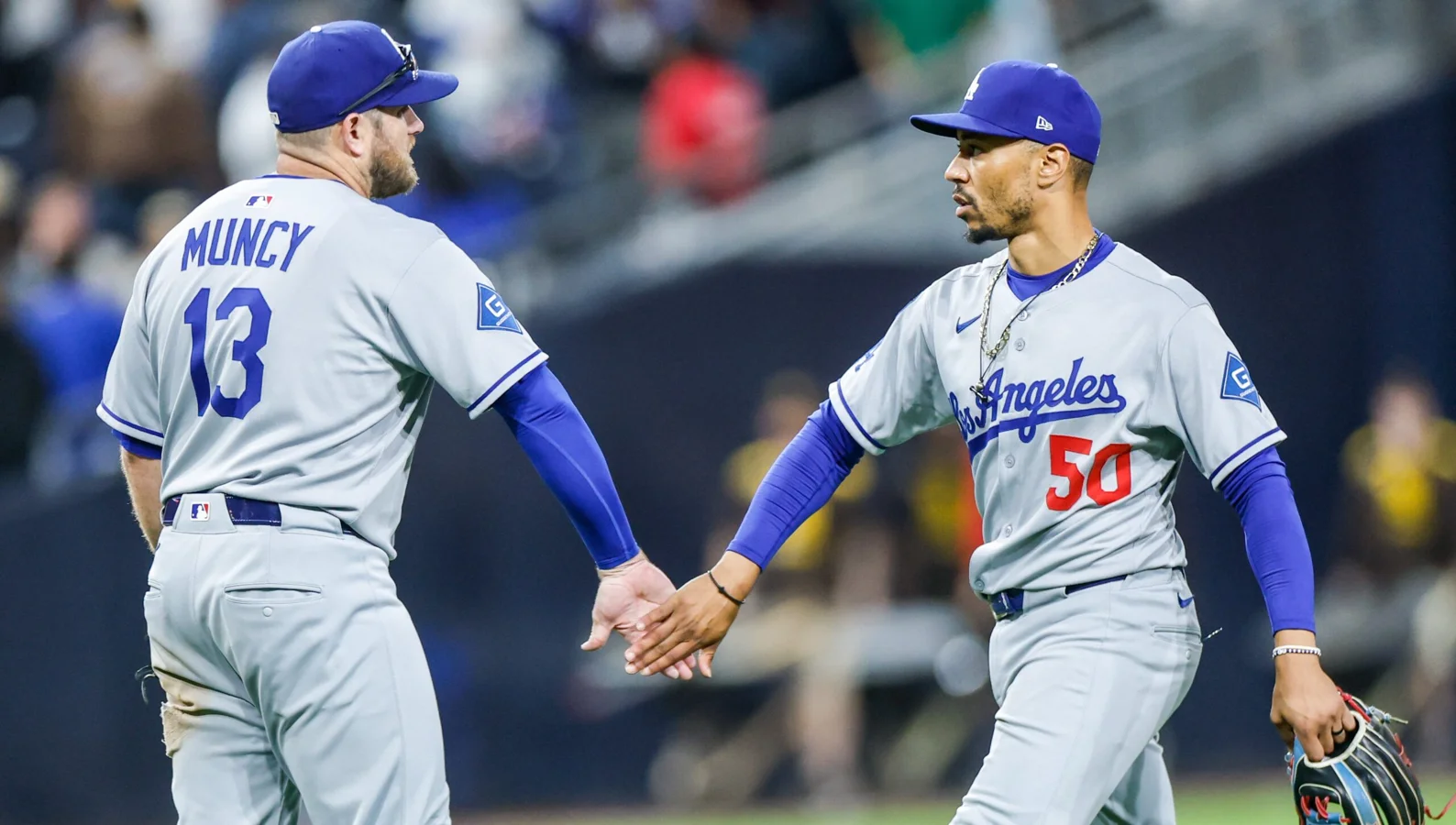

The Mookie Betts trade from Red Sox to Dodgers shocked many fans due to its scale and impact, but it is far from the most surprising transaction in baseball history. Similar to a high-profile shift like Luka Doncic’s in basketball, the Boston Red Sox recently parted ways with their star hitter Rafael Devers, trading him to the San Francisco Giants. The Giants, in return, sent several promising players including Jordan Hicks, Kyle Harrison Jose Bello, and prospect James Tibbs III to Boston while taking responsibility for the enormous $250 million remaining on Devers’ contract. This move highlights the continuing trend of dramatic personnel changes within Major League Baseball.
Below, we examine several other trades in MLB history that created waves much larger than the Betts deal.
Mookie Betts’ Departure from Boston to Los Angeles
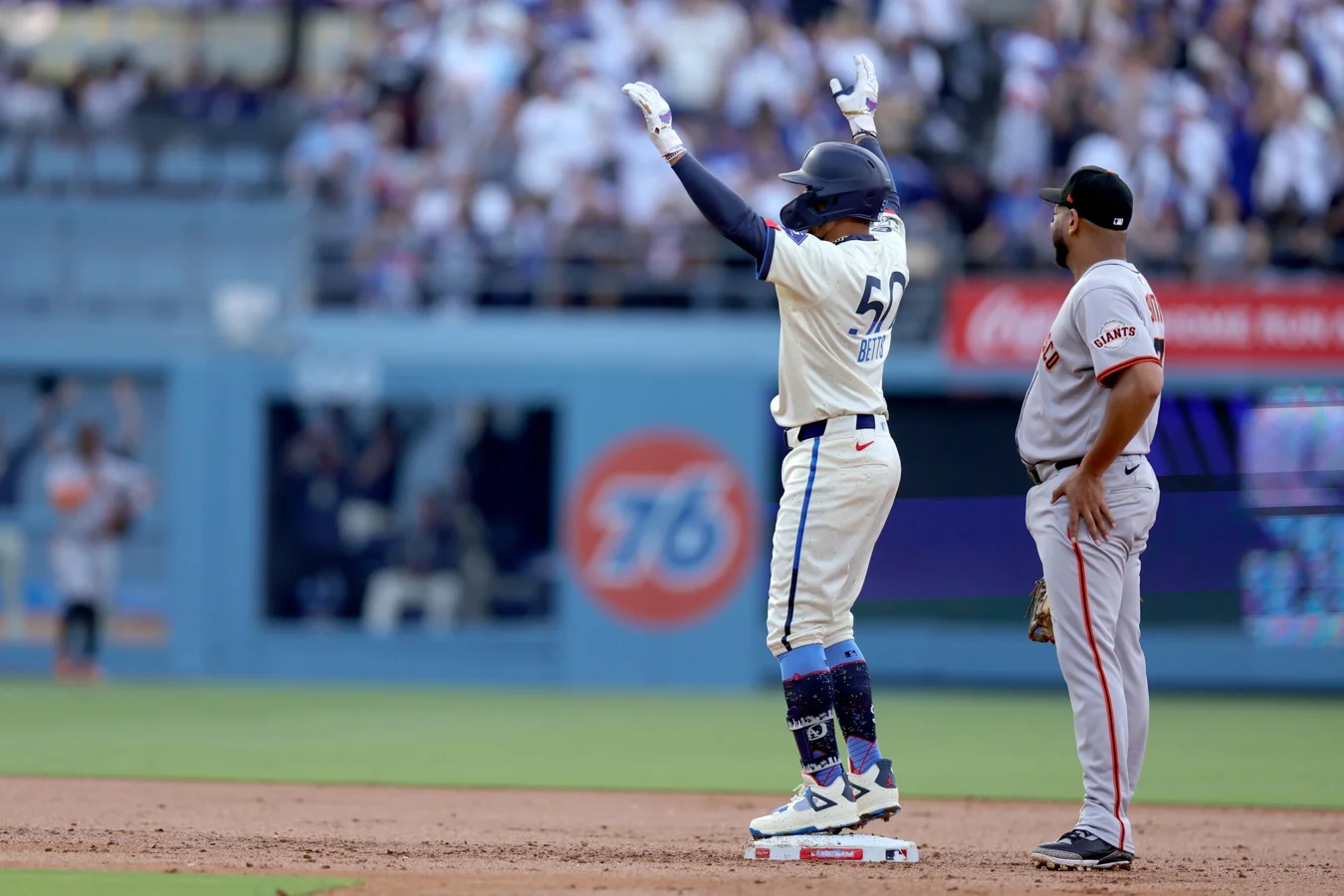
In a pivotal moment for the Boston Red Sox, 2018 American League MVP and World Series champion Mookie Betts was traded to the Los Angeles Dodgers amid looming free agency. Despite Betts having recently signed an arbitration deal worth $27 million before the 2020 season, Boston chose not to retain the player they had developed from within. Betts subsequently signed a staggering 12-year, $365 million contract with the Dodgers, where he went on to help secure two additional World Series titles.
Alex Rodriguez Moves from the Texas Rangers to the New York Yankees
At the turn of the century, Alex Rodriguez made history with a 10-year, $252 million contract with the Texas Rangers, yet his tenure failed to yield strong team results. After three disappointing seasons for the Rangers, the team surprisingly traded Rodriguez despite the large contract still owed. Initially, the Boston Red Sox nearly signed him, but the MLB Players Association blocked the move due to contractual complexities. The New York Yankees ultimately acquired Rodriguez, with the Rangers agreeing to pay $67 million of the $179 million still owed on his deal.
Juan Soto’s Bold Shift from Nationals to Padres
Juan Soto earned praise for rejecting a massive 15-year, $440 million contract extension from the Washington Nationals while still in arbitration. Rather than waiting for him to hit free agency, Washington opted to trade Soto during the 2022 season to the San Diego Padres in exchange for a package of eight players. Soto was entering his second arbitration year with a $17.1 million one-year contract. Now a major superstar, his current contract value far exceeds his previous terms, underscoring the significance of this trade.
Tom Seaver Transitions from Mets to Reds Amid Contract Disputes
Hall of Fame pitcher Tom Seaver had an outstanding start to his career with the New York Mets, cementing his reputation as one of baseball’s best. Yet, despite his success, the Mets refused to renegotiate his contract demands. The stalemate, compounded by intense media coverage, led to Seaver’s departure to the Cincinnati Reds, while the Mets received four players in exchange. This trade marked a significant turning point both for Seaver and the Mets organization.
The Trade That Changed Baseball’s History: Babe Ruth’s Move to the Yankees
Perhaps the most famous trade is when Babe Ruth moved from the Boston Red Sox to the New York Yankees. Ruth had propelled Boston to three World Series titles within four years and was the franchise’s star player. Yet in a shocking move, Boston sold Ruth’s contract to their longtime rivals, the Yankees. With Ruth’s addition, New York saw further success, while Boston was plagued by the so-called “Babino curse,” which lasted 86 years without another World Series championship.
Why These Trades Resonate Beyond the Betts Deal
Though the Mookie Betts trade captured headlines due to Betts’ star status and the size of his new contract, these other transactions involve equally significant players and profound long-term consequences for their teams. The trades of Babe Ruth, Alex Rodriguez, Juan Soto, Tom Seaver, and Rafael Devers reveal the complex dynamics of contracts, team strategies, and player careers. Understanding these historic moves provides context to the challenges MLB teams face when balancing talent retention, financial commitments, and the pressures of competition.
As the baseball landscape continues evolving, future trades may prove even more surprising or impactful, demonstrating the unpredictable nature of professional sports personnel decisions.