
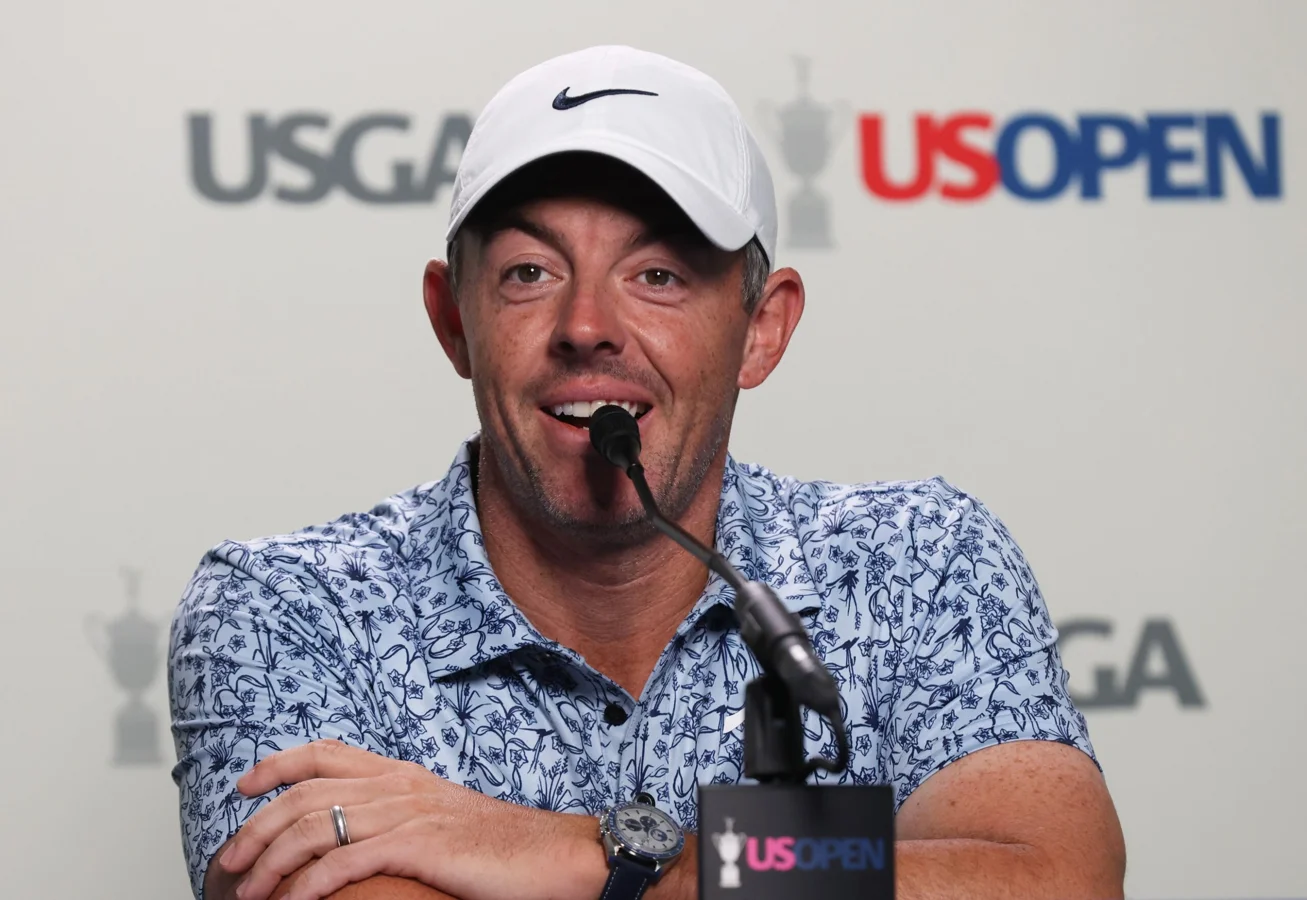

Rory McIlroy’s recent reluctance to engage with the media at the U.S. Open highlights increasing tension around player responsibilities for media interaction within the PGA Tour. As TV ratings fluctuate and fan interest wanes, voices like Marcus Hayes of the Philadelphia Inquirer argue that top players are neglecting a key part of their role.
Hayes insists that,
“yes, speaking to the press, and thereby to the fans, is part of the job.”
Once considered one of the most accessible figures in golf, McIlroy’s attitude toward media questions has grown noticeably strained. In his latest comments, McIlroy expressed frustration, stating,
“It’s more a frustration with you guys.”
He contrasted his current stance with the past, when he was
“one of the most thoughtful, accessible, relatable stars on the planet.”
Media Obligations Compared to Other Sports and Players’ Defiance
McIlroy noted that unlike other athletes, golfers on the PGA Tour are not required to talk to the media after events, saying,
“Every other athlete … is obligated to speak to you guys after a game. We’re not.”
This sentiment is echoed by other high-profile players from the LIV Golf circuit. For example, Bryson DeChambeau and Phil Mickelson ignored interview requests after missing the cut, with DeChambeau deliberately practicing next to the media tent,
“as if to taunt the press corps.”
Hayes further warns that this issue is spreading beyond the PGA Tour to the women’s golf circuit, describing it as
“a disease that has crept into the women’s tour, too.”
He underlines that players should recognize they
“get paid to do more than just play,”
indicating that media duties are an inherent element of their professional responsibilities.
Industry Perspectives on the Widening Gap Between Players and Media
Golfweek’s Eamon Lynch observes that McIlroy is

“doing what he feels is appropriate, but not what the media thinks is appropriate,”
highlighting a growing disconnect. Lynch adds that this divide is
“unlikely to be bridged anytime soon,”
noting McIlroy’s history of openness makes sudden refusals more noticeable and subject to criticism.
Lynch emphasizes that the pending issue for the PGA Tour lies in balancing
“players’ mandated obligations and their optional responsibilities.”
He asserts that administrators must decide if they are in the
“‘we’ business or the ‘me’ business,”
concluding that
“the expectations of their consumers and the compliance of their players are not at all aligned.”
Implications for the Future of Player-Media Relations in Professional Golf
The growing reluctance of leading golfers like Rory McIlroy to meet media demands signals a deeper conflict over what is expected from players beyond their on-course performance. As fan engagement shifts and organizational priorities evolve, the PGA Tour faces a critical moment in defining its relationship with players and the public. How the tour resolves these media obligations will likely influence fan loyalty and the sport’s broader popularity moving forward.