
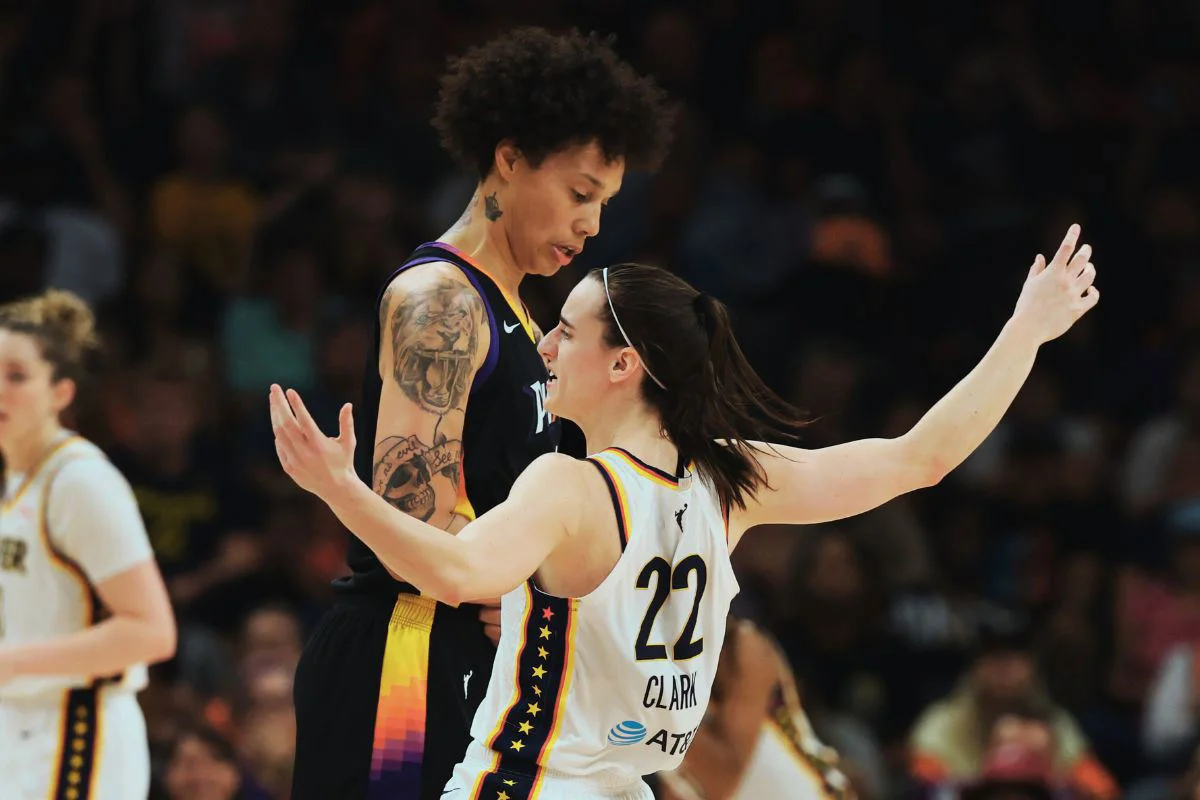

The debate over what Brittney Griner said after fouling out during a May WNBA game reignited as Jemele Hill stepped forward to defend the star. The controversy arose from a viral clip showing Griner’s frustration in a game between the Atlanta Dream and the Indiana Fever on May 22, where some viewers interpreted her words as a racial slur targeting Caitlin Clark. Hill, however, clarified that Griner’s comment was about a “f*****g wack call,” not directed at Clark personally, explaining that Clark was not involved in the foul that led to Griner’s disqualification. The focus keyword, Brittney Griner Caitlin Clark WNBA controversy explanation, centers on this dispute that has stirred a passionate discussion across social media platforms.
In the sequence of back-to-back games on May 20 and May 22, the Atlanta Dream first beat the Indiana Fever before the Fever claimed victory in the second game. Griner fouled out in the latter match and appeared noticeably upset on the bench, leading to varied interpretations of her words spoken in the heat of the moment.
Hill addressed the issue on Instagram, emphasizing that misinformation needed to stop, particularly from sources pushing politically charged narratives. She said that the player Griner fouled out against was Black, and Clark—though a white player—was not involved in the call that frustrated Griner.
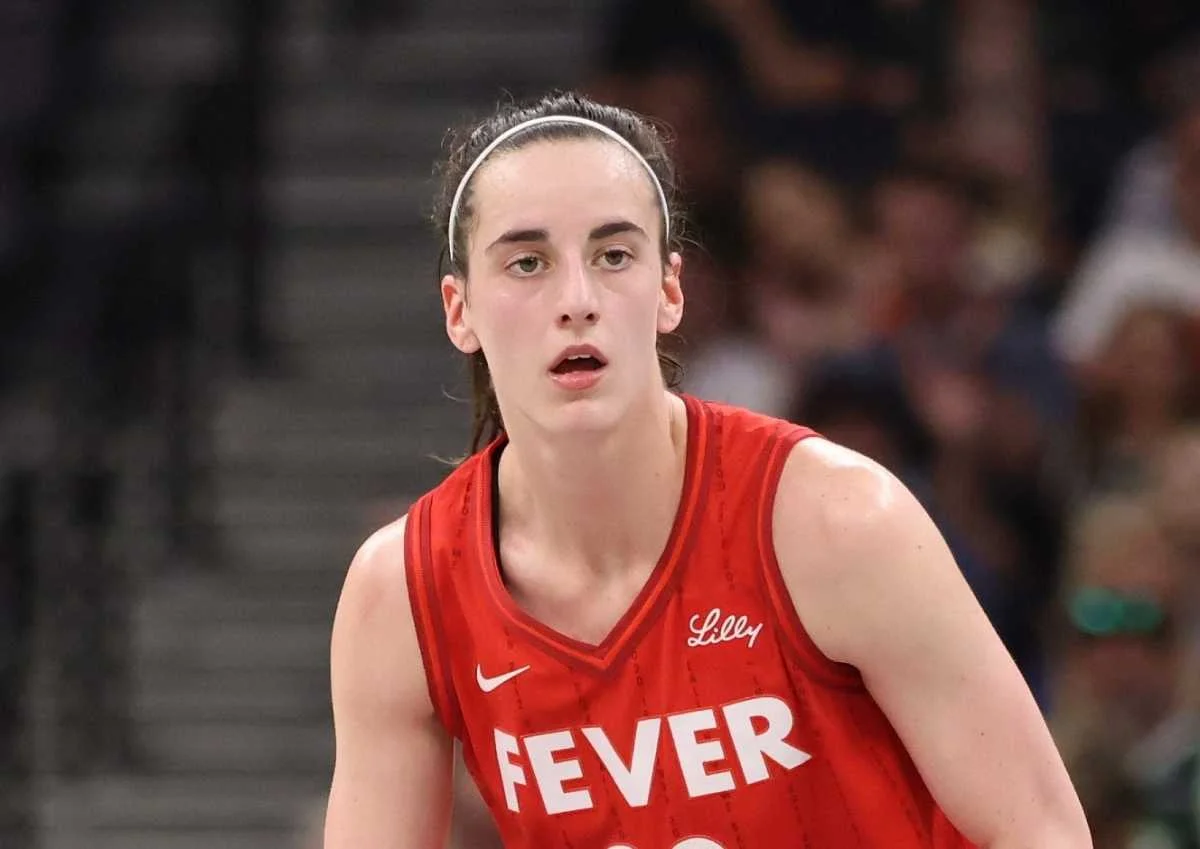
“She said F*****G WACK CALL. And if you watched the game, the player she fouled out against was Black. Please stop sharing misinformation and right wing (WHITE) talking points. Caitlin Clark, not any other white player was involved in this play.”
—Jemele Hill, Commentator
Brittney Griner’s Clarification and Denial of Using a Racial Slur
Following the viral spread of the clip, speculation ran rampant as fans debated Griner’s exact words. The WNBA star had not been questioned directly about the incident until recently when Dan Zaksheke, a reporter from Fox-owned outlet Outkick, approached her for comments. Griner recalled fouling out on a play defending Aliyah Boston and expressed that she did not remember the specific words she had uttered but firmly denied using a racial slur against Clark.
After the Atlanta Dream’s dominant 89-56 victory over the Washington Mystics on a recent Sunday, Zaksheke sought further clarification. Griner maintained that she would never use language of that sort and insisted that her frustration was about the foul call rather than a personal attack on Clark.
“Would never say that. Like, there’s no place for that in our league. I wouldn’t say that. I was mad about the call. I know it wasn’t that because I wouldn’t use that type of language.”
—Brittney Griner, WNBA Player
As of now, neither Caitlin Clark nor the Indiana Fever, nor the WNBA itself, have made any public statements addressing the controversy, leaving room for ongoing speculation and conversation among fans and analysts.
Implications for the WNBA and the Ongoing Discussion
This controversy highlights the challenges professional leagues face when off-court incidents become amplified through social media and speculation. The claims against Brittney Griner have sparked an intense debate about player conduct and the quick assumptions crowds can make based on unclear audio or visual evidence. Jemele Hill’s defense attempts to bring clarity amid the tension, while Griner’s own statements stress the importance of not jumping to conclusions without full context.
The situation underscores a broader conversation in the WNBA about respect and professionalism, especially amid the league’s high visibility and social significance. How the league addresses such incidents moving forward may influence public trust and player relations, as well as set a precedent for dealing with similar controversies in the future.