
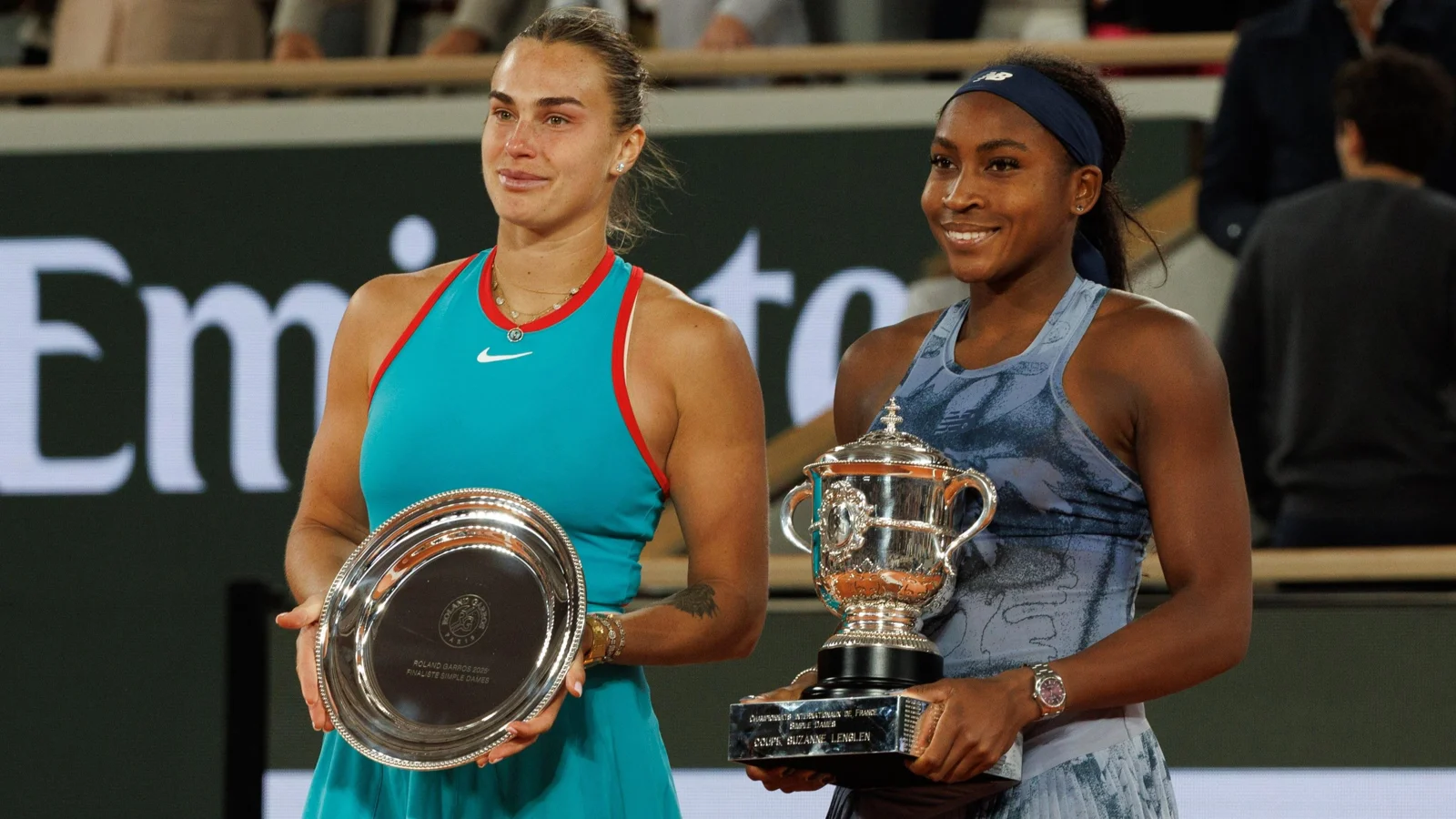

World No. 1 Aryna Sabalenka expressed regret over the remarks she made after losing to Coco Gauff in the final of the 2025 French Open, saying she recently reached out to apologize to the 21-year-old champion. Sabalenka described her previous comments as “completely unprofessional” and admitted her emotions got the better of her after the intense match at Roland-Garros.
It was just completely unprofessional of me. I let my emotions get the better of me. I absolutely regret what I said back then,
Sabalenka said in an interview with Eurosport Germany (translation h/t The Athletic’s Charlie Eccleshare).
Reflection on the Final: Emotions and Performance
Sabalenka acknowledged that losing control during such a high-profile event affected her public response. She explained that although many athletes face moments of frustration, her actions were more visible due to her status. Despite the delay, she chose to personally contact Gauff to express her respect and admiration for the young American’s achievement.
I wanted to apologize and make sure she knew she absolutely deserved to win the tournament and that I respect her. I never intended to attack her. I was super emotional and not very smart at that press conference.
Initially, Sabalenka had attributed her loss not to Gauff’s play but to difficult court conditions and her own errors during the final, where Gauff emerged victorious with a score of 6-7 (5), 6-2, 6-4. She openly admitted to a poor performance and stressed that her mistakes were the main reasons behind the outcome.
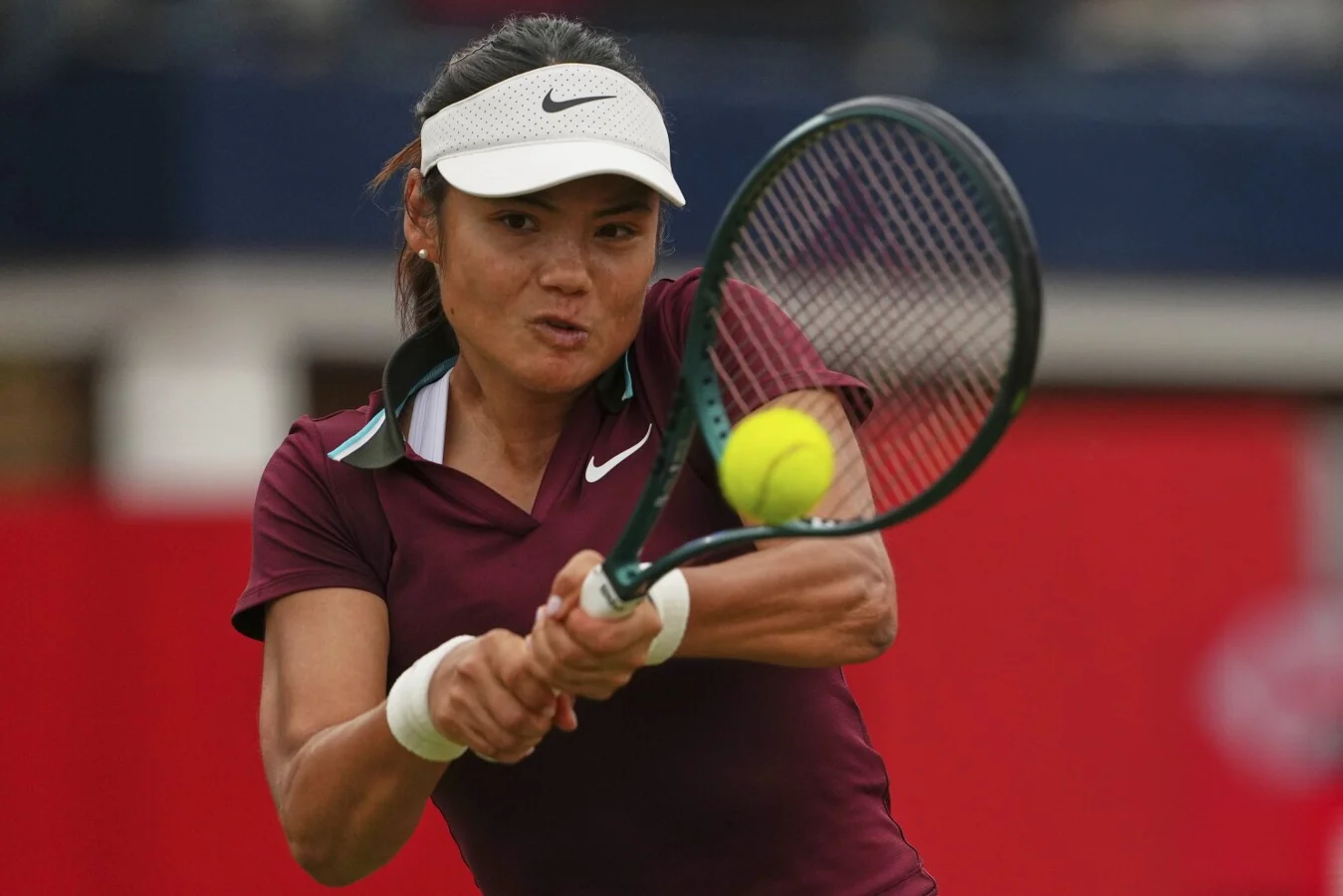
In the final it was really, honestly, the worst tennis I’ve played in the last I don’t know how many months,
Sabalenka said after the match.
And the conditions were terrible, and she simply was better in these conditions than me, and I think it was the worst final I ever played.
Further admitting to being overwhelmed by emotions, Sabalenka described her mental state during the match as fragile and acknowledged the unforced errors that contributed heavily to her defeat.
I think I was overemotional. I think, today, I didn’t handle myself quite well mentally. Basically that’s it. I was just making unforced errors, I don’t know. I have to check the statistics. I think she won the match, not because she played incredible, just because I made all of those mistakes. Like, if you look from the outside, kind of from easy balls.
Subsequent Response and Push for Recognition
After the final, Sabalenka attempted to clarify her stance in a statement posted on her Instagram story, acknowledging her errors while also recognizing Gauff’s composed and purposeful gameplay. She admitted her large number of unforced errors but wanted to give credit where it was due.
I made over 70 unforced errors, so I can’t pretend it was a great day for me,
stated Sabalenka.
But both things can be true… I didn’t play my best, and Coco stepped up and played with poise and purpose.
Following the clarifications, Gauff expressed understanding for Sabalenka’s comments during a television interview, recognizing the emotional toll of such an important match for both players.
I know she was probably a bit emotional after that match, and it was a tough loss,
Gauff told Good Morning America.
I was a little bit surprised about the comments and everything but I’m gonna give her the benefit of the doubt. I’m sure it was an emotional day, emotional match.
Match Highlights and Historical Significance of Gauff’s Win
During the final at Roland Garros, Sabalenka initially took a 4-1 lead in the first set, but Gauff fought back to level the score. Although Sabalenka won the set tiebreak, her play faltered due to unforced errors, allowing Gauff to seize the advantage and claim the title in three sets.
Coco Gauff’s victory marked a milestone as the youngest American to win the French Open since Serena Williams, who won the tournament in 2002. This accomplishment adds to Gauff’s rapidly growing reputation in international tennis and underscores the competitive nature of women’s tennis at the highest level.
Implications for Player Relations and Future Competitions
Sabalenka’s apology and acknowledgment of the emotional strain following high-stakes matches highlight the pressures faced by elite athletes on the global stage. By reaching out to Gauff, Sabalenka has sought to mend any misunderstanding and show respect for her competitor, reflecting the sportsmanship valued within professional tennis.
As Gauff continues to build on her impressive 2025 French Open victory, the dynamic between these top players sets the stage for upcoming tournaments, where mental resilience and emotional management will remain as crucial as athletic skill.