


The Kevin Durant trade impact on Phoenix Suns fans has been a hot topic as bettors and enthusiasts anticipate an imminent trade announcement from Shams Charania. Durant’s arrival at Phoenix in the 2023 trade deadline was initially seen as a turning point for the franchise, promising a championship-caliber future alongside star Devin Booker. However, despite early hopes and Phoenix at one time holding the best odds to win the Western Conference, the Suns managed only a single playoff series victory with Durant on their roster.
Durant’s presence represented a peak moment for a team that had built a strong culture post their impressive 8-0 bubble run, and his desire to join Phoenix added to the optimism. Still, the team’s trajectory didn’t reach anticipated heights, and his tenure is now widely regarded as falling short of expectations.
Challenges and Consequences Following the Durant Trade
The fallout from acquiring Durant extends beyond wins and losses. The Suns face a complex financial situation under the new NBA collective bargaining agreement (CBA) rules, which penalize teams carrying substantial salary burdens. This constraint limits Phoenix’s flexibility, especially as they approach multiple consecutive seasons with high payroll commitments. The team also now confronts losing draft assets and a revolving door of coaches — about to employ their fourth head coach in as many seasons.
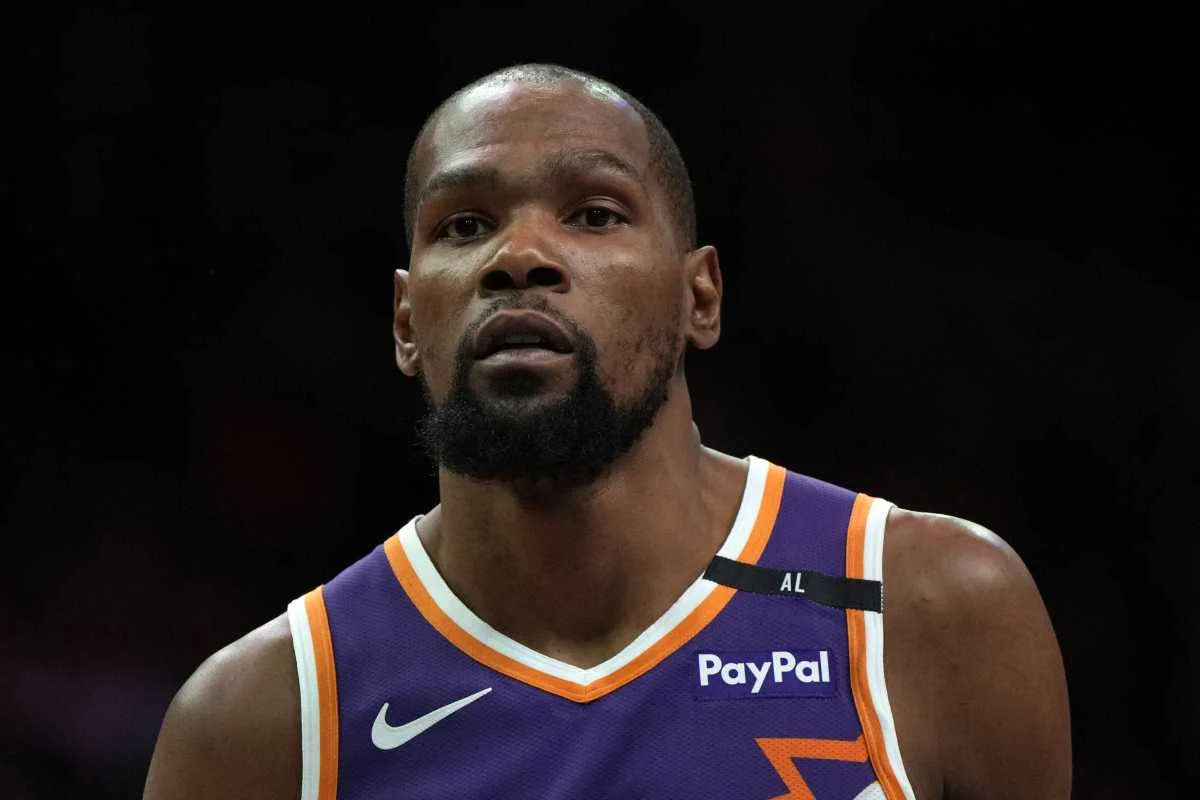
Such instability raises concerns about the franchise’s long-term prospects. The organization’s attempt to restructure included trading for Bradley Beal as part of the financial strategy, reflecting the constraints imposed by the new CBA. This move was also considered preferable to retaining veteran Chris Paul, whose contract would have further complicated salary cap issues.
Comparisons to Other Teams and the Nature of Championship Windows
While the Durant experiment with the Suns may seem disappointing, the experience of other franchises highlights how teams often push hard during perceived championship windows. Brooklyn’s pairing of Durant with Kyrie Irving and James Harden exemplifies maximizing the time with an elite player despite imperfect fits, just as the Lakers took risks by acquiring Russell Westbrook alongside LeBron James and Anthony Davis.
Championship windows frequently close faster than anticipated, as noted in the Eastern Conference, where the Boston Celtics face uncertainty due to injuries like Jayson Tatum’s torn Achilles and the possibility of roster changes under salary pressure. This context suggests that no team’s dominance is guaranteed, reinforcing the pressure Phoenix felt to act decisively in pursuit of a title.
Reflecting on the Suns’ Risks and Future Outlook
The decision to trade for Kevin Durant came just months before the new CBA rules introduced harsher penalties for teams with heavy financial commitments. This timing has amplified the risks Phoenix took by mortgaging future flexibility to acquire a top-tier player. Fans and analysts alike now debate whether this gamble was justified, given the consequences for the Suns’ roster construction and financial health moving forward.
The Suns are navigating a precarious position, juggling immediate competitiveness with long-term planning under constrained circumstances. As the Suns prepare for their next steps, including potential coaching changes and roster adjustments, the impact of the Kevin Durant trade will remain a defining factor in the team’s direction.