
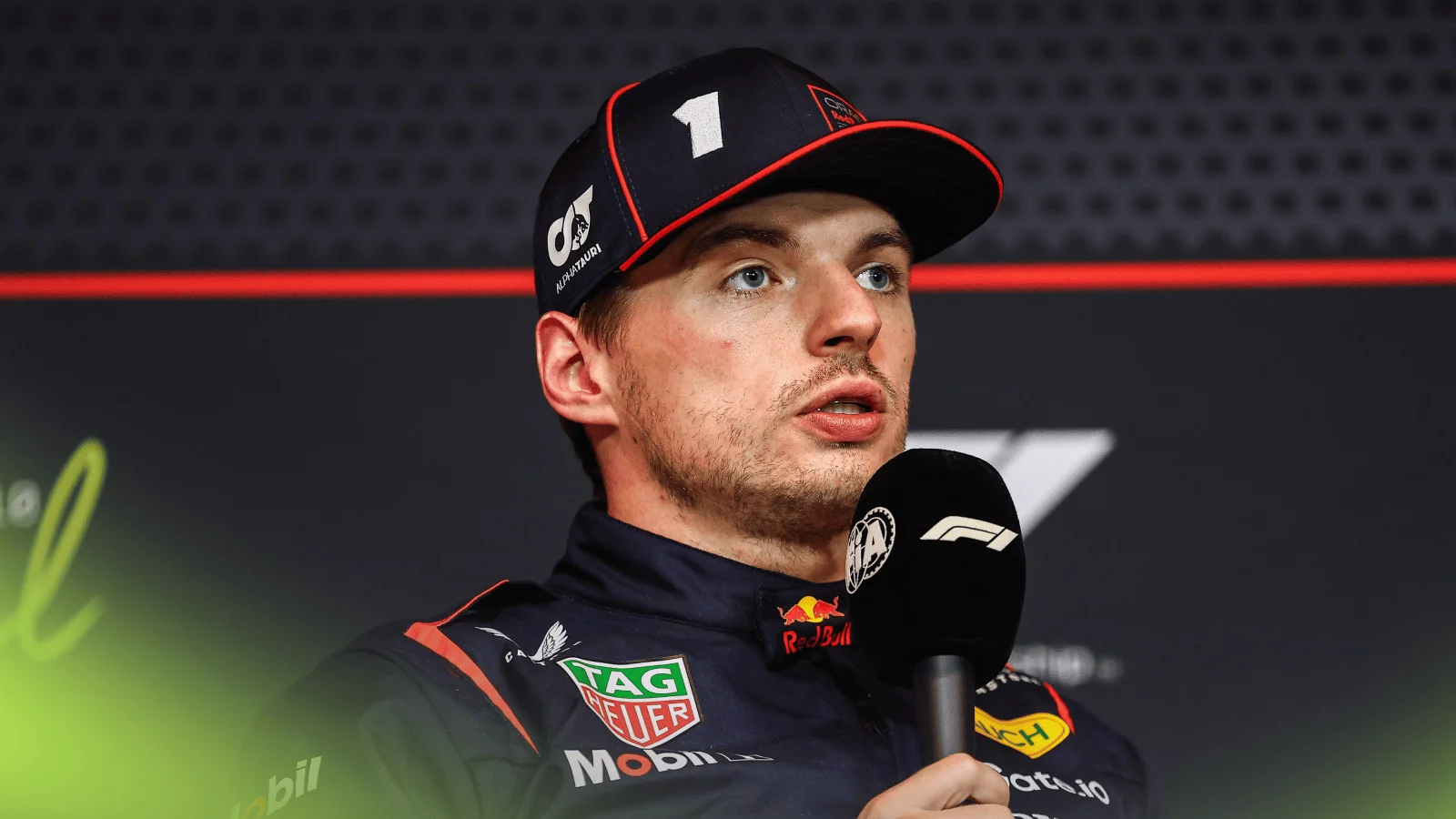

Sky Sports F1 presenter Rachel Brookes has switched off comments on her social media platforms after enduring severe abuse linked to her recent Max Verstappen interview at the Canadian Grand Prix. This untenable situation arose amid heightened tensions following a controversial incident during the Spanish Grand Prix.
Brookes has been a key member of the Sky Sports F1 team since 2012 when the broadcaster secured exclusive rights from the BBC. Regularly positioned in the media pen, she is often responsible for asking challenging questions after sessions, especially when incidents spark debate among fans and teams.
Earlier this month, Verstappen received a 10-second penalty for a collision with George Russell. The incident occurred as Verstappen appeared frustrated after Red Bull instructed him to lift off and return a position following their battle at Turn 1 after a Safety Car restart.
In the post-race interview, Brookes questioned Verstappen about whether his controversial maneuver diminished the brilliance of his earlier impressive move on Oscar Piastri during the Emilia Romagna Grand Prix. Verstappen responded curtly, stating,
“Well, that’s your opinion. We will leave it there”
.
Rachel Brookes Shares Experience of Significant Online Abuse
Following the Spanish Grand Prix interview, Brookes revealed she had been subjected to “enormous amounts of vile abuse” on various social media channels. As a result, she disabled comments, tags, and mentions on both her accounts and X (formerly Twitter), explaining this measure was necessary to protect herself.
“I may switch them back on at a later date, but for now they will stay off.”
—Rachel Brookes, Sky Sports F1 presenter
This is not an isolated incident, as other F1 broadcasters have faced similar challenges. Channel 4’s F1 presenter Lee McKenzie publicly addressed a wave of harsh online harassment directed at her, which targeted her appearance and weight following a medical procedure.
Wider Impact of Online Abuse on Formula 1 Presenters
The escalating abuse aimed at presenters like Brookes and McKenzie highlights the increasing pressure and risks associated with front-line media roles in Formula 1. These professionals often must navigate fan passions, especially when interviewing drivers such as Verstappen, who can generate divided opinions based on their actions during races.
The decision to disable engagement tools on social media reflects a growing need for protective measures against toxic online behavior. As Formula 1 continues to expand its global reach, it remains to be seen how broadcasters and platforms will support their staff entrusted with delivering insightful yet sometimes uncomfortable questions to drivers, while ensuring their wellbeing.