
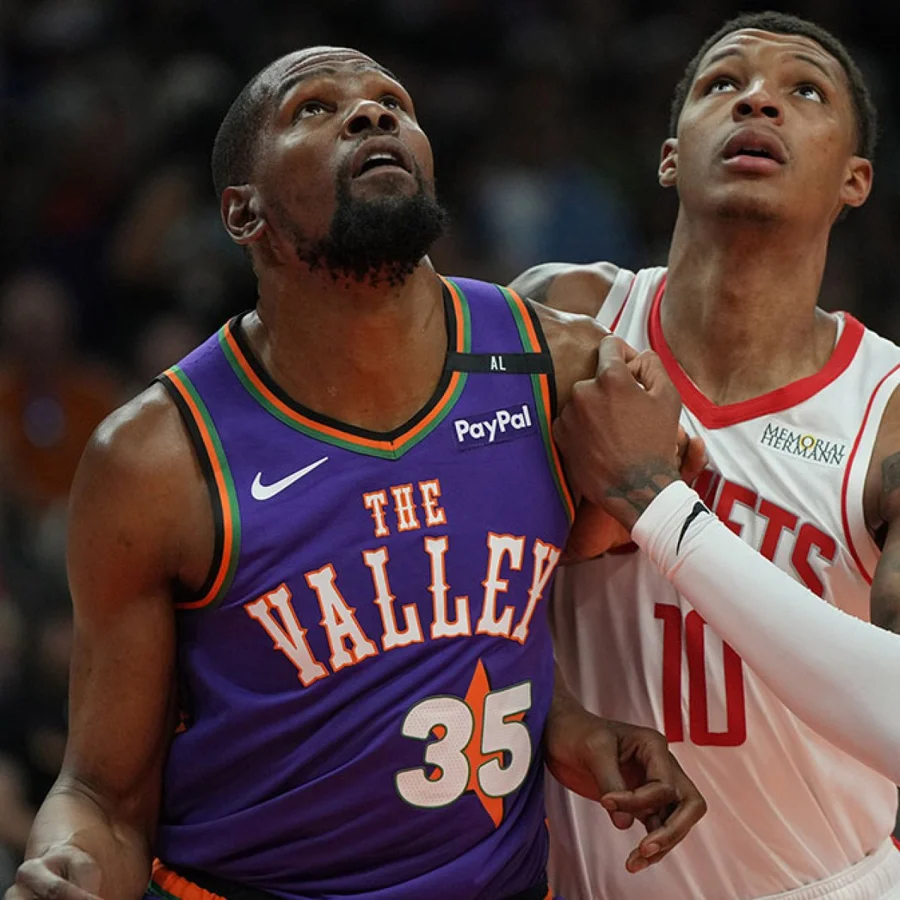

Bruce Bowen, a three-time NBA champion and former player who retired at age 37, issued a warning to NBA teams considering investing in Kevin Durant amid his impending free agency. Bowen highlighted the significant risks tied to Durant’s advancing age and injury history, stressing cautious evaluation as Durant approaches his late 30s in the fiercely demanding NBA environment. This commentary comes at a pivotal moment as teams weigh strategic decisions involving aging stars and their potential impact on future success.
Changing NBA Landscape: Longevity Versus Performance
The NBA has witnessed a shift with players like LeBron James maintaining elite performance well into their late 30s, reshaping conventional ideas of player longevity. Despite this, Bowen voiced skepticism about following this trend when it comes to Durant. Although Durant averaged an impressive 26.6 points per game with the Phoenix Suns, Bowen questioned whether teams should be eager to commit long-term to a player nearing 37, pointing to the physical toll and potential for decline that comes with age.
Reflecting on his own experience, Bowen contrasted current motives with those from his playing days. He noted,
“I don’t think so,”
when asked if Durant should be highly sought after, adding that players in his era often stayed in the league mainly for financial reasons, whereas today many extend their careers driven by passion for the game. Bowen also cautioned that this shift might unintentionally limit development chances for younger players trying to rise within their teams.
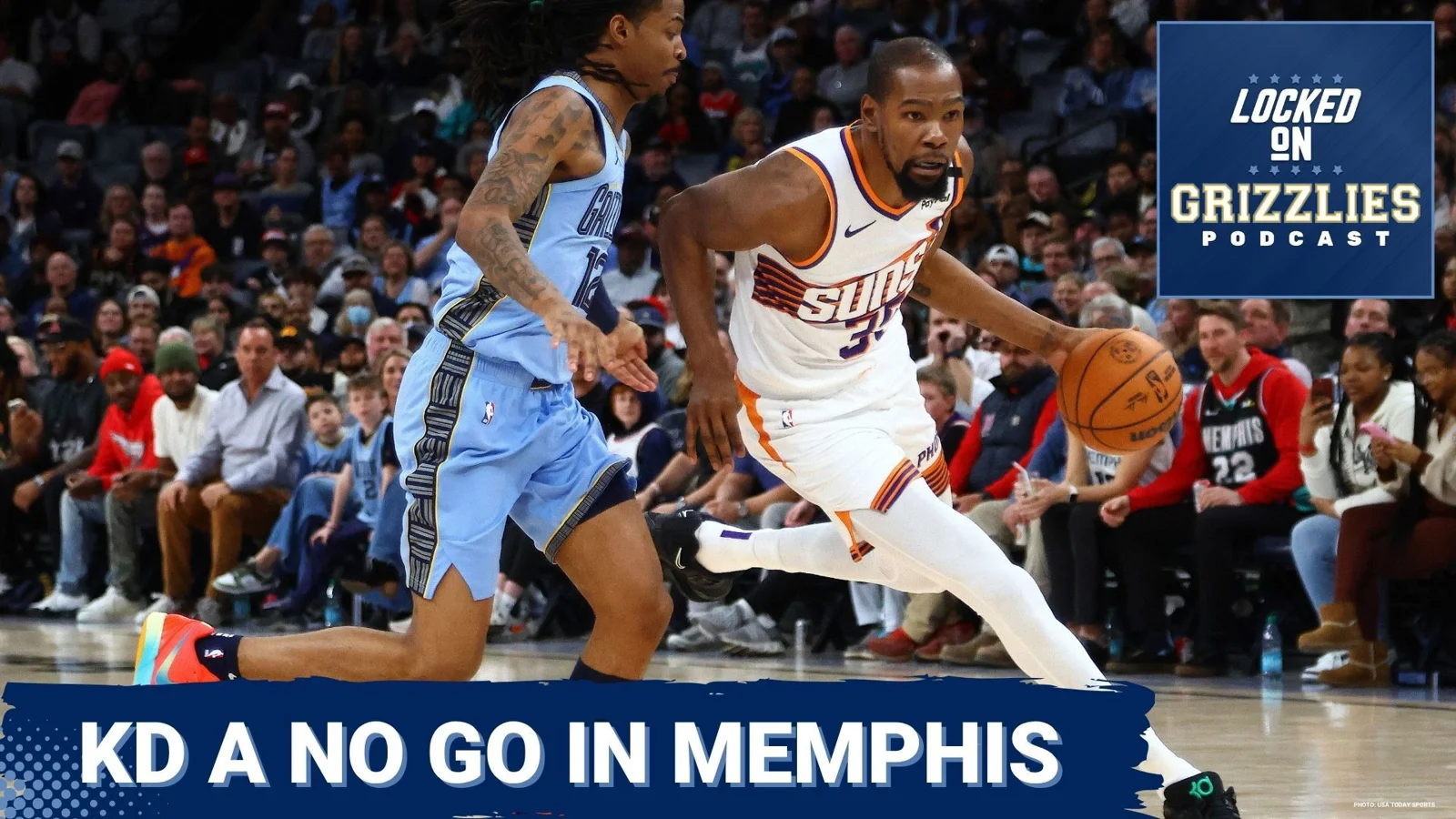
Physical Limitations and Injury Concerns with Aging Players
Bowen emphasized the rigorous physical demands that come as NBA players near 40, stating the importance of managing minutes carefully to sustain performance. He remarked,
“When you hit 40 in the NBA, you shouldn’t have a lot of minutes,”
underscoring that playing time restrictions become necessary to maintain effectiveness at an advanced age.
Regarding Durant’s injury record, Bowen raised serious red flags. He pointed out,
“We’re already talking about somebody that’s had an Achilles issue,”
highlighting a major vulnerability that could jeopardize the value of investing significant resources. This injury history, combined with age-related decline risks, presents a difficult gamble for any franchise negotiating a contract potentially spanning multiple years.
Broader Implications for Team Building and Young Talent
Bowen’s insights extend beyond Durant to the wider considerations teams face in roster construction. With the constant tension between pursuing immediate championship prospects and building sustainable talent pipelines, franchises must balance the benefits of seasoned stars against the potential drawbacks of reduced player durability and growth bottlenecks.
He further warned that keeping veteran players in prominent roles may inadvertently suppress the opportunities for emerging talent. This dynamic could slow the development of younger players, creating a challenging environment for the next generation to establish themselves fully within the league’s competitive landscape.
Looking Ahead: Navigating Risks in a Shifting NBA
As the NBA continues to evolve, the strategies teams employ will need to adapt to the realities of player longevity and performance sustainability. Bruce Bowen’s observations highlight the tension between celebrating the accomplishments of aging stars like Kevin Durant and acknowledging the unavoidable risks linked to injuries and natural decline.
Teams must carefully weigh these factors when making investment decisions, aiming to strike a balance that allows for both immediate competitiveness and long-term growth. The way franchises manage this balance will significantly influence the NBA’s future direction, shaping how new talent is integrated alongside established veterans.