
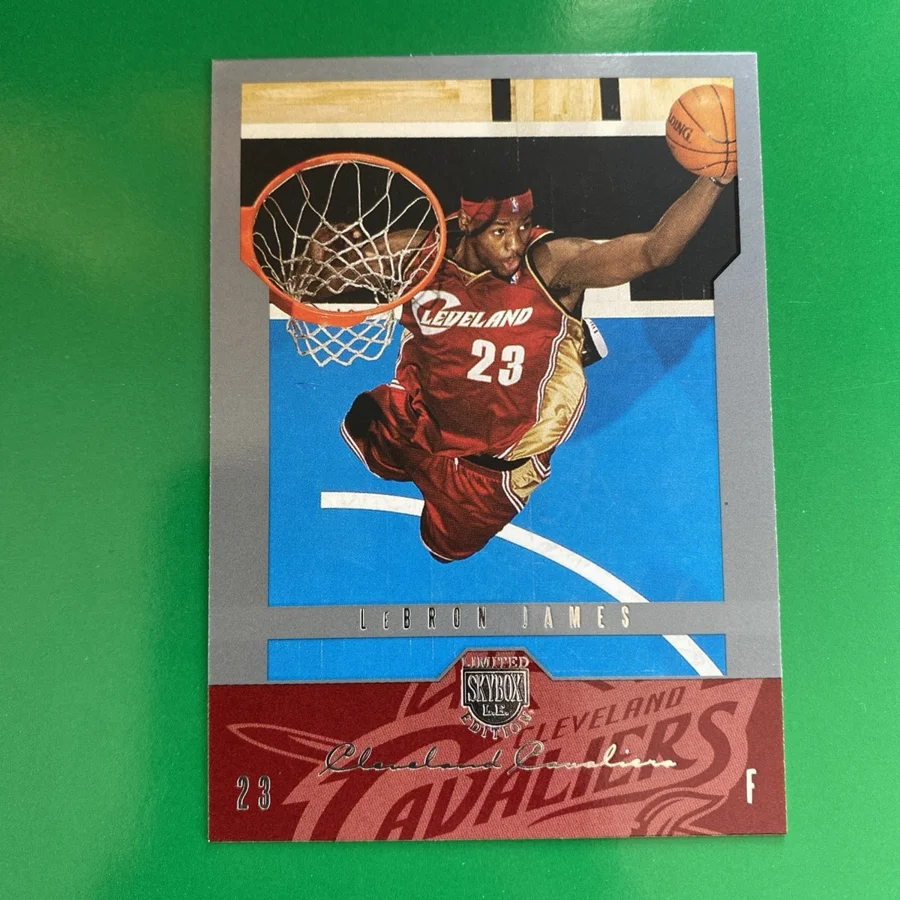

At the 2004 Athens Olympics, Team USA faced unexpected challenges, as the roster included two NBA rookies—19-year-old LeBron James and 20-year-old Carmelo Anthony—who were thrust into the international spotlight. Coming off a disappointing performance at the 2002 World Championships, the U.S. men’s basketball team was still recovering and lacked the dominance that later tournaments would bring. The team’s composition was affected by the reluctance of several veterans to participate following the September 11 attacks, which left head coach Larry Brown and assistant Gregg Popovich scrambling to assemble a competitive squad.
The roster combined respected veterans such as Allen Iverson, Stephon Marbury, and Tim Duncan with young standouts including LeBron James, Carmelo Anthony, and Dwyane Wade, who were controversially added at the final moment. This mix of experienced leaders and inexperienced rookies failed to deliver the expected result, with the team settling for bronze after a defeat that kept them from reaching the gold-medal game. The underwhelming outcome still sparks debate more than two decades later.
Kenyon Martin Criticizes the Rookie Trio’s Readiness and Impact
Kenyon Martin, an ex-Nuggets star who famously missed out on the 2004 Olympic team, has expressed sharp criticism of the rookie players on the squad, particularly LeBron James, Carmelo Anthony, and Dwyane Wade. Martin asserted his belief that the U.S. team should never have brought home bronze, insisting it deserved gold.
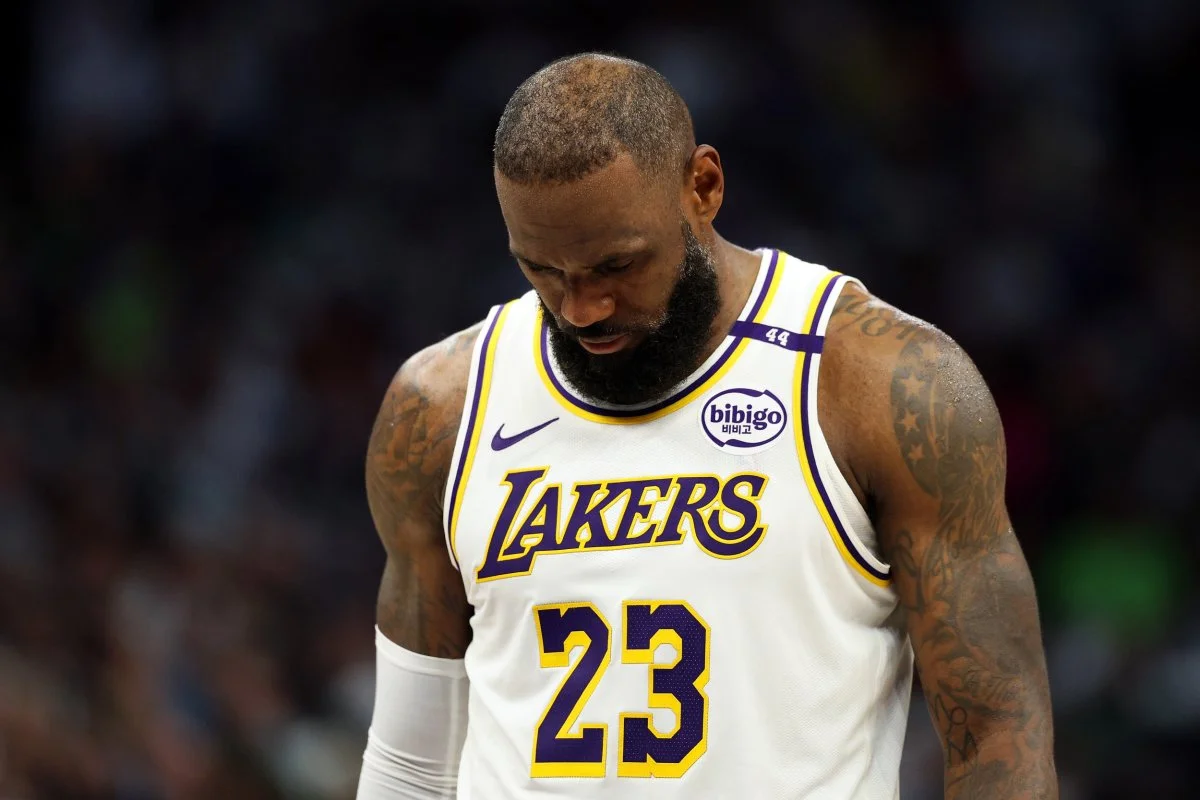
“We don’t bring home bronze for sure. We win gold. A hundred percent,”
Martin said on the Gil’s Arena podcast, emphasizing his conviction that the team’s failure was avoidable.
Martin supported his argument by recalling his own success with Team USA just a year prior, when he won gold at the 2003 FIBA Americas Championship. When reminded that LeBron, Wade, and Melo were part of the lineup in Athens, Martin responded bluntly about their preparedness:
“But they weren’t ready to play. All three of them. They wasn’t ready to play,”
highlighting how he feels their inexperience cost the team a better result.
His remarks revisit a source of frustration he voiced as far back as 2023, reflecting bitterness over the exclusion from the roster.
“They didn’t even invite me. I just came off an All-Star, signed my max deal, and I don’t even come back,”
Martin lamented, revealing the sense of injustice he felt regarding the selection process.
Attempts at Collaboration Between Kenyon Martin and LeBron James Derail
The early 2010s featured the Miami Heat as a dominant NBA franchise, spearheaded by the legendary trio of LeBron James, Dwyane Wade, and Chris Bosh. This Big Three attracted many role players eager to compete for championships, with Martin expressing interest in joining the team to provide a much-needed physical presence at center. Despite Miami’s efforts to bolster their frontcourt with players like Chris Andersen and Joel Anthony, the franchise continued searching for a more dependable big man off the bench.
After the NBA lockout in 2011, Kenyon Martin was again available, and Miami emerged as his preferred destination. He traveled to South Beach to meet with Heat president Pat Riley, known for his intense conditioning regimens. However, Martin’s body was already battered from years of injuries, including a broken fibula in college and ongoing ankle issues during his professional career.
Martin revealed on The OGs podcast that his visit to Miami ended quickly due to physical constraints.
“I came down there and my body had been through so much,”
he recalled.
“Pat Riley was talking about all that motherfu—– conditioning and I was like, ‘I ain’t going to make that.’”
Riley’s unyielding standards left no room for compromise, even for a player of Martin’s caliber. Consequently, Martin signed a $2.5 million deal with the Los Angeles Clippers, and the Miami Heat’s quest for a reliable center remained unresolved.
The Long-Term Significance of 2004 and Its Impact on Player Legacies
The 2004 Olympics represent a pivotal moment in U.S. basketball history, illustrating the growing pains that accompanied the transition to the current era of Team USA dominance. The presence of youthful rookies like LeBron James was intended to inject fresh energy and talent, but their inexperience contributed to inconsistent performances on the international stage. Kenyon Martin’s candid criticism exposes unresolved tensions surrounding player selection and readiness that still resonate today, underscoring how those decisions affected both individual careers and the team’s results.
Looking forward, the controversy around the 2004 team continues to serve as a cautionary tale for assembling national squads, reinforcing the importance of experience, preparation, and team cohesion. It also highlights the challenges faced by rising stars expected to perform under immense pressure in global tournaments.