
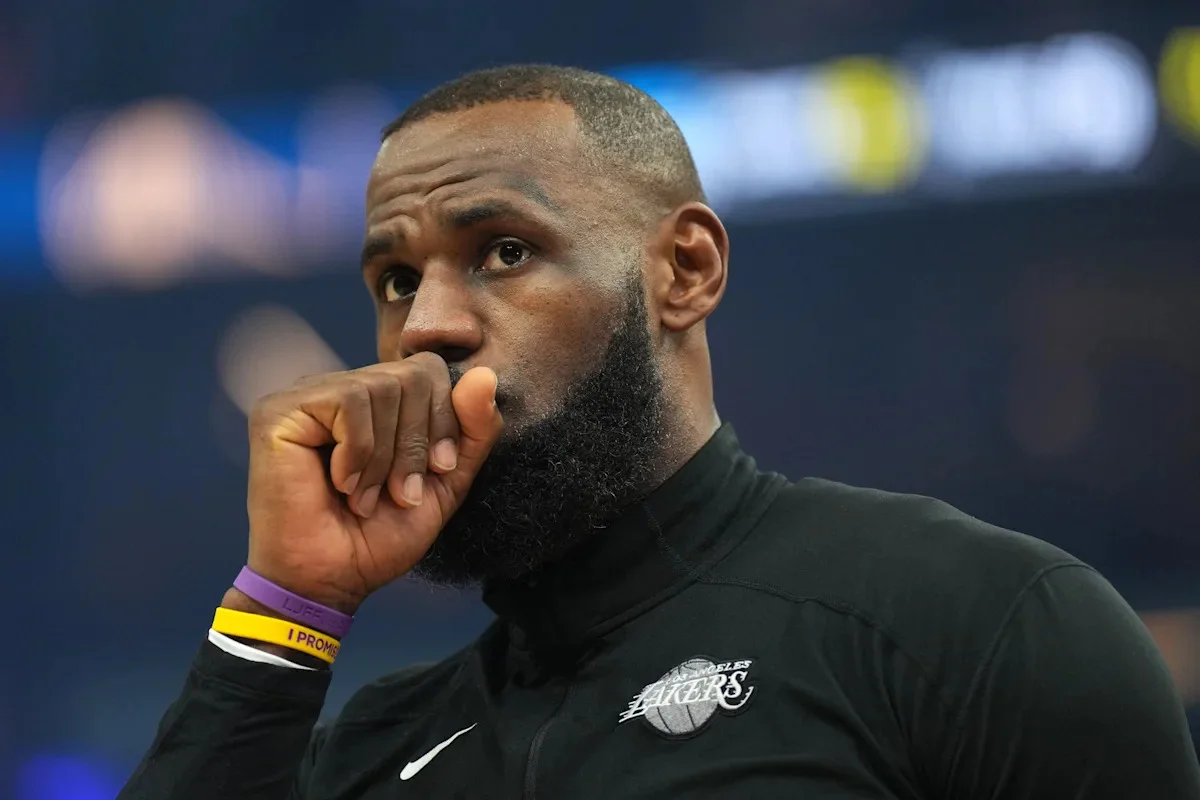

As the NBA Finals captivate audiences this mid-June, LeBron James has once again drawn attention to himself with remarks that have stirred debate. Speaking during his podcast, the Los Angeles Lakers star criticized the prevailing “ring culture” narrative in the NBA, suggesting it diminishes players’ legacies, a comment clearly informed by the comparison between him and Michael Jordan.
The Context Behind James’ Ring Culture Critique
This conversation emerges after another underwhelming season for James, culminating in a first-round sweep by the Minnesota Timberwolves. James, often considered the second-best basketball player by many fans, voiced frustration about how the obsession with championship rings overshadows other achievements. His career, marked by four championships but also a losing record in NBA Finals appearances, fuels this ongoing debate.
Legacy Comparisons and Historical Rivalries
Michael Jordan’s flawless 6-0 record in the NBA Finals often serves as the benchmark against which LeBron is measured. James appears troubled by this contrast, contributing to his outspoken stance against the ring-centric legacy judgment. His career decisions, such as leaving Cleveland to join Miami’s super team with Dwyane Wade and Chris Bosh, have deeply influenced the “ring culture” narrative.
LeBron’s Career Moves and Their Impact on Perception
James’ 2010 decision to depart Cleveland in a highly publicized ESPN special was one of the most polarizing moments in modern NBA history and exacerbated fan scrutiny around championship success. His time in Miami, characterized by high-profile ring aspirations and two titles, followed by a return to Cleveland that yielded a championship, and eventually his move to the Lakers on the West Coast, typifies his quest for basketball immortality through rings.
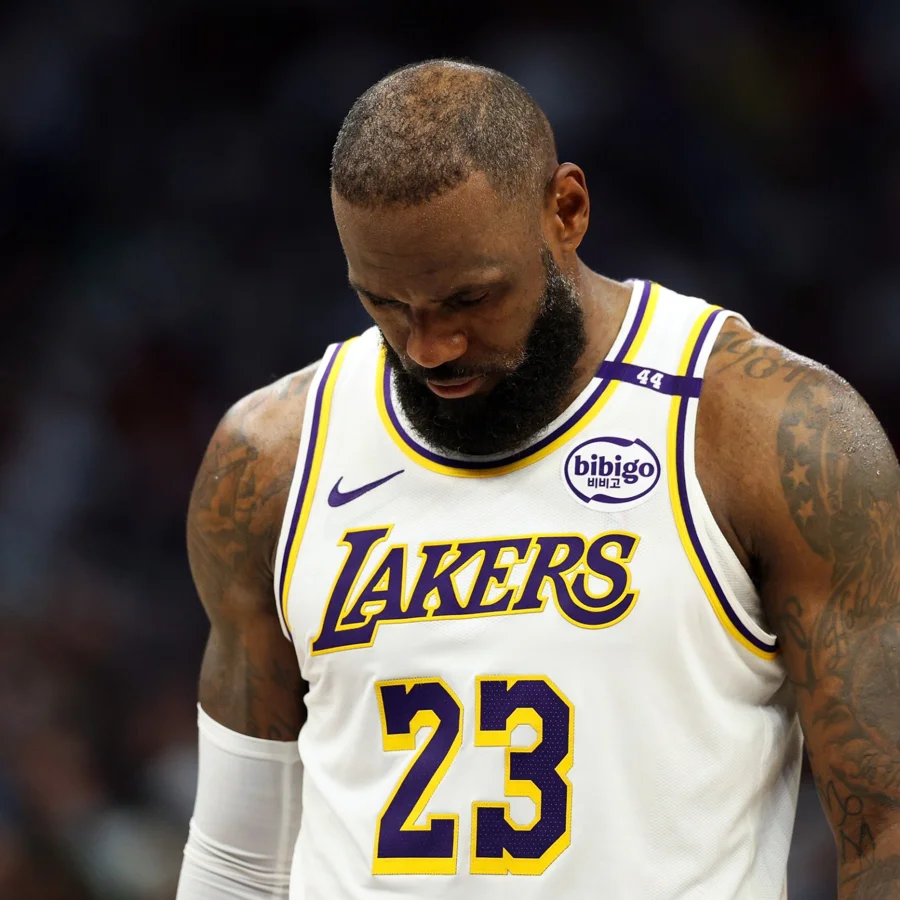
Ring Culture Beyond Basketball
The fixation on championship rings is not unique to basketball. Fans of other sports, such as hockey’s obsession with Stanley Cups or football’s emphasis on Super Bowls, experience similar pressures. For example, Tom Brady’s status as the NFL’s GOAT is often defended by his ring count over Peyton Manning, despite Manning holding superior statistics in other categories. Even Connor McDavid, at just 28, faces legacy doubts due to recent finals losses.
Why Ring Culture Triggers LeBron’s Insecurity
LeBron’s frustration reveals a deeper insecurity about how history will judge him, especially compared to Jordan. His insistence that “ring culture” undermines legacies seems to seek validation beyond trophies, highlighting the emotional toll this comparison takes on him. The prevailing online discourse often reduces greatness to championship totals, leaving little room to appreciate nuances of performance and influence.
The Debate’s Broader Significance
While ring totals are a convenient shorthand for greatness, they do not capture the full picture of a player’s impact or skill. LeBron’s comments spark a larger conversation about how fans evaluate legacy and success in sports, reflecting the tension between statistical achievements, personal accomplishments, and public perception. As the NBA Finals continue, these debates are likely to intensify, shaping how future stars navigate their own legacies amid evolving fan expectations.