
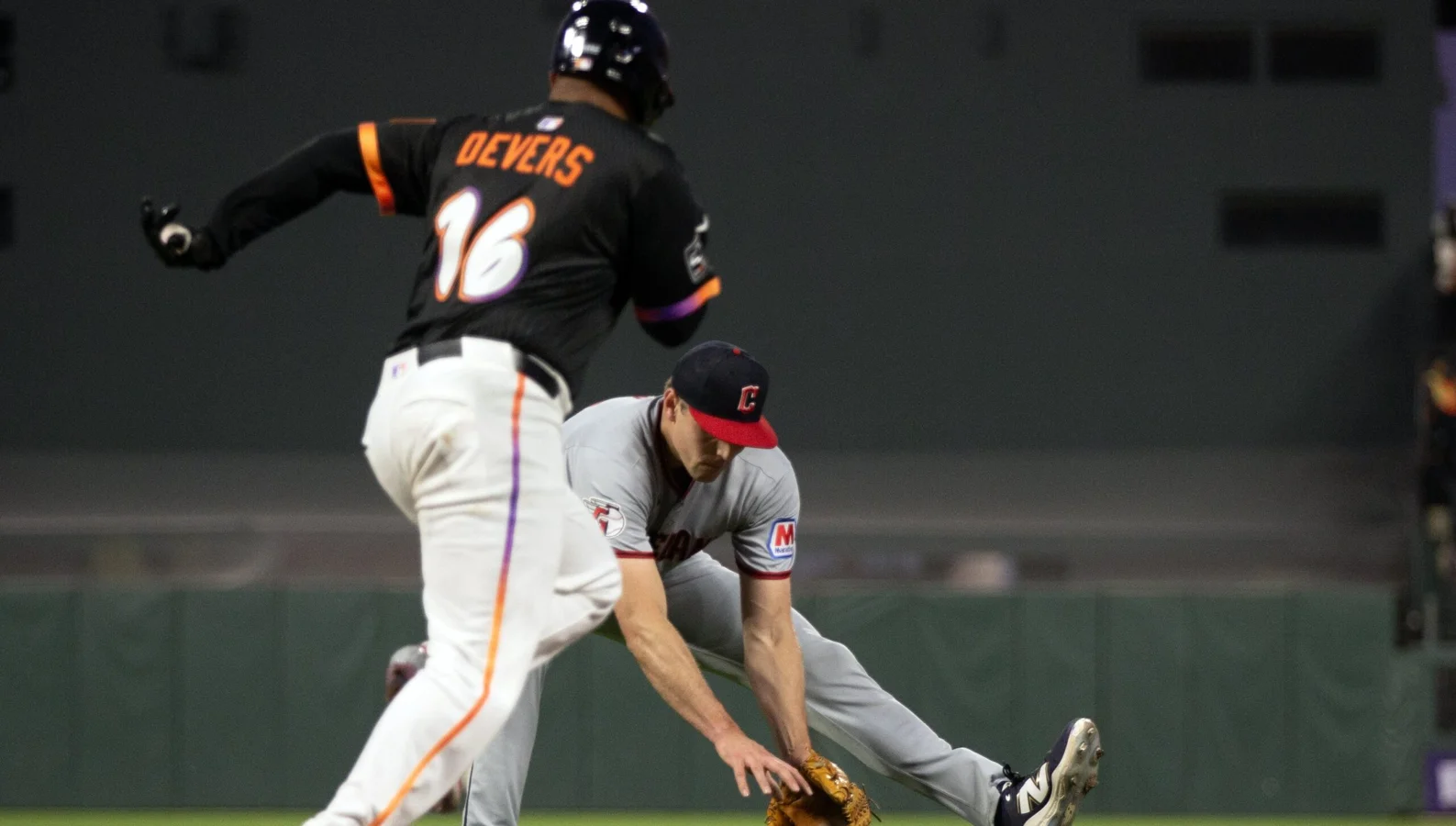

The Boston Red Sox’s decision to trade Rafael Devers to the San Francisco Giants has sparked widespread debate across Major League Baseball this week, centering on how the process was managed internally. Joe Maddon, a two-time World Series champion and former Manager of the Year, criticized the Red Sox for their approach to the deal and the communication with Devers during a recent Foul Territory appearance.
Maddon Highlights Early Communication Failures Regarding Bregman and Devers
Joe Maddon emphasized that the Red Sox missed a critical opportunity to initiate honest conversations once they pursued acquiring Alex Bregman. He explained that when Boston realized they had a real chance to sign Bregman, a dialogue with Devers should have started immediately. Maddon acknowledged the front office’s concern about risking Devers’s morale if the trade talks failed, but insisted transparency was essential once the team leaned toward Bregman.
“It starts in the beginning. The moment that they knew they wanted to get Bregman, and they had a chance to get Bregman, I think that’s when the dialogue needed to be created with Devers,”
Joe Maddon said.
He further stated,
“There’s a fairness about that point, however, if they knew they were really down the road with Bregman, this stuff was going to happen, I think at that point the conversation had to begin.”
Criticism of Position Management: Devers Should Have Remained Active on Defense
Maddon also took issue with how the Red Sox handled Devers’s defensive role after deciding Bregman would occupy third base. He argued that the team erred by instructing Devers to completely stop practicing with the glove, advocating instead that Devers should have continued fielding workouts and sporadic game time on defense to maintain his form and confidence.
“No. 2, Bregman has to be the third baseman, no question. The point I think where they made the mistake was to tell him to put his glove down completely. At that point there, I kind of believe I would have asked him to continue to take ground balls at third and first base and then beyond that you try to get him in a game,”
Maddon explained.
He suggested occasional defensive appearances across both positions could have kept Devers engaged and active, especially for a young player adjusting to a designated hitter role.
“Maybe once a week on defense somewhere, either at first or third, or maybe one at each place. Give Bregman a day off, give the first baseman a day off, and keep this guy solvent, keep this guy on the field because when you get guys that young, and they just want to turn them into DHs, it’s not easy.”
Maddon reflected on his experience with the Angels in the 1990s, when rotating outfielders through the DH position gave them breaks while preserving playing time, though he acknowledged players did not enjoy the adjustment.
“They hated it, they absolutely hated it. When you’re talking about younger players, the thought of kind of being castrated, I’m not a player anymore, I’m not on the field, bothers them a lot. You’re really slicing at an ego at that point too,”
Maddon said.
“So, those are the points you have to be careful with, and the conversation has to be frank, has to be honest, don’t dissemble.”
Maddon Condemns Executive Interference: Alex Cora Should Have Led Talks
Finally, Maddon criticized the involvement of too many executives in the negotiation and communication with Devers. He argued the Red Sox should have allowed manager Alex Cora to handle the discussions directly, rather than letting front office officials take control, which led to confusion and ultimately the loss of their star player.
“None of the executive talk. Front office, stay out of this. Let Alex (Cora) handle that. Too many chefs, not good,”
Maddon declared.
He added a metaphor about the importance of direct and honest dealings, referencing the idea of dealing with challenges head on rather than deflecting issues.
“There’s a lot of things that went wrong with this, but from the beginning I call it Jack Ryan … ‘No, Mr. President, he wasn’t just a friend of yours, he was your best friend. Go right to him, go run towards the issues.’ Don’t tap-dance around it because eventually it turns into Devers playing in San Francisco.”
Broader Implications for Red Sox Leadership and Player Relations
The controversy around the Rafael Devers trade underscores significant challenges within the Boston Red Sox’s management, particularly in balancing player communication and roster decisions. Maddon’s candid observations reveal how inadequate handling of sensitive negotiations and player roles can damage team cohesion and lead to the departure of key talent.
As Devers begins his new chapter with the San Francisco Giants, the Red Sox face scrutiny over their internal processes and leadership approach. The fallout suggests the need for clearer strategies in aligning front office and clubhouse voices, ensuring respect and transparency in future dealings with star players.