
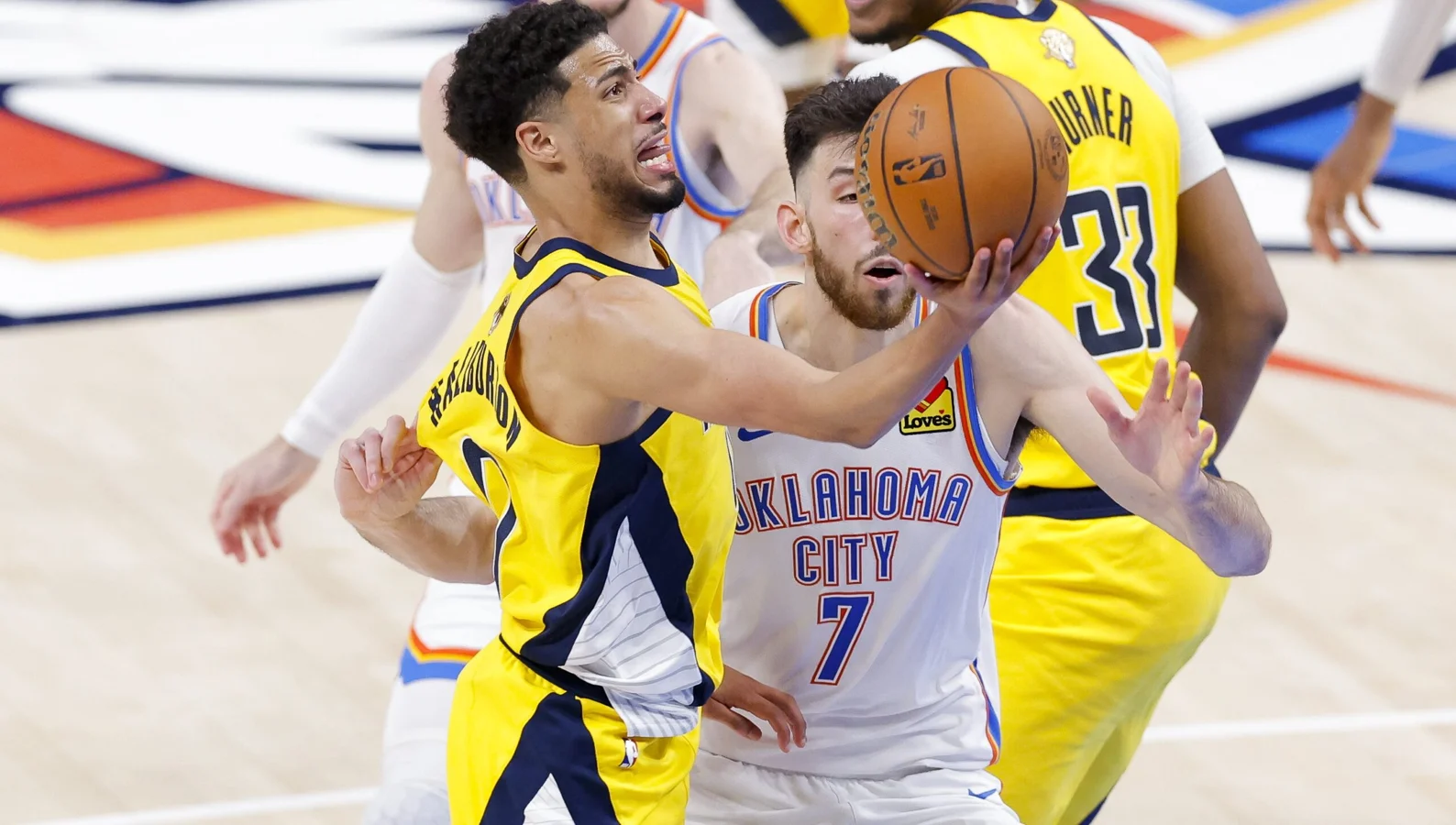

During halftime of Game 5 in the NBA Finals, several analysts, including ESPN’s Stephen A. Smith and Kendrick Perkins, criticized Indiana Pacers star Tyrese Haliburton for continuing to play despite dealing with a calf injury. This stance was also echoed by FS1’s Emmanuel Acho, who labeled Haliburton’s decision as selfish. However, ahead of Game 6, veteran commentator Michael Wilbon sharply rebuked these critiques, urging everyone to stop disparaging Haliburton’s effort on the court. The discussion centered on Haliburton playing through injury criticism, a contentious topic as the series intensified.
Haliburton’s Injury and Public Analysis Stir Debate
On Monday night, ESPN insider Shams Charania revealed during halftime that Haliburton was suffering from a calf strain, making his participation uncertain. Despite this, Smith and Perkins argued that the Pacers star’s presence while injured was detrimental to the team’s chances. Following the game, Acho appeared on The Facility, condemning Haliburton’s choice to play and placing blame for Indiana’s loss squarely on him.
Wilbon’s Strong Rebuttal to Analysts’ Remarks
Michael Wilbon waited until Thursday’s appearance on Pardon the Interruption to confront the negative commentary. He expressed deep admiration for Haliburton’s toughness and dismissed anyone criticizing the player’s determination as “a fool.” Wilbon warned,
“Haliburton, who I flat out admire for going out there and playing and anybody who’s critical of that effort to me is a fool, and I don’t want to see them in front of me because I might take a swing at them,”
also adding,
“I don’t want to hear it. Haliburton has my admiration for playing … people should shut up. Athletes are to be admired when they do this kind of thing.”
Contrasting Views from Other Analysts and Adjusted Opinions
Interestingly, Stephen A. Smith adjusted his position shortly after, emphasizing that Haliburton must play in Game 6 because the Pacers are in a do-or-die situation. Smith’s earlier harsh critique was at odds with his later support. Meanwhile, Frank Isola, filling in alongside Wilbon, challenged Acho’s suggestion that Haliburton was trying to “be the hero,” pointing out the star player took only one shot in the second half, underlining a more measured view on the point guard’s impact during the game.
Wilbon Calls Out Media for Misjudging Athletes’ Resilience
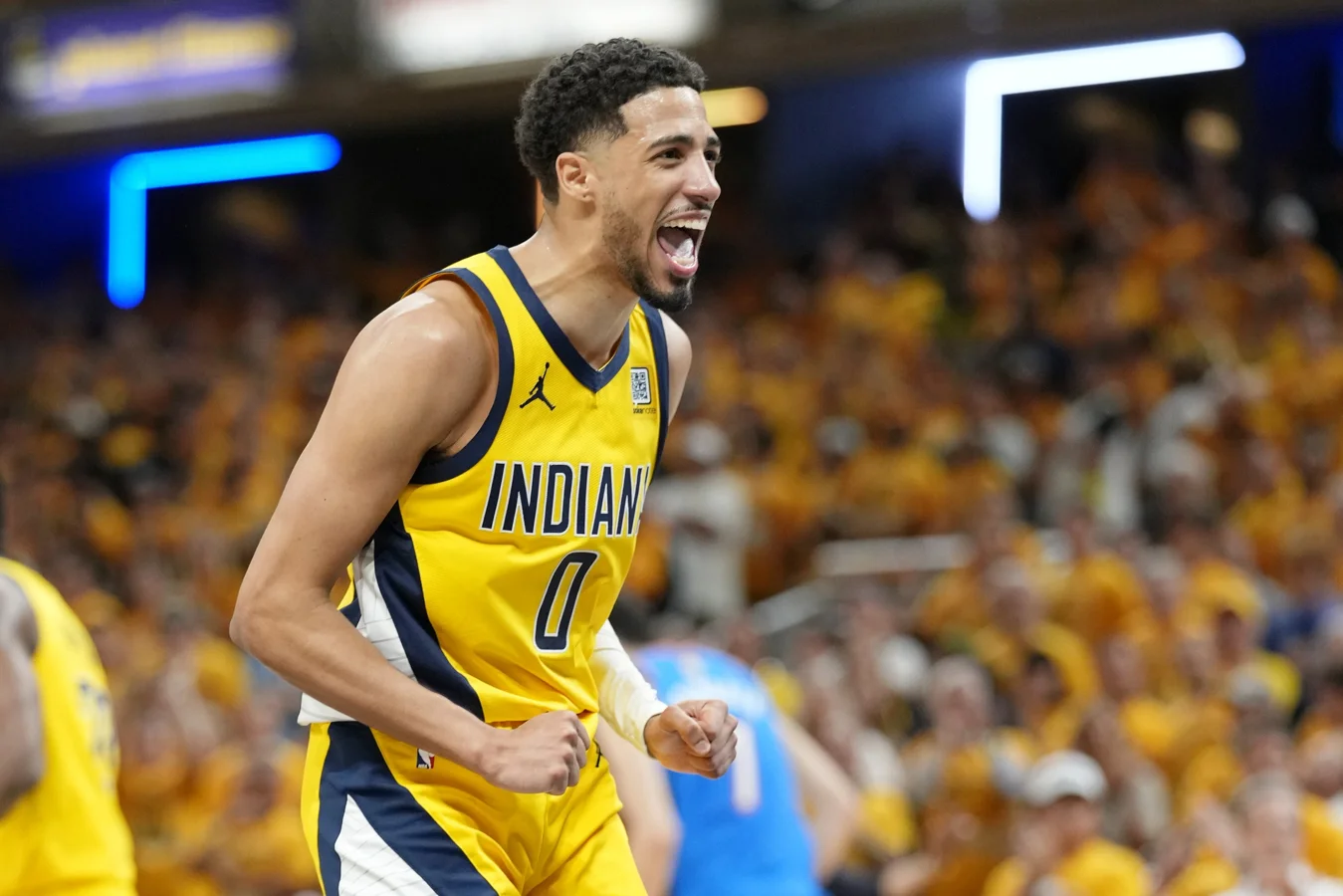
Wilbon didn’t stop at defending Haliburton alone; he criticized the broader sports media tendency to undermine athletes who perform through pain. He bluntly described those critics as “fools” and dismissed their commentary as “stupid.” During the segment, Wilbon and Isola recalled legendary NBA players such as Willis Reed and Isiah Thomas, who received widespread praise for playing injured, highlighting a double standard in how current players like Haliburton are treated.
The Wider Significance of Supporting Athletes Playing Injured
Athletes demonstrating grit by competing despite injuries often earn fans’ admiration, serving as inspiring examples of dedication and resilience. Yet, this episode revealed a division within sports media, where some analysts questioned Haliburton’s courage, contrasting with public sentiment that generally supports such perseverance. Wilbon’s vocal defense aimed to set the record straight and defend the spirit of competitiveness that fans cherish in the NBA Finals.
What’s Next for Haliburton and the NBA Finals Debate?
As the Pacers prepare for Game 6, the controversy surrounding Tyrese Haliburton playing through injury criticism serves as a reminder of the intense pressures athletes face during high-stakes moments. Wilbon’s intervention may influence how commentators approach similar situations moving forward, encouraging a more respectful appreciation for players’ efforts under duress. The conversation underscores ongoing tensions between athlete health, performance expectations, and media narratives in professional sports.