
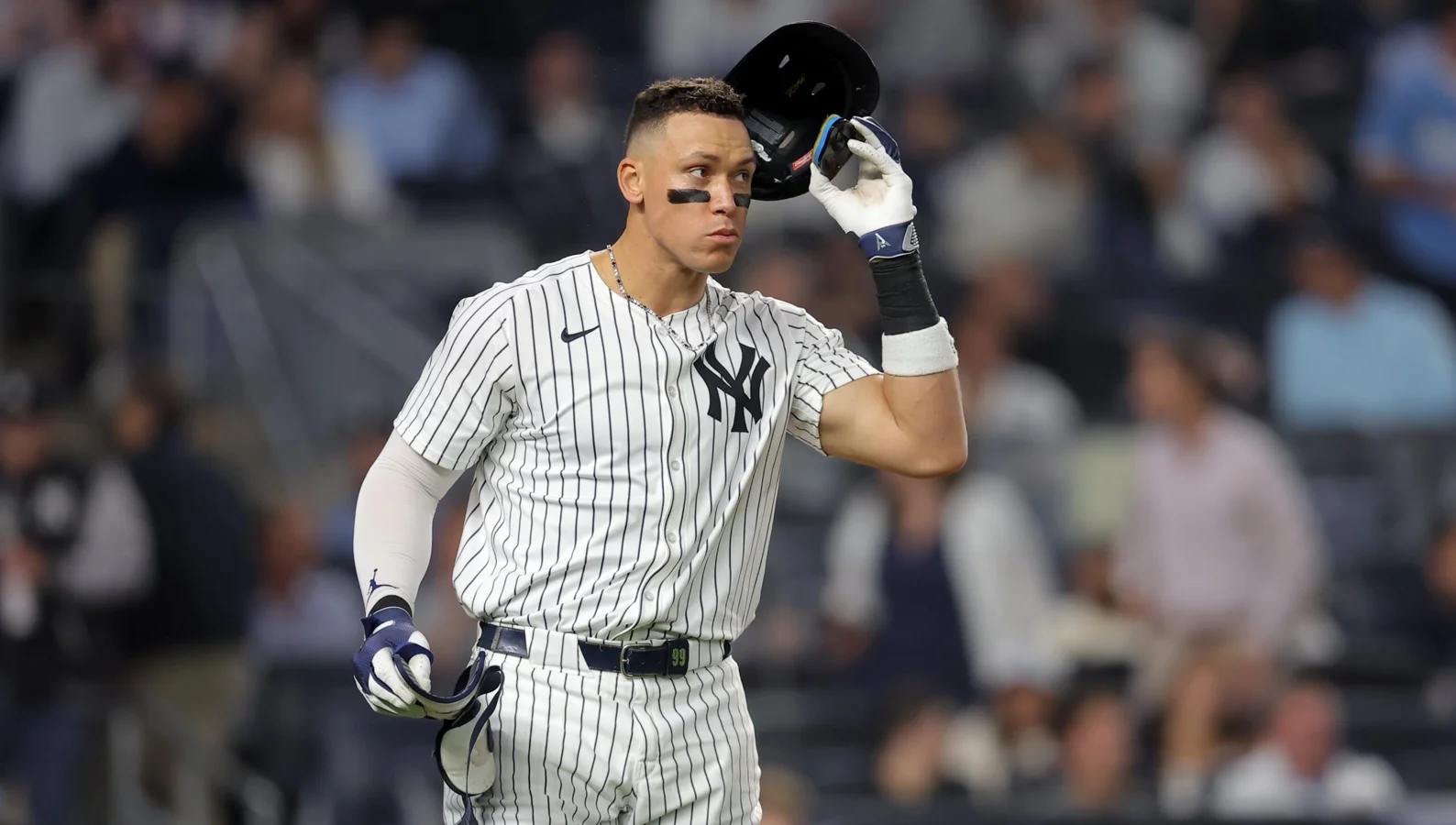

Aaron Judge continues to be the driving force behind the New York Yankees during the 2025 MLB season, leading in crucial categories like hits, runs, RBIs, batting average, on-base percentage, and slugging percentage. Even with a recent slump since April 12, which coincided with a six-game losing streak for the team, Judge’s impact on New York’s performance remains unmatched. However, the Yankees’ lead in the AL East has narrowed sharply, from a comfortable seven-game advantage to just two games, raising concerns about the team’s depth beyond their star slugger.
The 33-year-old star, boasting a 5.2 wins above replacement (WAR) rating, stands as the clear standout on the roster. Yet, this individual brilliance contrasts sharply with a faltering supporting cast, highlighting the growing dependence on Judge to carry the team through tough stretches. Such reliance underscores the larger issue within the Yankees’ roster construction and challenges faced by general manager Brian Cashman in building a balanced lineup capable of sustaining success throughout the season.
Departure of Juan Soto Exposes Yankees’ Offensive Vulnerabilities
One of the key reasons the Yankees are currently struggling is the absence of Juan Soto, who played a pivotal role in the 2024 campaign. Soto’s presence alongside Judge in 2024 resulted in a formidable offense that led to the Yankees clinching the AL East with 94 wins and breaking a long World Series drought. When Judge experienced slumps during the 2024 regular season and playoffs, Soto’s reliable hitting and on-base skills alleviated pressure and helped maintain the team‘s competitive edge.
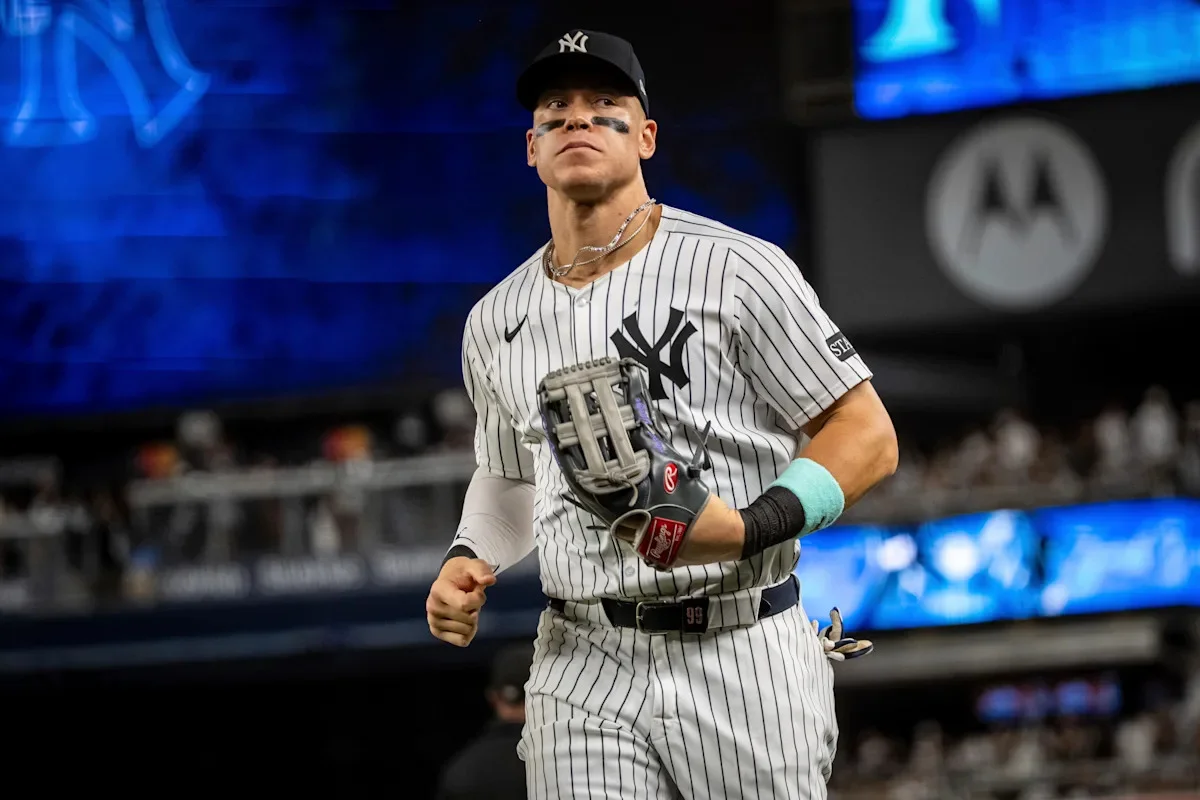
The Yankees’ front office clearly recognized Soto’s value, reportedly offering him a $760 million contract in free agency—a near match to the deal he accepted with the New York Mets. However, with Soto now a rival player, the Yankees lack the complementary offensive star to shoulder part of the scoring load, leaving Judge to bear the brunt of the team’s offensive production.
Unsuccessful Attempts at Replacing Juan Soto’s Contributions
Following the failure to re-sign Soto, the Yankees targeted Kyle Tucker as a similar offensive talent. Unfortunately, their pursuit fell short when the Houston Astros demanded top prospects George Lombard Jr. and reigning AL Rookie of the Year Luis Gil in exchange, which New York declined. Tucker subsequently joined the Chicago Cubs, where he has maintained a strong performance with a .909 OPS through 2025. Meanwhile, the Yankees have found themselves without a comparable offensive asset to fill the void left by Soto.
Cashman’s alternative approach involved adding players like Paul Goldschmidt and Cody Bellinger to pair with Judge, alongside enhancing pitching with Max Fried and Devin Williams. While Fried has exceeded expectations with a 9-2 record and a stellar 1.89 ERA, Williams has struggled significantly in the bullpen. Offensively, Goldschmidt and Bellinger have contributed to the team‘s recent slump, posting underwhelming numbers since May 30.
The combined performance of Bellinger, Goldschmidt, Trent Grisham, Anthony Volpe, Ben Rice, and Jasson Domínguez has dropped from a collectively strong 131 weighted runs created plus (wRC+) to a below-average 73 since the end of May. This decline highlights the aging of former MVPs Bellinger and Goldschmidt, the inconsistent performance of Grisham, and the limitations of younger talents like Volpe, Rice, and Domínguez who initially outperformed expectations but are now facing regression.
The Limits of Relying on Emerging Talent and Injury-Prone Veterans
Jazz Chisholm Jr. and Giancarlo Stanton represent potential sources of offense and hope for the Yankees. However, both players have histories marked by frequent injuries and inconsistent stretches at the plate, making their contributions unpredictable. Their health and ability to maintain performance will be crucial as the summer progresses, but relying heavily on such volatile players adds risk to the Yankees’ playoff prospects.
Roster Decisions and Trade Market Challenges Create Pressure on Yankees
The Yankees’ challenges stem directly from roster decisions made in the offseason. General manager Brian Cashman initially recognized the need to replace or replicate Juan Soto’s offensive impact, yet his later scattershot trades failed to secure a true game-changer. This mismatch between vision and execution has left the Yankees increasingly reliant on Judge’s exceptional production.
Despite running over the $301 million luxury tax threshold set by the so-called Cohen tax, the team’s current payroll is still $15 million less than last year’s final tally. The Yankees also retain promising prospect capital, notably Spencer Jones, who is having a strong season at Double-A, offering a glimmer of long-term potential.
With the July 31 trade deadline approaching, the Yankees must narrow their priorities, particularly focusing on acquiring a solid everyday player for the infield. Ryan McMahon of the Colorado Rockies stands out as a prime candidate, boasting a career-best OPS+ in 2025 and having been on the Yankees’ radar previously. Other third-base options include Nolan Arenado, Eugenio Suárez, and Yoán Moncada, while second base targets include Luis Arraez and Brendan Donovan. If the Yankees consider upgrading their outfield, Luis Robert Jr. and Taylor Ward are possibilities.
However, competing with AL East rivals like the Tampa Bay Rays, who control several coveted trade assets including Jarren Duran, Wilyer Abreu, Cedric Mullins, Bo Bichette, and Brandon Lowe, makes securing impactful trades difficult. These teams have little incentive to strengthen a direct competitor, adding complexity to Cashman’s task.
Major Moves Needed to Secure Future Dominance in AL East
While moderate upgrades could help, none of the available options match Juan Soto’s game-changing caliber. Adding players like McMahon or Arenado would amount to piecing together a collection of parts rather than restoring the dynamic offensive balance the Yankees once had. To truly regain dominance, Cashman must consider bolder acquisitions, potentially exploring top-tier stars like José Ramírez, Marcus Semien, or even Mike Trout, following the example of San Francisco Giants president Buster Posey’s aggressive approach in the trade market.
The Yankees are currently on pace to repeat their 94-win total from last season, which might suggest their strategy surrounding Aaron Judge is effective. Yet, this outcome heavily relies on Judge shouldering a disproportionate portion of the team’s success—34 percent of offensive WAR compared to 30 percent in 2022. This uneven burden presents a clear warning sign about the fragility of their current roster.
If Judge’s workload grows unsustainable, the Yankees could face a significant downturn, jeopardizing their chance to repeat as AL East champions. The tension surrounding the team’s future direction places urgency on Brian Cashman and ownership to re-evaluate their roster construction before the playoff race intensifies.
Looking Ahead: Yankees’ Prospects and the Need for Strategic Adjustments
As the season progresses and the trade deadline approaches, the Yankees have opportunities to recalibrate their roster. Removing a talented rival like Rafael Devers from the AL East, through the Boston Red Sox’s recent trade, slightly improves New York’s chances. Yet, the progress of the Tampa Bay Rays and Toronto Blue Jays continues to increase pressure within the division.
Moving forward, the Yankees’ ability to balance Aaron Judge’s extraordinary output with effective supporting players will define their chances for sustained success. The organization faces a critical juncture in deciding whether to pursue game-changing acquisitions or rely on incremental improvements to maintain their position atop the AL East.