
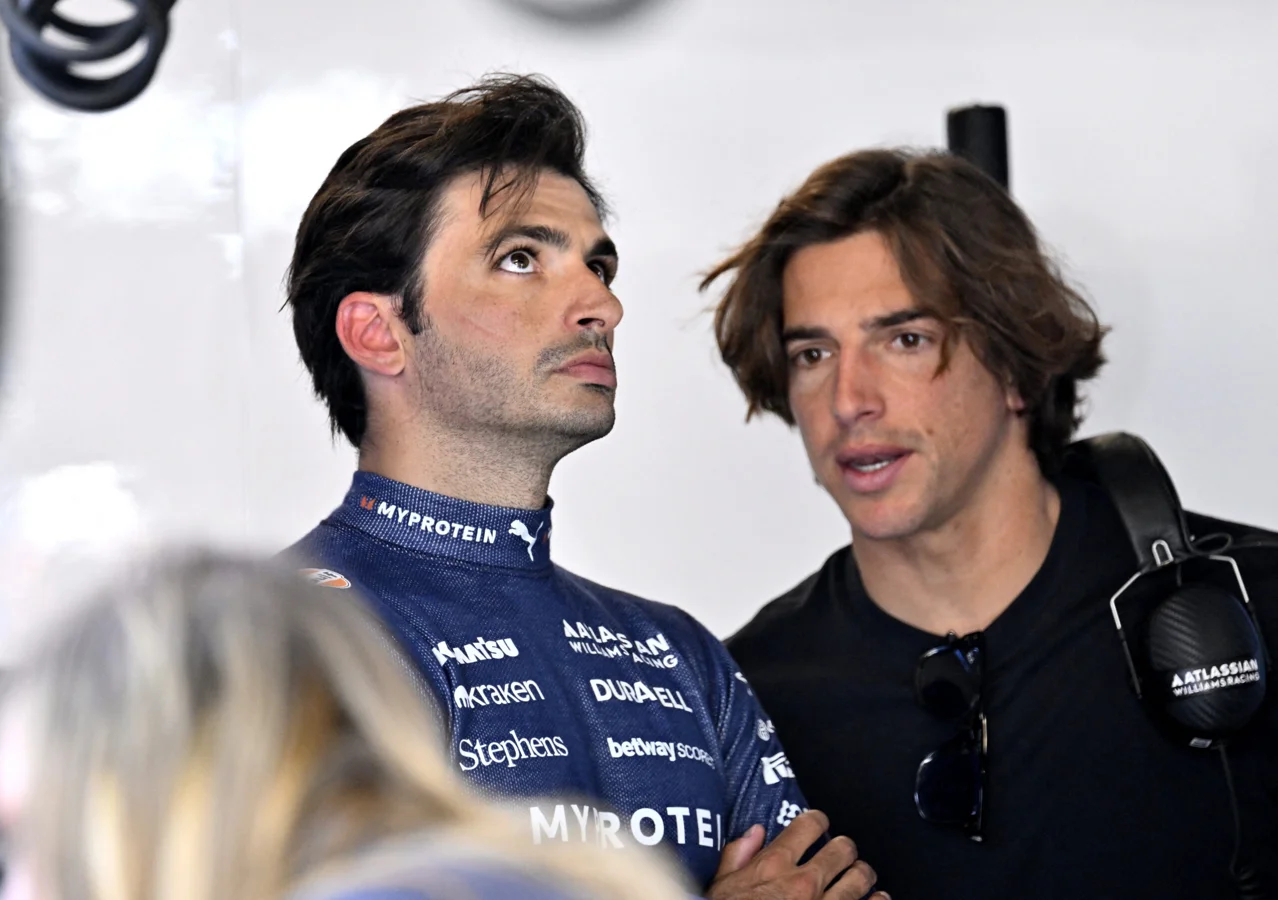

Work on Madrid’s eagerly awaited 2026 Spanish Grand Prix circuit is progressing steadily despite strong opposition from local residents. The Madring circuit, scheduled to host its inaugural Formula 1 race next September, is advancing amid controversy surrounding its impact on the surrounding neighborhood. This project has sparked a vigorous debate involving residents, organizers, and officials.
One of the circuit’s standout features is La Monumental, a challenging steep banking turn paired with a large grandstand, currently in the early stages of construction. This section requires substantial earthmoving to form a demanding 24 percent incline that stretches 540 meters in length, showcasing ambitious engineering efforts.
Project Workforce and Schedule Ahead of Expectations
Presently, about 85 workers are engaged at the site, with plans to expand the team to around 400 as construction intensifies across different sections. Progress is reportedly ahead of schedule, with the Valdebebas section anticipated to finish by August, a full month earlier than originally planned. This accelerated timeline offers hope that the circuit will be ready on time for the 2026 race season.
Innovative Design Aims to Minimize Track Controversies
The circuit’s design, led by Dromo, intends to resolve common problems faced by other racing venues, especially concerning track limits. Luis Garcia Abad, the circuit’s general manager, has stressed that building a new track from the ground up allows the team to avoid inherited issues and reduce disputes related to these limits throughout the race event.
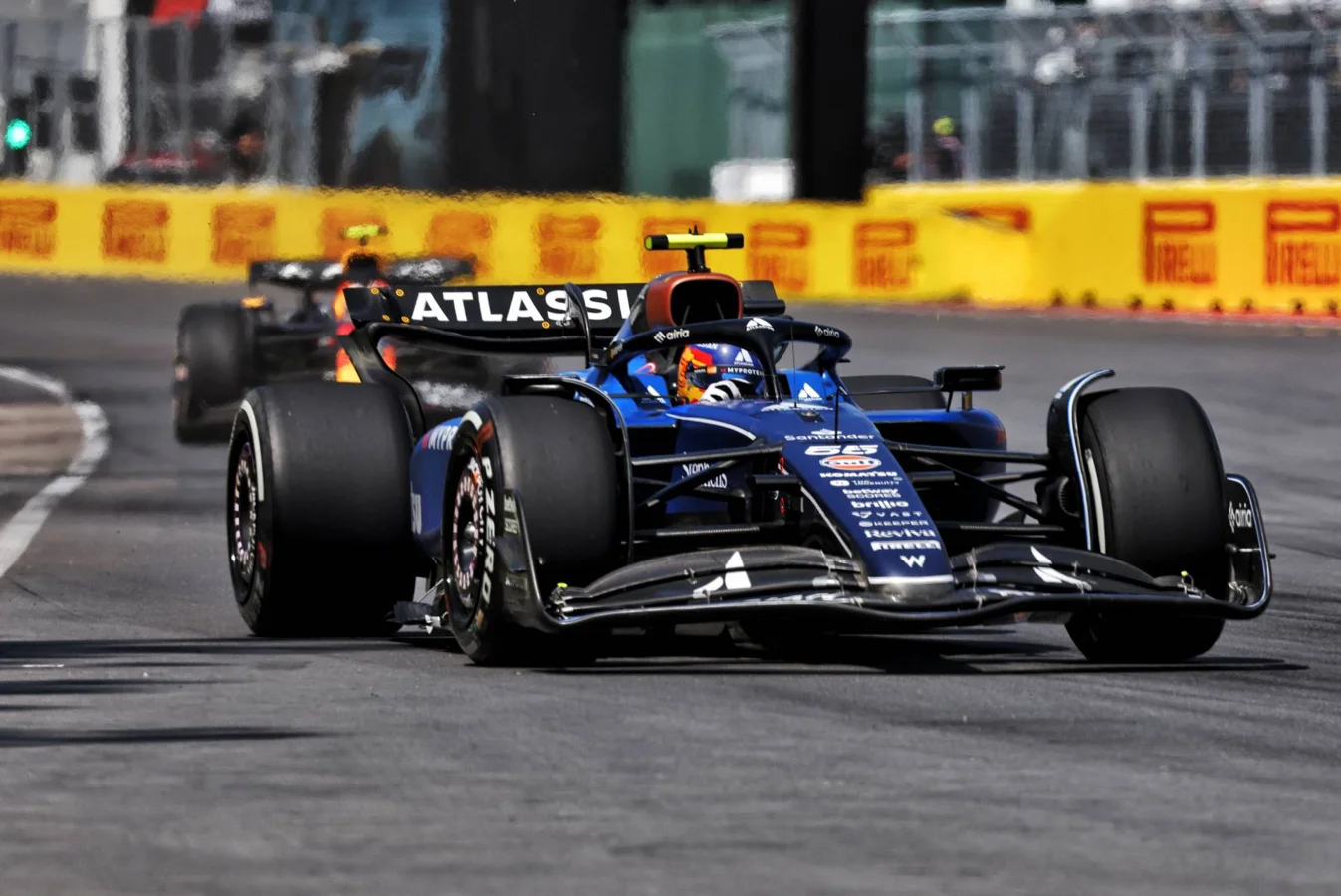
Spanish Formula 1 driver Carlos Sainz, serving as the official ambassador for the Grand Prix, has contributed valuable insights throughout the design process. Working with the FIA, several corners have been modified to improve both the challenge for drivers and the overall racing spectacle.
Local Opposition and Legal Challenges Addressed
Despite these advancements, local opposition remains vocal. The Mas Madrid political party filed a legal challenge expressing concern about environmental damage, noise pollution, and the disruption the circuit may bring to the area’s residents. However, Madrid’s high court recently dismissed this challenge, allowing construction to continue unabated.
Efforts to Ensure Community Engagement and Sustainability
Organizers are actively seeking to maintain a cooperative relationship with the local community by holding regular monthly meetings to discuss developments and address resident concerns. Sustainability initiatives are also being put in place to help integrate the circuit respectfully into the city’s fabric and mitigate its environmental footprint.
Looking Ahead to Madrid’s Racing Future
While Madrid’s Grand Prix circuit faces significant hurdles, the commitment of organizers, supported by voices like Carlos Sainz and Luis Garcia Abad, remains firm to deliver a top-tier racing venue. The project stands as a testament to balancing innovative sport infrastructure with community concerns, aiming to establish Madrid as a prominent destination on the Formula 1 calendar.
“Track limit controversies will be minimized, thanks to the circuit being built from scratch without inheriting outdated solutions.”
—Luis Garcia Abad, General Manager
“Together with the FIA, adjustments to certain corners have been made to enhance the racing experience and make the circuit more challenging for drivers.”
—Carlos Sainz, Official Ambassador