
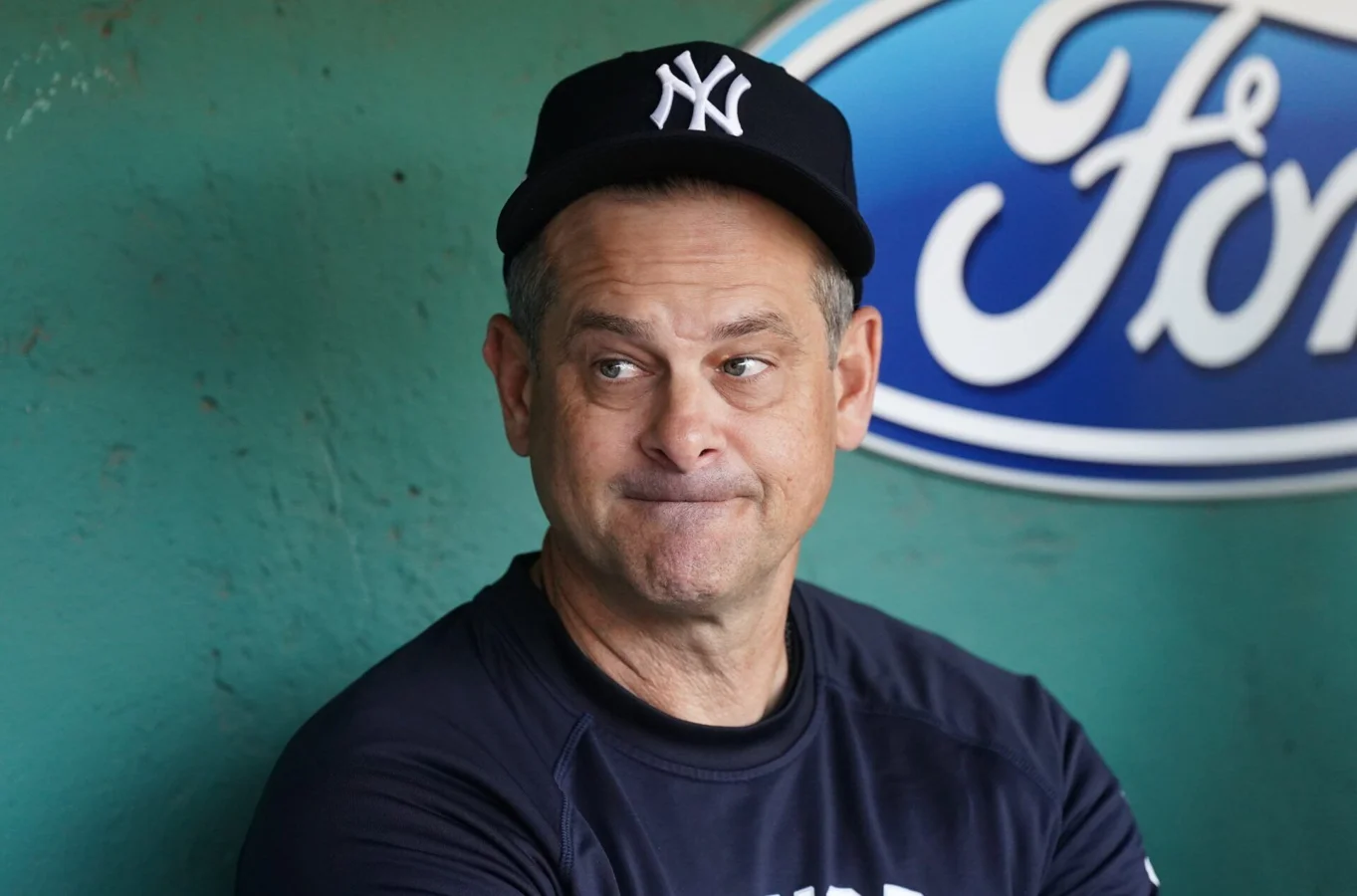

During the June 19, 2025 game between the New York Yankees and the Los Angeles Angels, Cody Bellinger became the center of a highly contentious MLB umpiring decision, sparking widespread frustration among fans and commentators. Bellinger was ruled out on a force out, a call that was immediately questioned both on the field and upon replay review. Despite video evidence suggesting Bellinger was safe, the umpires upheld the original call, igniting uproar, especially among Yankees supporters who viewed the decision as an egregious error that defied logic and fairness.
This incident exemplifies the growing controversy surrounding the MLB’s review process, with many fans and analysts accusing the league of inconsistent officiating and a lack of accountability that threatens the integrity of the sport.
Detailed Breakdown of the Controversial Call
The disputed play occurred during a crucial moment of the Yankees versus Angels match, where the force out was initially signaled by the on-field umpire. In the split-second decision, Bellinger appeared to touch the base before the tag was applied, which should have resulted in him being called safe. The Yankees immediately challenged the call, referring the judgment to the replay center for further examination. However, in a surprising and frustrating turn, the replay officials upheld the original ruling, leaving viewers and fans baffled by the refusal to overturn the call despite clear angles suggesting otherwise.

This controversial umpiring decision exemplifies the tension between human error and technological oversight, especially given the high-definition replay equipment available to officials. Many viewed the failure of the replay booth to correct the call as an indication of deeper issues within MLB’s officiating protocols.
Fan Reactions: A Storm of Disbelief and Anger
The fans’ response in Yankee Stadium was swift and passionate, bordering on fury. Supporters vented their disbelief and frustration across social media, lambasting both the on-field umpires and the replay officials for their handling of the call. One fan noted,
You can see it’s hard to play to make on field. Replay booth has no excuse
expressing disappointment not just in the split-second on-field decision but especially in the replay booth’s failure to correct the mistake. The widespread sentiment was that the replay system, intended to ensure fairness and accuracy, had instead reinforced an erroneous call.
Other fans underscored the embarrassment of such errors occurring despite modern technology. A common refrain was captured in the comment,
SMH. How do they not see this with all the technology they have in the replay center?
highlighting the disbelief that the replay center couldn’t recognize what appeared evident to viewers: Bellinger was safe on the play.
Adding to the outrage, some supporters pointed out recurring inconsistencies affecting Bellinger throughout the game. One fan remarked,
He also shoulda been out here too,
referring to previous umpiring decisions where pitches clearly in the strike zone were called balls. This amplified frustration over an erratic strike zone and unpredictable calls, feeding a perception of arbitrary umpiring.
Calls for Umpiring Accountability and Transparency
The trend of controversial umpiring decisions is not new in Major League Baseball, but this latest incident involving Cody Bellinger has intensified calls for reform. Historical precedents such as Jerry Meals’ notorious missed call against the Yankees in 2012 and Doug Eddings’ errant rulings in a Cubs-Tigers game demonstrate a pattern of critical errors that often go unpunished. Many fans and analysts believe that MLB’s reluctance to take responsibility emboldens repeated mistakes and undermines confidence in the fairness of officiating.
The general consensus is that MLB’s replay system—rather than serving as a fail-safe—has become another layer of confusion and inconsistency. As one frustrated fan put it,
Don’t wanna hurt the ump’s feelings
suggesting that umpires’ egos and internal politics might influence whether obvious mistakes are corrected. This perceived collusion or protection perpetuates fan anger and damages the credibility of the sport’s governing bodies.
Additional Controversy: Runner Interference Dispute
Compounding the frustration was a separate aspect of the play involving potential runner interference. Several fans contended Bellinger should have been called out for interference, as he appeared to obstruct the throw by raising his arm in front of the opposing player, Neto. One disgruntled viewer stated,
He should have been out on a runner interference anyway. He clearly threw his hand up in Neto’s face to affect the throw,
highlighting another layer of dispute that was never addressed during the review.
This uncalled interference added fuel to the argument that MLB officials not only make wrong calls but also neglect to enforce the rules consistently, leaving fans and teams questioning how such critical plays are managed.
Historical Context and Broader Implications
Fans and commentators see the Bellinger call as emblematic of a troubling transformation in MLB umpiring standards. What was once perceived as the “human element” allowing for minor errors is now increasingly viewed as systemic failure, affecting game outcomes and playoff destinies. As controversial calls become more frequent and visible, the question arises: how much longer can the league ignore demands for transparency, accountability, and reform?
If such officiating inconsistencies continue unchecked, the sport risks alienating its fan base, players, and teams who expect fairness and precision. The replay booth, originally intended to correct mistaken calls, appears to have devolved into a mechanism that sometimes amplifies confusion, eroding trust rather than restoring it.
What This Means for Cody Bellinger and the Yankees Moving Forward
For Cody Bellinger and the New York Yankees, the ramifications of this controversial umpiring call could extend far beyond the immediate game. Should the Yankees lose this match, many will attribute the defeat in part to this critical error, potentially triggering a cascade of consequences for playoff positioning and team morale. The incident reinforces a broader narrative of unfair treatment and questionable officiating that the Yankees and their fans have endured in past seasons.
More importantly, this event puts pressure on MLB to revisit and reform its replay and umpiring procedures, as fans and players alike demand a system that prioritizes accuracy over tradition or egos. Until meaningful changes are implemented, once-clear plays like the one involving Bellinger will continue to divide opinion and threaten the integrity of the game.