


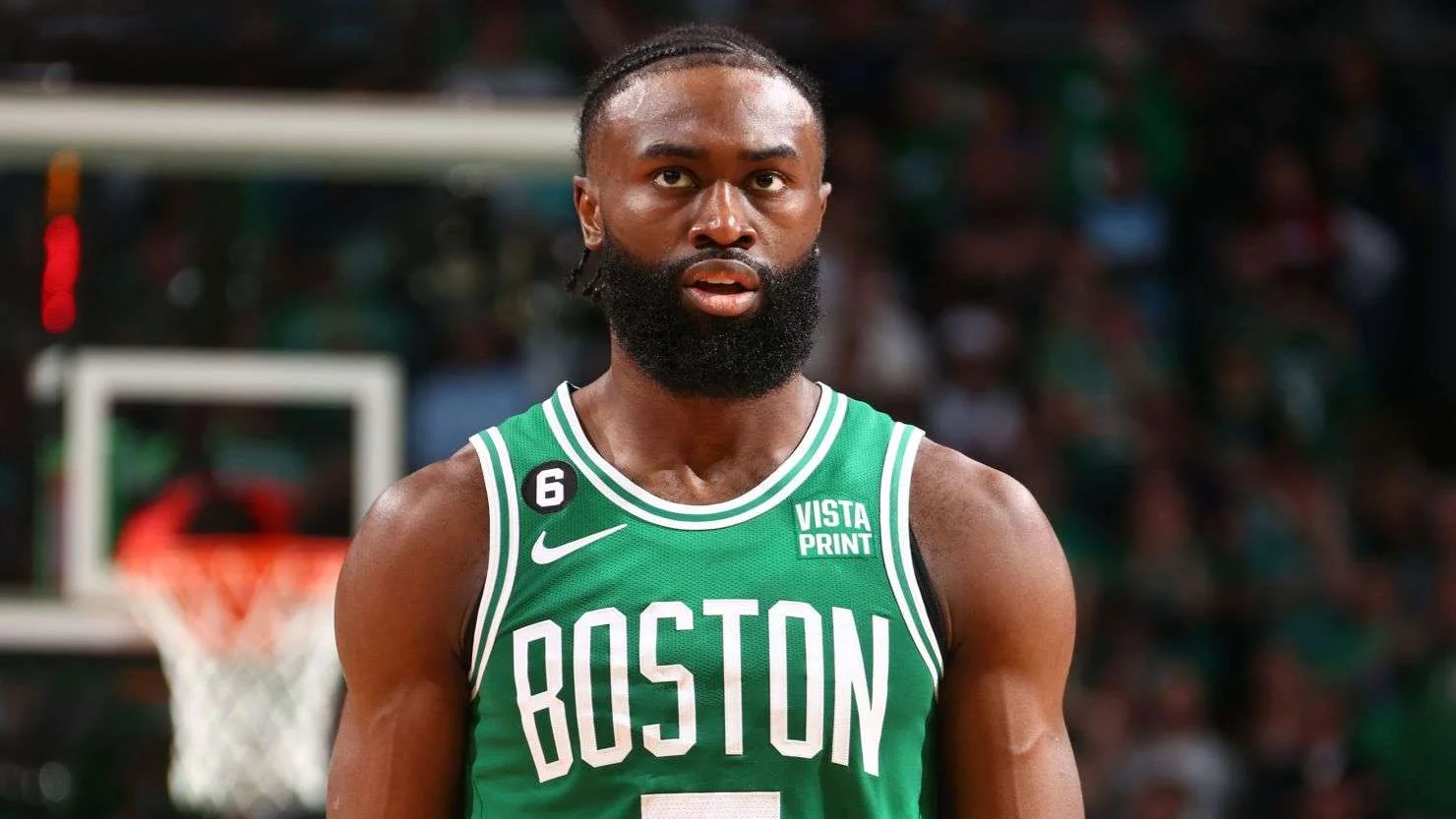
The path to NBA championships often begins long before playoff action, with the draft playing a critical role. For the Boston Celtics, the development of Jaylen Brown and Jayson Tatum, both draft selections, has been central to their rise as championship contenders. This focus on cultivating young talent has become essential as the free agent market offers fewer genuine superstars.
The Growing Importance of Drafting Elite Talent
In recent years, acquiring superstar players via trade or free agency has become increasingly difficult, emphasizing the draft’s role in shaping championship teams. Trades involving star athletes rarely happen unless a player requests to leave or under extraordinary circumstances, as seen with Luka Doncic. By drafting and nurturing prospects like Brown and Tatum, the Celtics have secured players who fit both their culture and strategic direction.
The Celtics’ approach mirrors that of other successful franchises, such as the Denver Nuggets, who relied on homegrown talent to fuel their championship victory. With the NBA landscape evolving, teams now prioritize building roster depth and addressing weaknesses through the draft to maintain sustained success.
The Mechanics of the NBA Draft
The NBA Draft, held annually in late June, functions as the league’s primary method for distributing new talent to teams. It occurs between the end of the NBA Finals and the start of free agency, where 60 players are typically selected over two rounds. Each team generally receives one first-round and one second-round pick, though trades can alter this distribution by transferring picks years in advance.
At times, penalties or sanctions can reduce the total number of available draft selections. The draft’s structure ensures a competitive balance, giving teams, especially those rebuilding, a chance to identify and sign promising players.
Challenges and Opportunities in the Draft Process
For aspiring NBA players, the draft represents a pivotal and challenging moment. Candidates undergo multiple evaluations and tests designed to highlight their skills for team scouts and executives. Players not selected in the draft remain free agents, able to sign with any team that extends an offer, creating another avenue into the league.
Current collective bargaining agreements have heightened teams’ focus on developing roster depth, making the draft crucial not only for securing star talents but also for identifying reliable role players who contribute meaningfully in playoff runs. Consequently, successful franchises increasingly depend on thorough scouting and drafting to maintain competitive advantage.
The Impact and Legacy of Tatum and Brown Within the Celtics
Jayson Tatum and Jaylen Brown exemplify the Celtics’ draft and development philosophy, illustrating how homegrown players can become franchise pillars. Both have demonstrated resilience, dedication, and continuous growth, translating their draft potential into impactful NBA careers. Their leadership and on-court presence have helped the Celtics remain a perennial contender, inspiring future prospects and fans with their accomplishments.
The Draft’s Lasting Role in Shaping Championship Teams
As the NBA progresses, the draft remains a vital tool for teams aiming to build and sustain excellence. The stories of Brown and Tatum reinforce the idea that championship-caliber players often emerge from draft selections taken years earlier. This demonstrates the draft’s enduring significance as franchises plan for future success and the cultivation of basketball’s next generation of stars.