
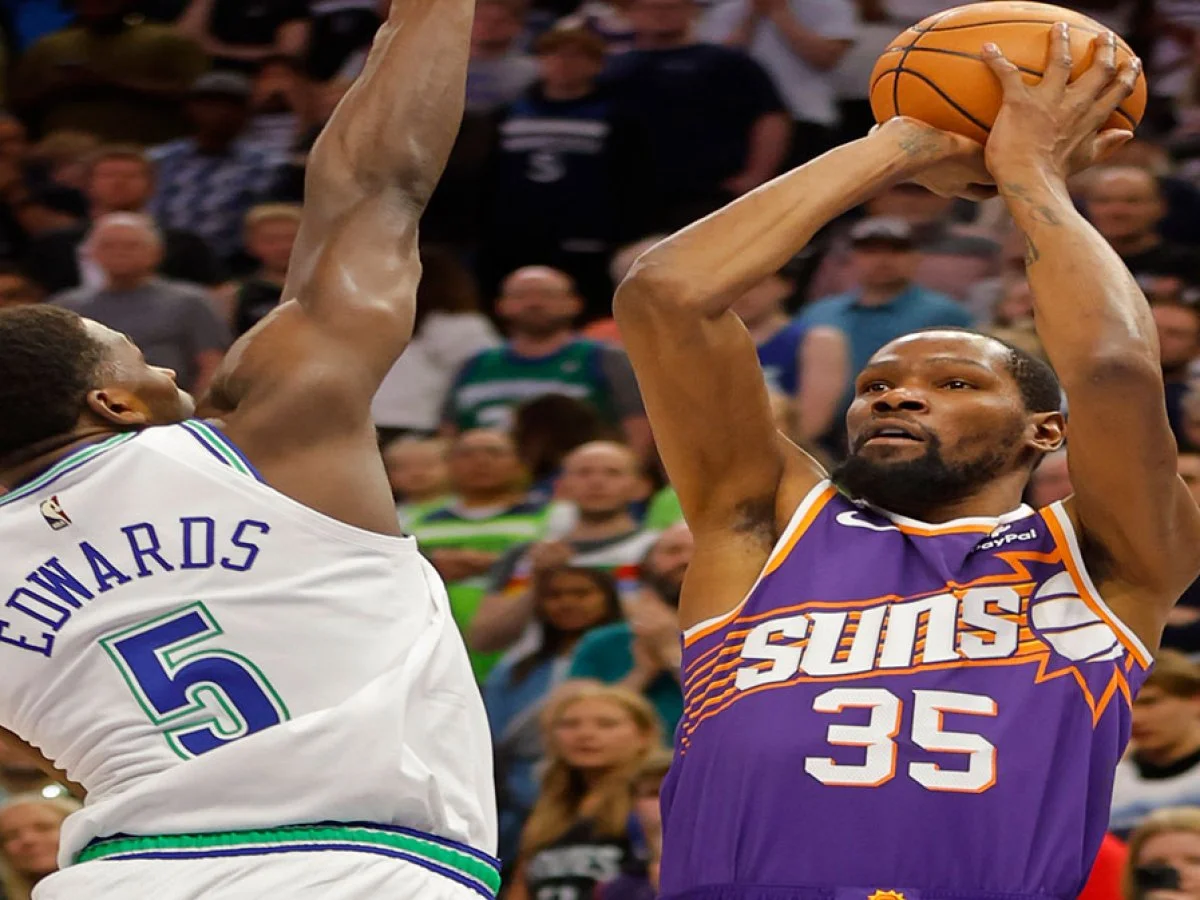

The ongoing Kevin Durant trade saga has taken an unexpected twist as the Phoenix Suns reconsider their options, moving toward a potential deal with the Minnesota Timberwolves. This development unfolds amid growing complications and shifting priorities in the trade market for the 36-year-old All-Star, whose departure remains uncertain as of this week.
Durant’s trade contention involves multiple teams, but the Suns face difficulty matching their high valuation with the offers currently available, particularly as Minnesota’s involvement gains traction. This situation illustrates the delicate negotiations and strategic recalibrations tied to a high-profile NBA trade.
Teams’ Varied Perceptions of Durant’s Value
Initially, Phoenix expected a straightforward process to find Durant a new team. However, the reality has proven more tangled, as interested teams are not valuing Durant as highly as the Suns had anticipated. This gap between expectations and offers has caused frustration within the Suns’ front office, complicating the trade talks.
Among the multiple suitors, the San Antonio Spurs are recognized by Durant as a preferred destination. Nevertheless, Phoenix appears to be shifting its attention primarily to Minnesota, hoping to capitalize on what the Timberwolves can provide in return. Yet, Minnesota remains cautious, unwilling to proceed without Durant’s clear commitment to sign a contract extension following the trade.
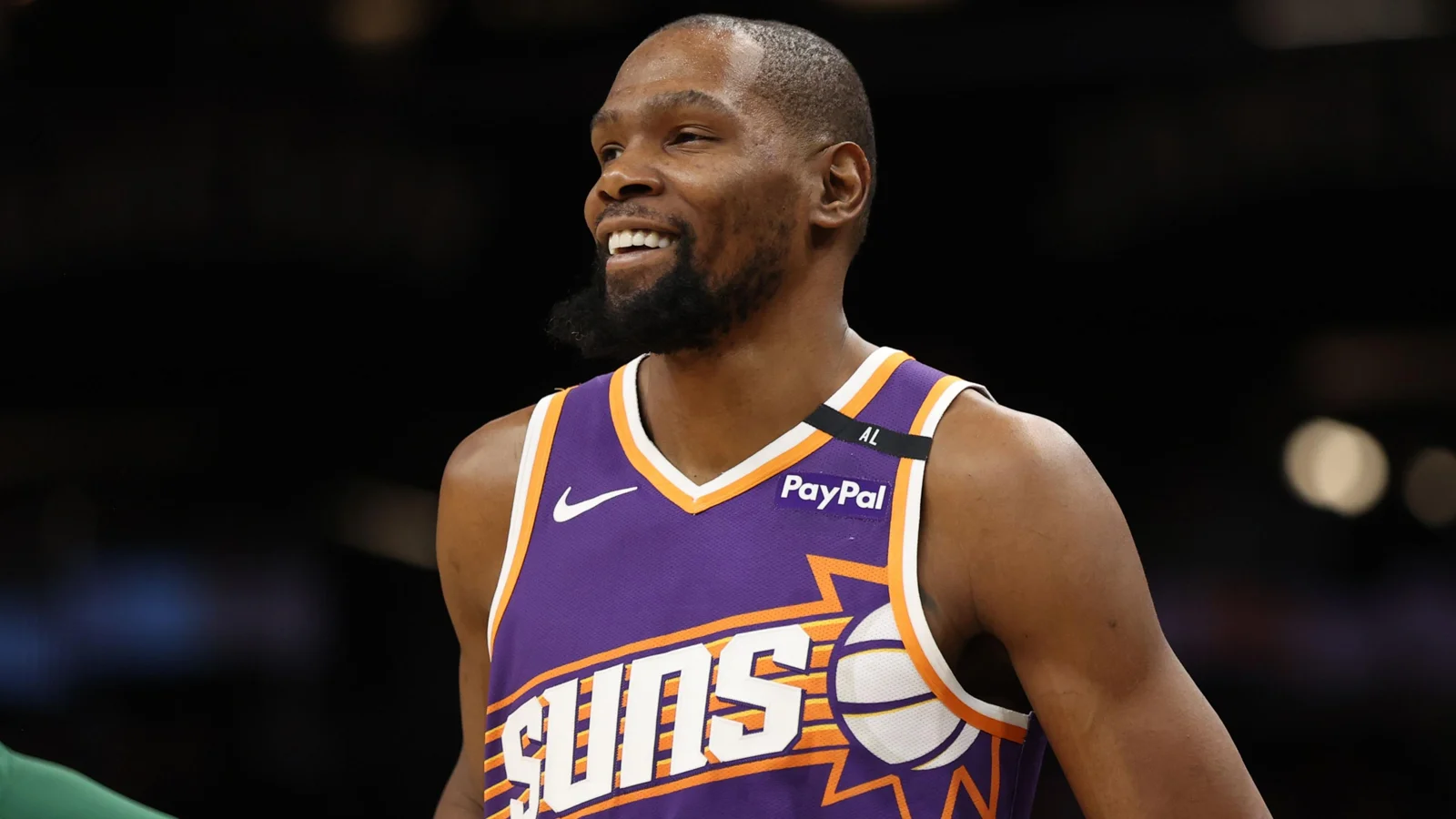
Details of Minnesota Timberwolves’ Trade Proposal
The Timberwolves have presented a comprehensive package aimed at persuading the Suns, including veteran center Rudy Gobert, guard Donte DiVincenzo, a choice between promising prospects Rob Dillingham or Terrance Shannon Jr., plus the No. 17 pick in the upcoming NBA draft. This offer is considered one of the most attractive currently available to Phoenix.
Still, the Suns face a critical issue: trading Durant without certainty about his intention to remain with Minnesota long-term puts them at risk of losing leverage. Given Durant’s current contract expires after this season with a $54.7 million salary, he is expected to pursue an extension valued at approximately $120 million over two years once traded.
Balancing Immediate Returns with Long-Term Franchise Strategy
The Suns’ management navigates a tough balance — they must achieve a trade return that reflects Durant’s elite caliber while factoring in his age and the potential for diminishing performance. Executives remain hopeful that Durant will view Minnesota as a suitable landing spot, enabling a trade that preserves Phoenix’s competitiveness.
At the same time, the organization weighs the urgency of finalizing a deal with the prudence of patience, fully aware that this decision will impact the franchise’s future direction. The evolving negotiations underscore the intricate challenges NBA teams face when handling star players, whose status influences multiple facets of franchise planning and league dynamics.
Impact of the Trade Deadline and Future Prospects
As the NBA trade deadline approaches, the Suns’ decisions regarding Durant will carry significant implications beyond just the immediate season. The outcome will help define the team’s roster foundation and competitive prospects in the coming years.
The trade saga not only highlights the complexities of contemporary NBA negotiations but also the delicate interplay of player preferences, team valuations, and strategic timing. Ultimately, this unfolding situation will be closely watched by fans and analysts alike, illustrating how star power shapes franchise futures across the league.
“Kevin Durant left speechless as DeMarcus Cousins reveals explosive Suns locker room fight before issuing warning” —DeMarcus Cousins