
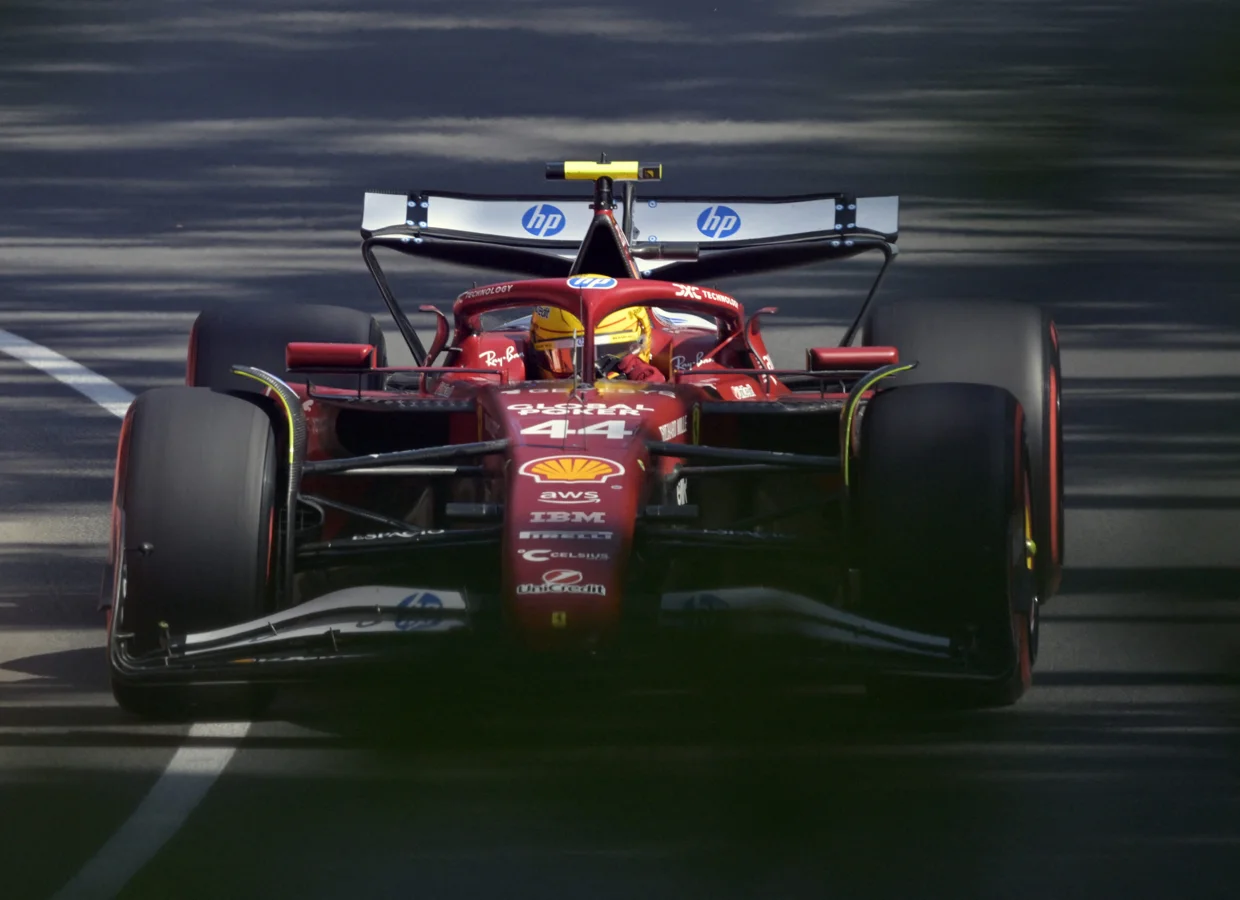

Lewis Hamilton’s Canadian Grand Prix race was significantly compromised after he struck a groundhog on the track, severely damaging the right side of the Ferrari SF-25’s floor. This incident occurred during the race weekend and had a direct impact on his car’s performance, forcing Hamilton to focus more on finishing the race rather than competing aggressively.
The damage was estimated to have cost around 20 points of downforce, which is a critical factor for the car’s aerodynamic efficiency and handling during the race. Hamilton’s engineer Riccardo Adami confirmed the loss of downforce was detrimental, while the driver himself noted the extent of the structural harm after the race.
The Importance of Floor Integrity in Modern F1 Cars
The floor plays a pivotal role in the performance of current Formula 1 cars, particularly those with ground effect aerodynamics that rely heavily on underfloor airflow. Over the past four seasons, teams have developed methods to reduce issues like porpoising and bouncing, making ride height and floor condition crucial for optimal race setup.
Damage to any part of the floor can alter the car’s handling characteristics significantly, complicating its drivability. In Hamilton’s case, the damage to one side of the floor altered the balance and performance of the SF-25, making his race much more challenging.
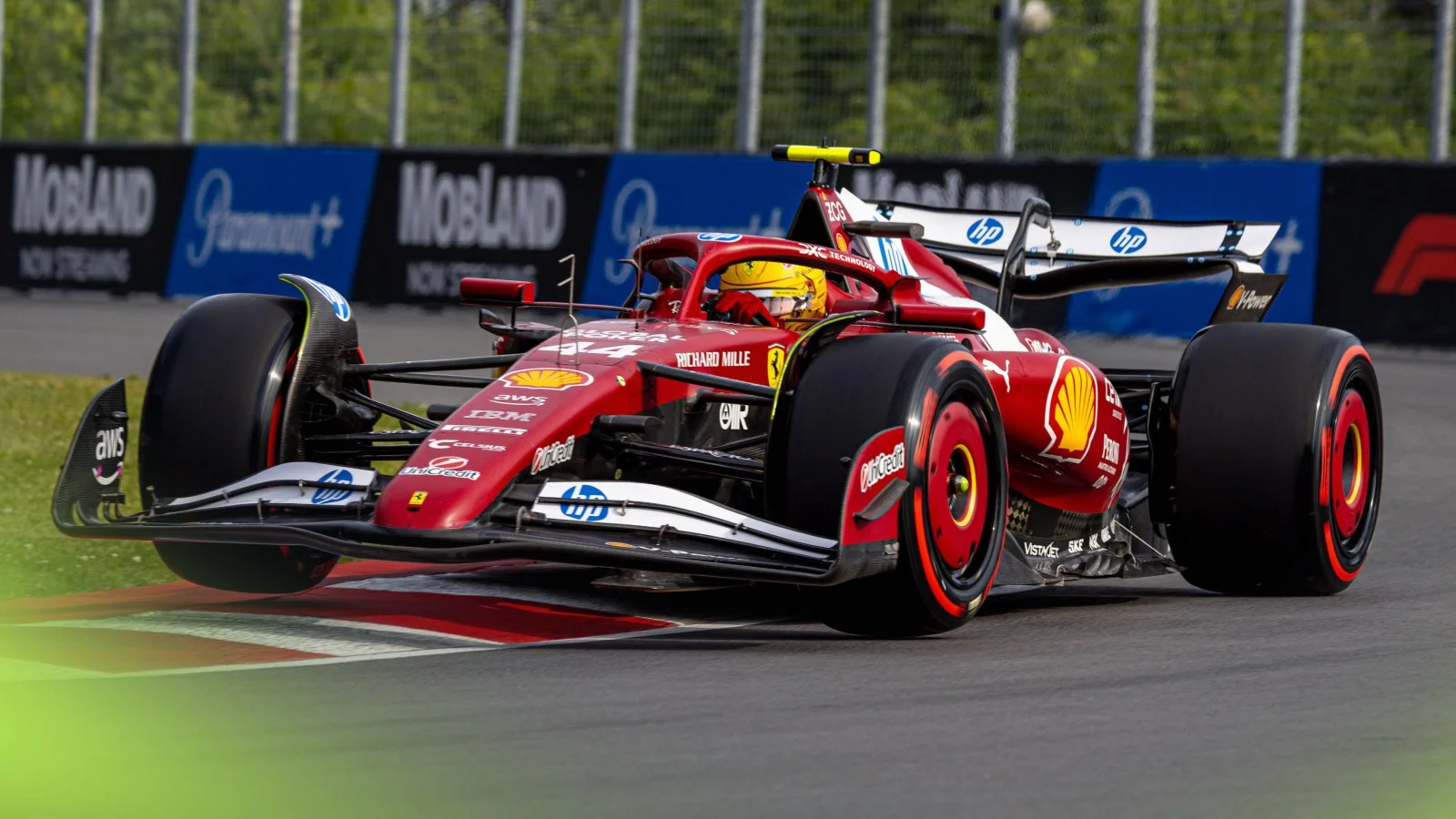
Specific Damage Confirmed During the Canadian GP
Riccardo Adami, Hamilton’s race engineer, confirmed the performance drop due to the damage during the race, stating,
“Confirming we do see a loss of downforce in the car, or damage perhaps. Twenty points missing,”
Adami said.
After the race, Hamilton inspected the car and described the damage clearly:
“The floor basically, the right side, there’s a hole in it and the vanes are all gone.”
This loss of downforce was assessed by the team as a roughly 20-point deficit, which could translate to nearly half a second slower per lap. However, the exact lap time impact varies based on other race conditions and track circumstances.
The visible damage included obliteration of the inboard floor fence—the component generally positioned above the floor’s leading edge aiding airflow. The central floor fence also suffered significant destruction, with only remnants visible. The floor vanes, which extend under and around the floor’s sides, appear to have sustained further unseen damage, worsening aerodynamic losses.
Hamilton’s Performance Amid Additional Challenges at the GP
Despite the damage, Hamilton’s race showed moments of promise until the incident. He started strong, maintained position in the pack, and managed his tires effectively, which kept his hopes alive early on. However, he also faced a brake issue mid-race and a strategic misstep involving a delayed pit stop that left him trapped behind slower cars.
Hamilton reflected on the sequence of difficulties:
“So, given that, we had a brake issue halfway through as well, and then we stayed out probably too long in the first stop and came out behind traffic, and just went from one thing to another.”
Interestingly, despite the damage, the car did not demonstrate significant instability or discomfort from unwanted aerodynamic behavior, which could have made the race far worse for Hamilton. Instead, he relied on his experience to adapt and manage the compromised car throughout the race distance.
Implications of the Damage and What Comes Next for Ferrari
The groundhog incident spotlighted how vulnerable contemporary F1 cars are to seemingly minor track hazards, as damage to the floor can quickly degrade downforce and race pace. For Ferrari and Hamilton, the event was a frustrating setback but also demonstrated the team’s resilience and the driver’s adaptability under pressure.
Looking ahead, Ferrari will likely examine the floor’s design and durability under race conditions to reduce the risk of similar damage. Meanwhile, Hamilton’s ability to extract a solid result in adverse circumstances underscores his ongoing value to the team and hints at the challenges Ferrari must overcome to secure consistent victories this season.