
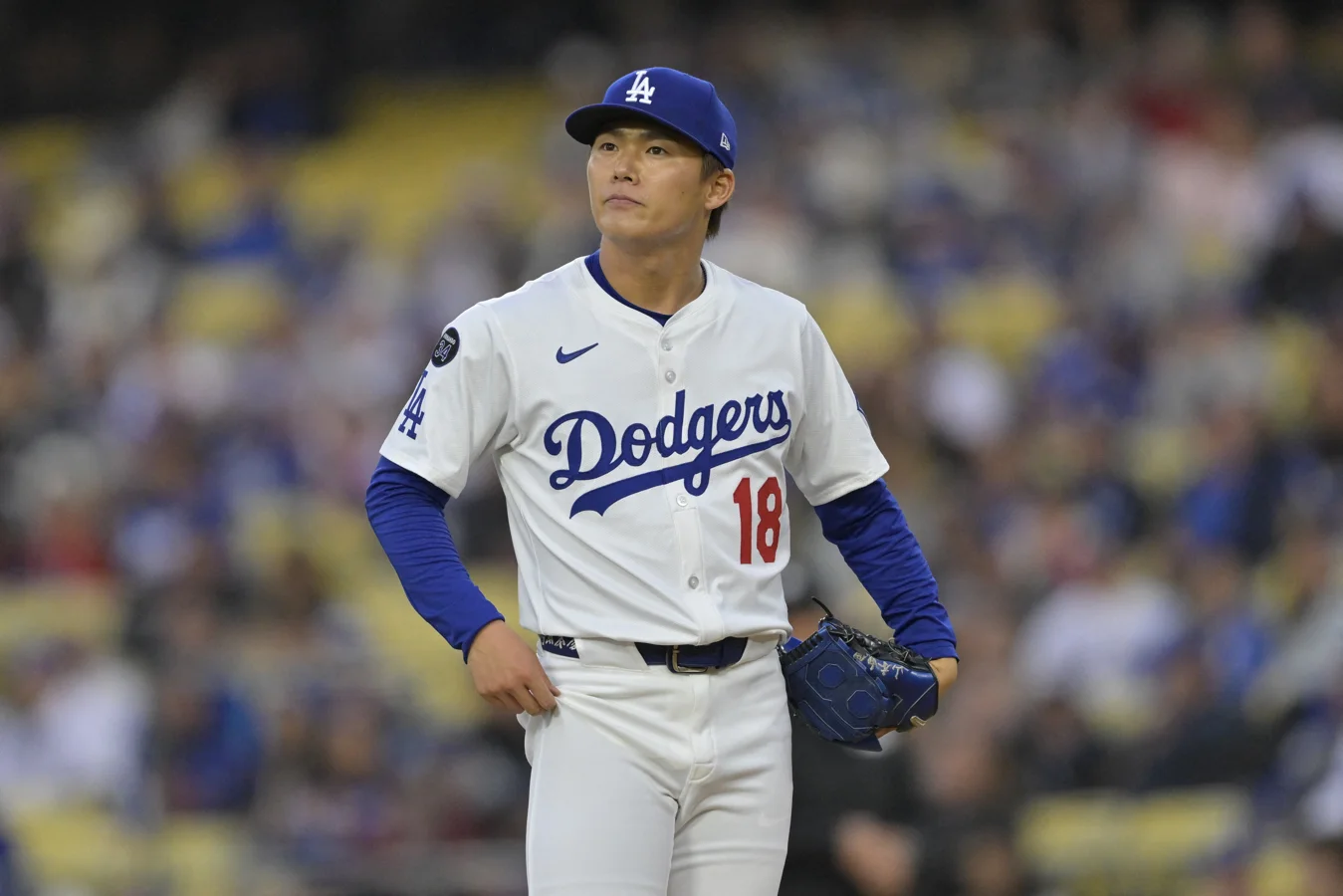

The Dodgers and Padres rivalry, which continues to grip baseball fans, escalated dramatically on Thursday night in Los Angeles when a benches-clearing brawl occurred following Fernando Tatis Jr. being hit by a pitch. This confrontation followed two games marked by escalating hostility, culminating in a heated exchange between Dodgers manager Dave Roberts and Padres manager Mike Shildt.
The incident unfolded after Tatis Jr. was struck on the wrist, sparking immediate reactions on the field and leading to both benches emptying in a rare but intense scene. The lingering tension between these two competitive teams was evident, serving as a backdrop to the on-field violence that many had anticipated given recent events.
Escalation Rooted in Prior Warnings and Hit Batters
The brawl was not a sudden outburst but the result of mounting friction from earlier in the week. Two days prior, both Tatis Jr. and Los Angeles’ Shohei Ohtani were hit during the same inning, igniting tempers. Dodgers manager Dave Roberts vehemently challenged the umpire’s decision to issue warnings to both teams instead of singling out the Padres. His frustration led to his ejection from the game.
Later in that same contest, Padres pitcher Matt Sauer hit Dodgers infielder José Iglesias. Though each team regarded that incident as unintentional, the atmosphere remained charged and fragile. Tony Gwynn Jr. noted the inevitability of the confrontation, commenting on how Tatis had been hit twice and handled it professionally before the bubble finally burst.
“It was only a matter of time. Tati’s been hit twice and has each time handled it like a pro. But at some point, enough is enough, whether it’s accidental or not.” —Tony Gwynn Jr.
Broadcast Analysts Highlight the Serious Hostility
Sports commentators Eric Karros and Joe Davis provided insight into the escalating bad blood between the teams, emphasizing that this was not a simple spat to resolve with gestures of goodwill. The animosity is deep, they noted, and unlikely to dissipate quickly given the frequency with which the Dodgers and Padres face each other.
“This isn’t one of those ‘Hey, just get out there and hug one another.’ There’s some real bad blood out there.”
“You already don’t like each other, gonna see each other a bunch…this was not something that would have been hard to envision.” —Eric Karros and Joe Davis
Mookie Betts Refuses to Engage in the Controversy
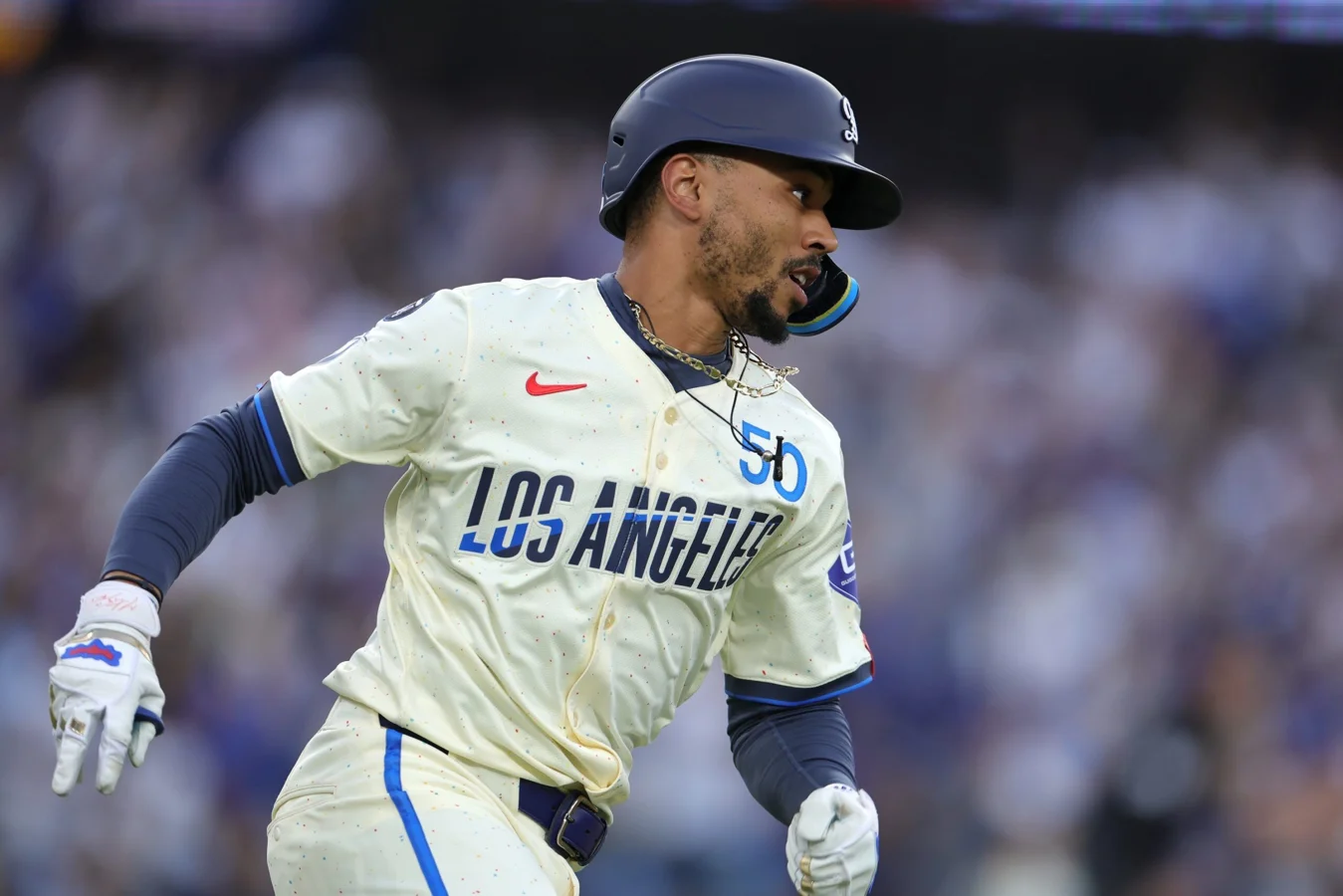
Despite the intensity of the situation, Dodgers All-Star Mookie Betts declined to comment on the brawl or the rivalry that is increasingly defined by such incidents. When asked directly about the recent disputes and whether the events from Tuesday’s game played a role, Betts bluntly dismissed any desire to discuss the matter.
I don’t know. I ain’t got nothing to do with that,
Betts said regarding the conflict involving his team, adding,
“There’s gonna be zero controversy talk over here. So, if y’all wanna talk about hit by pitches, we can go ahead and end it.”
Mookie Betts: “There’s gonna be zero controversy talk over here, so if y’all wanna talk about hit by pitches, we can go ahead and end it.” —Mookie Betts, Dodgers All-Star
Implications for the Dodgers-Padres Rivalry and Baseball
While some players and analysts resist labeling the Dodgers-Padres dynamic as a rivalry, its intensity contributes significantly to baseball’s current excitement. Max Muncy may reject the term, and Betts avoids the controversy, but the ongoing tension clearly energizes the sport. However, concerns about player safety have become prominent in the wake of these violent exchanges, with Manny Machado urging caution and hoping Tatis remains uninjured after the incident.
Even with no serious injury reported from Tatis’s X-rays, the feud between these teams is unlikely to fade despite players’ wishes to steer clear of further drama. The heated encounters and unresolved grievances ensure this storyline will continue dominating headlines and the field as the season progresses.