
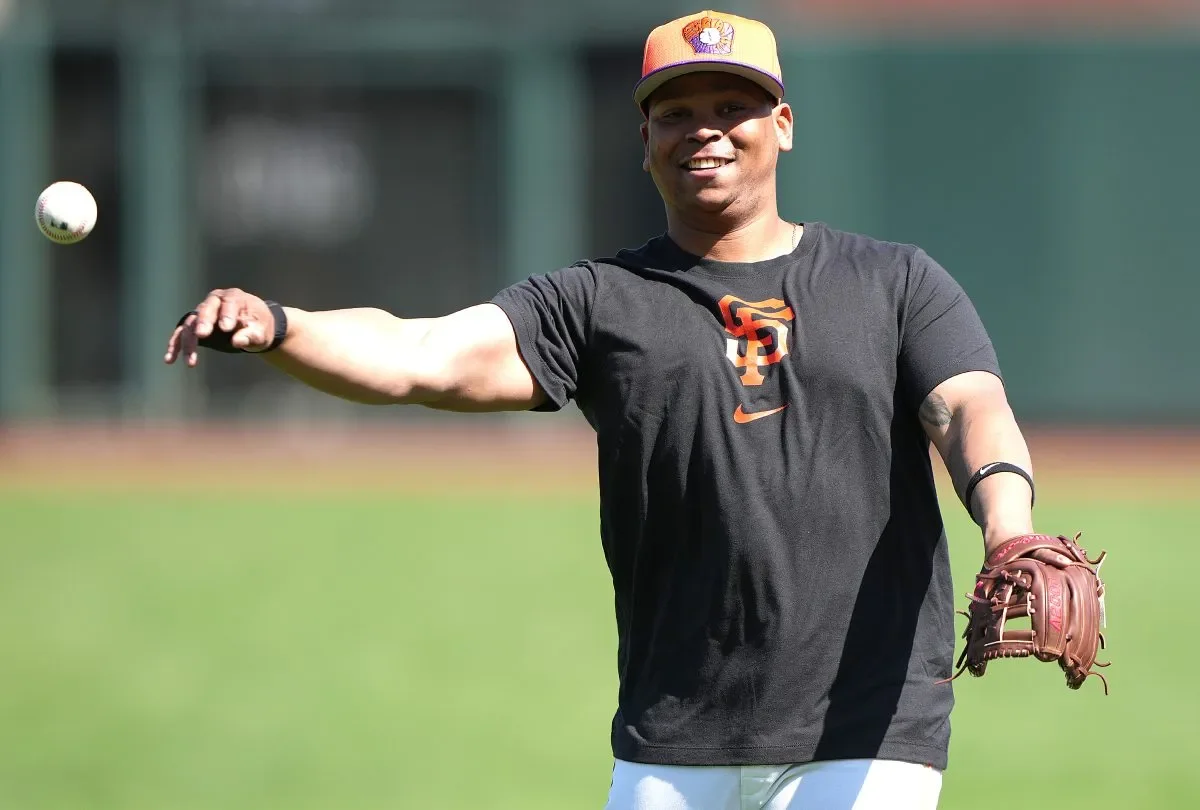

On May 9, Boston Red Sox owner John Henry flew to Kansas City to confront a tense situation involving the team’s $313.5 million star, Rafael Devers. Less than six weeks after this meeting, Devers was unexpectedly traded to the San Francisco Giants, surprising many fans and analysts. The central issue revolved around a disagreement on Devers’ position, specifically the club’s request for him to fill in at first base due to an injury to Triston Casas.
Disagreement Over Position Shift Causes Rift
The day before Henry’s visit, Devers publicly criticized chief baseball officer Craig Breslow for suggesting he move from his familiar third base spot to first base, a position Devers was reluctant to embrace. Although Breslow and Red Sox manager Alex Cora described the meeting as “productive,” the tension between the player and the organization remained unresolved. Ultimately, the front office and Devers failed to reach a mutual understanding on what best served the team’s interests, culminating in Devers’ exit from Boston.
Devers’ Concerns About Playing First Base
According to Pete Abraham of The Boston Globe, Devers expressed clear hesitation about immediately switching to first base.
“They wanted me to play first base,”
Devers said.
“I told [Henry] they eventually, yes. I could play first base but maybe next year. It was not my fault that players get hurt. I felt like if another player got hurt, they would move me again.”
This statement reflects his frustration with being asked to adapt quickly due to injuries beyond his control, indicating his desire for stability in his role on the field.
Complications Following Position Changes and Communication Issues
Devers had already adjusted his role, moving from third base to designated hitter after the Red Sox signed All-Star third baseman Alex Bregman during the offseason. At 28 years old, Devers became increasingly frustrated with what he perceived as poor communication from Boston’s front office. This dissatisfaction led him to gradually disconnect from the team environment. As Abraham noted,
“As a trade was being discussed, Devers steadily withdrew from the day-to-day culture of the Red Sox, typically arriving at the ballpark just before the start of team activities for the day.”
Abraham further described Devers’ behavior,
“Devers would dress while keeping his AirPods in, a silent message that he wasn’t interested in speaking to anybody. Once the game ended, he would dress quickly and leave.”
This withdrawal signals the growing divide between the star player and his longtime team.
Devers’ New Attitude After Joining the Giants
In contrast to his time with the Red Sox, Devers’ approach shifted notably after his trade to the San Francisco Giants. At his new team’s introductory press conference, he expressed openness to playing any position requested, including first base, and has already practiced there several times to prepare.
Devers Won’t Debut at First Base Against His Former Team
Despite the anticipation, Devers will not play first base during the upcoming Giants-Red Sox series starting Friday night at Oracle Park. Giants manager Bob Melvin told KNBR’s Murph and Markus,
“Yeah, that’s not going to happen this weekend. We haven’t gotten there. … It’s going to take a little bit more time than having him at first base during the Red Sox series.”
The first pitch for Friday’s game is scheduled for 10:15 p.m. ET.
The Significance of the Meeting and Trade
John Henry’s trip to Kansas City, intended to mend fences and resolve tension with Rafael Devers, ultimately illustrated the deeper disconnect between the player and the Red Sox organization. Devers’ unwillingness to immediately accept a position change, coupled with strained communication, resulted in the end of his tenure with the team that signed him as a 16-year-old from the Dominican Republic. Moving forward, this trade signals a major shift for both Boston and Devers, as the Giants integrate a high-profile hitter willing to adapt to new roles, while the Red Sox adjust to life without one of their homegrown stars.