
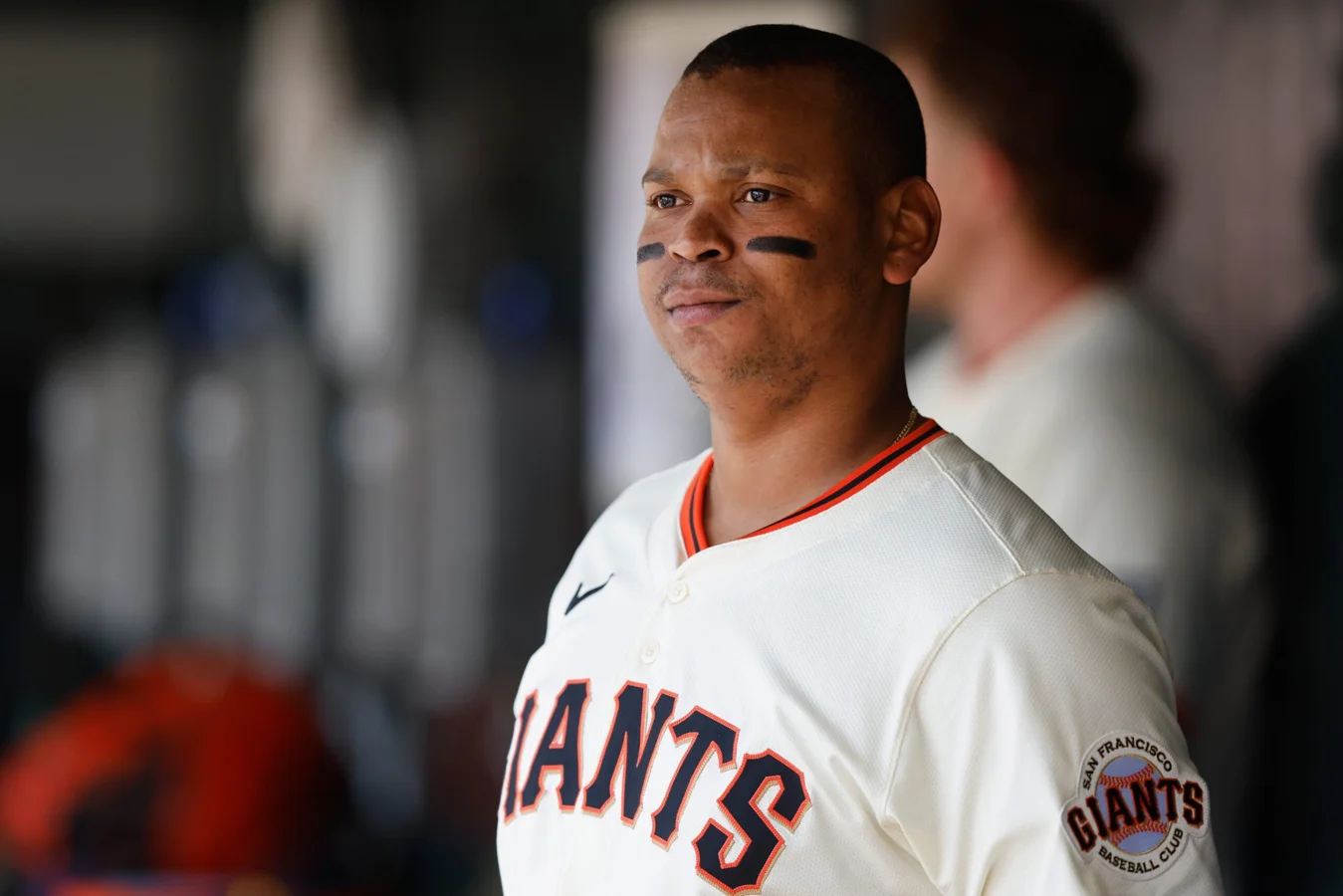

An MLB executive acknowledged that the Boston Red Sox secured a valuable return by trading Rafael Devers to the San Francisco Giants, but harshly criticized the organization for mishandling the All-Star third baseman’s time in Boston. Speaking to ESPN’s Jeff Passan, the official said the Red Sox
“absolutely botched this entire Devers situation.”
The executive added,
“And somehow it all resulted in them getting to dump what was both an underwater contract and a distraction while also getting a bunch of value back in return,”
highlighting the complex circumstances surrounding the deal.
The Players and Prospects Involved in the Trade
On Sunday, Boston traded Devers in exchange for a package from the Giants featuring young pitchers Jordan Hicks, Kyle Harrison, and Jose Bello, along with outfielder James Tibbs III. Kyle Harrison entered the 2024 season as the top prospect in the Giants system, while Tibbs, the Giants’ 13th overall draft pick in 2024, was ranked fourth within their prospect pool.
Hicks is currently recovering from an injury and had primarily started games in San Francisco. Boston’s chief baseball officer Craig Breslow indicated that Hicks could serve as a late-inning reliever with the Red Sox, diverging from his previous role as a starter. Breslow also expressed optimism about Harrison’s potential to contribute in Boston’s starting rotation in time, although the team initially sent him to Triple-A for an expected stint lasting “a couple of weeks,” according to Red Sox pitching director Justin Willard.
MLB.com analyst Brent Maguire projected Tibbs to debut with Boston in 2026, with Bello likely requiring more development time, potentially not reaching the majors until 2028 or 2029.
Mixed Reactions to the Trade and Its Implications
Despite the strong return of promising young talent, not all within the league embraced the decision to trade a centerpiece player like Devers. Another MLB general manager voiced his discontent to Passan, stating bluntly,
“These are the Boston f–king Red Sox. You don’t trade your stars.”
This comment reflects the traditional expectation that Boston’s stars remain cornerstone pieces of the franchise.
The Red Sox’s acquisition of two pitchers who could provide near-term help, alongside two prospects to strengthen their future roster, came at the cost of shedding the remaining eight and a half years on Devers’ massive $313.5 million contract. This financial relief was seen as a crucial factor given the increasingly strained relationship between Devers and the Red Sox.
Strained Relationships and Contract Challenges Fueled Tensions
Before the trade, Devers reportedly felt like a scapegoat for some of Boston’s struggles. He was vocal about his unwillingness to change positions despite the team signing Alex Bregman and adjusting his role. One anonymous voice described the situation as:
“It was like, ‘Oops, we overpaid for a decade of our bat-only star, pissed him off publicly, then continued to bungle every subsequent opportunity to get things right. Why don’t you give us a controllable midrotation starter and your first-round pick from last year and help us get out of it?”
Given that Devers is performing at a high level this season, the trade leaves the Red Sox with the challenge of reallocating his former salary strategically to remain competitive in the coming years.
Future Outlook for Boston Post-Devers Trade
This trade signifies a clear shift in direction for Boston, one that could influence their immediate competitiveness. The influx of young pitching talent presents promise but also uncertainty, especially with players like Hicks recovering from injury and prospects still developing in the minor leagues. The organization’s ability to manage the financial and roster implications of moving a franchise star will be crucial as they look to rebuild the roster and aim for future success.
How the Red Sox reinvest Devers’ contract money and integrate the new players into the team’s core will likely determine whether this controversial trade leads to long-term gains or further struggles for one of baseball’s most storied franchises.