
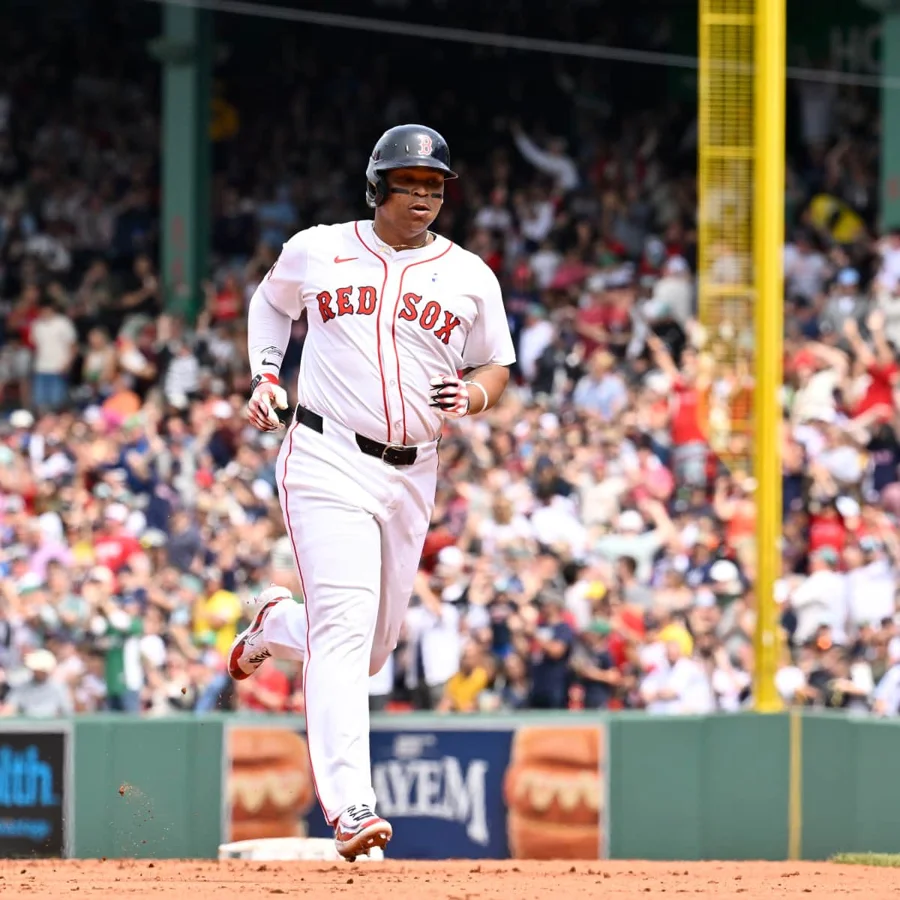

The San Francisco Giants shocked the baseball community by acquiring Rafael Devers from the Boston Red Sox in a blockbuster trade, leaving the Chicago Cubs to reexamine their missed opportunity. As the Cubs weigh the implications of the Rafael Devers trade impact on Chicago Cubs, their front office evaluates how this move affects both their present roster and long-term team strategy.
Cubs Prioritize Pitching Amid Trade Deadline Moves
Jed Hoyer, President of Baseball Operations for the Cubs, has openly acknowledged the urgent need to strengthen the team’s pitching staff in both the rotation and bullpen. Approaching the July 31 trade deadline, Chicago concentrated on securing sustainable, long-term solutions rather than short-term fixes. This emphasis complicated their pursuit of Devers, whose availability was clouded by a strained relationship with the Red Sox. Teams such as the Toronto Blue Jays, San Diego Padres, Atlanta Braves, Seattle Mariners, and the Cubs were all part of the trade talks, signaling intense league-wide interest.
Challenges of Integrating Devers into Cubs’ Lineup
Devers’ potential fit with the Cubs raised difficult roster questions. With Seiya Suzuki excelling as the team’s key offensive player, leading in RBIs and ranking second in home runs, the Cubs faced limited flexibility in adding another designated hitter. The team’s consistent players, including Matt Shaw at third base and Michael Busch at first, presented a lineup that left scant room for Devers without causing disruption. The complexity of accommodating such a high-profile bat contributed to the hesitancy in finalizing a deal.
Financial and Contractual Hurdles Influence Cubs’ Decision
Financial considerations played a pivotal role in the Cubs’ reluctance to sign Devers. With a heavy contract commitment of $250 million spread over eight years, the organization had to balance the potential impact of his offensive production with the fiscal responsibility required. The Giants’ willingness to absorb this significant financial burden made the deal more feasible for them than for Chicago. Moreover, uncertainty about Kyle Tucker’s tenure with the Cubs added another layer of complexity, as Tucker’s possible departure after this season could have made Devers a crucial franchise player.
Trade Outcome Poses Strategic Questions for Chicago’s Future
Ultimately, the Cubs chose to focus their resources on pitching needs, which appear more urgent than augmenting their offense with Devers. The trade highlights missed opportunities but also represents the organization’s effort to maintain a balanced roster rather than relying solely on star power. As the Cubs move forward, this calculated approach may enhance their competitiveness by addressing foundational issues in pitching staff depth and stability.
Looking Ahead: Impact and Implications for the Cubs
While Devers’ formidable hitting skills are widely recognized, the Cubs’ decision may serve their broader vision for team development over multiple seasons. This choice underlines the delicate balancing act that MLB teams face when managing high-profile talent against pressing roster needs and financial constraints. The Cubs’ future moves, particularly in pitching acquisitions, will reveal how this trade influences their trajectory in the evolving major league landscape.
“Jed Hoyer has been candid about the team’s pressing need for improvements in both the starting rotation and bullpen.” —Unnamed source
“With Seiya Suzuki performing admirably—ranking second on the team in home runs and leading in RBIs—there seemed to be little room for another designated hitter.” —Unnamed source
“The Giants absorbed the entirety of this contract, which may have made the deal more palatable for them than for Chicago.” —Unnamed source