
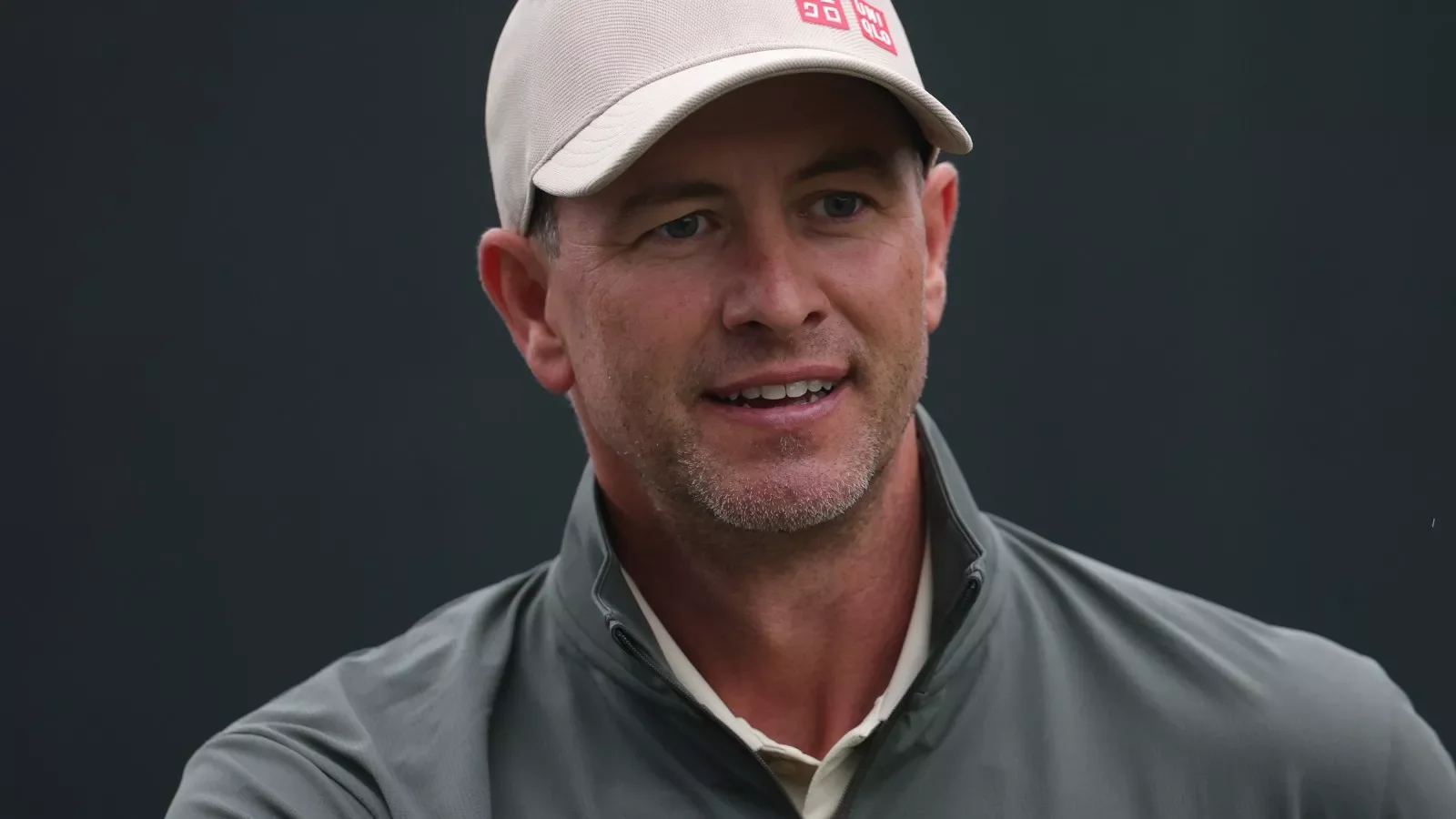

Adam Scott, a veteran PGA Tour professional and former Masters champion, has candidly discussed the difficulties he faces due to the PGA Tour’s intense, newly structured schedule. Speaking after the U.S. Open and during the Travelers Championship, Scott revealed how the back-to-back tournaments and the demanding Signature Events model are creating mounting fatigue and frustration among players.
The Toll of Consecutive Elite Tournaments on Player Performance
Under the leadership of Jay Monahan, the PGA Tour introduced the Signature Events concept, aiming to enhance fan engagement with premium fields, no cuts, and $20 million prize purses. However, the continuous sequence of high-stakes events leaves little room for rest. Scott described feeling more exhausted than ever, despite careful preparation, as he struggled to maintain his form at the Travelers Championship following the U.S. Open.
Other top players such as Rickie Fowler and Justin Thomas have also expressed concerns about the grueling pace. The pressure to compete in consecutive prestigious tournaments is taking a physical and mental toll, forcing players to reconsider their recovery approaches while meeting the expectations set by the Tour.
Player Welfare Versus Commercial Interests: A Growing Conflict
The ongoing tension between maintaining golf traditions, maximizing commercial opportunities, and safeguarding player health is becoming increasingly evident. Officials and players are engaged in a delicate balancing act as the demanding schedule persists without significant breaks, raising important questions about the sustainability of this format.
As the Travelers Championship continues under challenging conditions, the resilience of athletes like Scott is being tested, highlighting the broader impact the intensified schedule has on professional golf’s stars. The pressure to perform amid such fatigue underscores the potential long-term effects on their well-being and careers.
What Lies Ahead for PGA Tour Competitors?
The debate over the PGA Tour’s future scheduling remains unresolved, with fans and players closely watching how these issues unfold. Adam Scott’s openness about his struggles emphasizes the urgent need to address player fatigue within this high-pressure environment. How the Tour evolves and responds to these concerns will significantly influence the sport’s direction and the health of its leading athletes as they navigate a relentless competitive landscape.