

Christopher Bell has called on NASCAR and its sponsors to refocus on highlighting drivers to restore the sport’s once-celebrated status, emphasizing that returning to a driver-focused marketing approach is essential to reconnecting with fans. Speaking in 2025, Bell stressed that reviving NASCAR’s golden era requires elevating drivers as central figures in promotional campaigns, echoing how stars like Dale Earnhardt Sr. and Jeff Gordon became household names in past decades.
NASCAR’s Historic Roots: From Humble Beginnings to National Stardom
NASCAR’s legacy is deeply tied to personal stories of drivers rising from modest backgrounds, becoming cultural icons through grit and dedication. Dale Earnhardt Sr., a symbol of this era, famously described himself as,
“I’m just a simple country boy that has made it big.”
Drivers’ readily available personas and relatable origins helped build strong fan relationships, with Earnhardt famously advising,
“You’ve got to be willing to take the hit and make the sacrifice.”
This fearless spirit shaped the sport’s early identity and fostered intense fan loyalty.
The Shift in NASCAR Marketing and Visibility Challenges
Bell highlighted that in earlier years, drivers were visibly linked to major brands such as Coca-Cola and Pepsi, appearing on everything from vending machines to everyday products. This omnipresence helped drivers become relatable figures beyond the race track. However, as sponsorship priorities have shifted towards teams and sponsors themselves, the individual drivers’ visibility has diminished in recent years, affecting fan engagement.
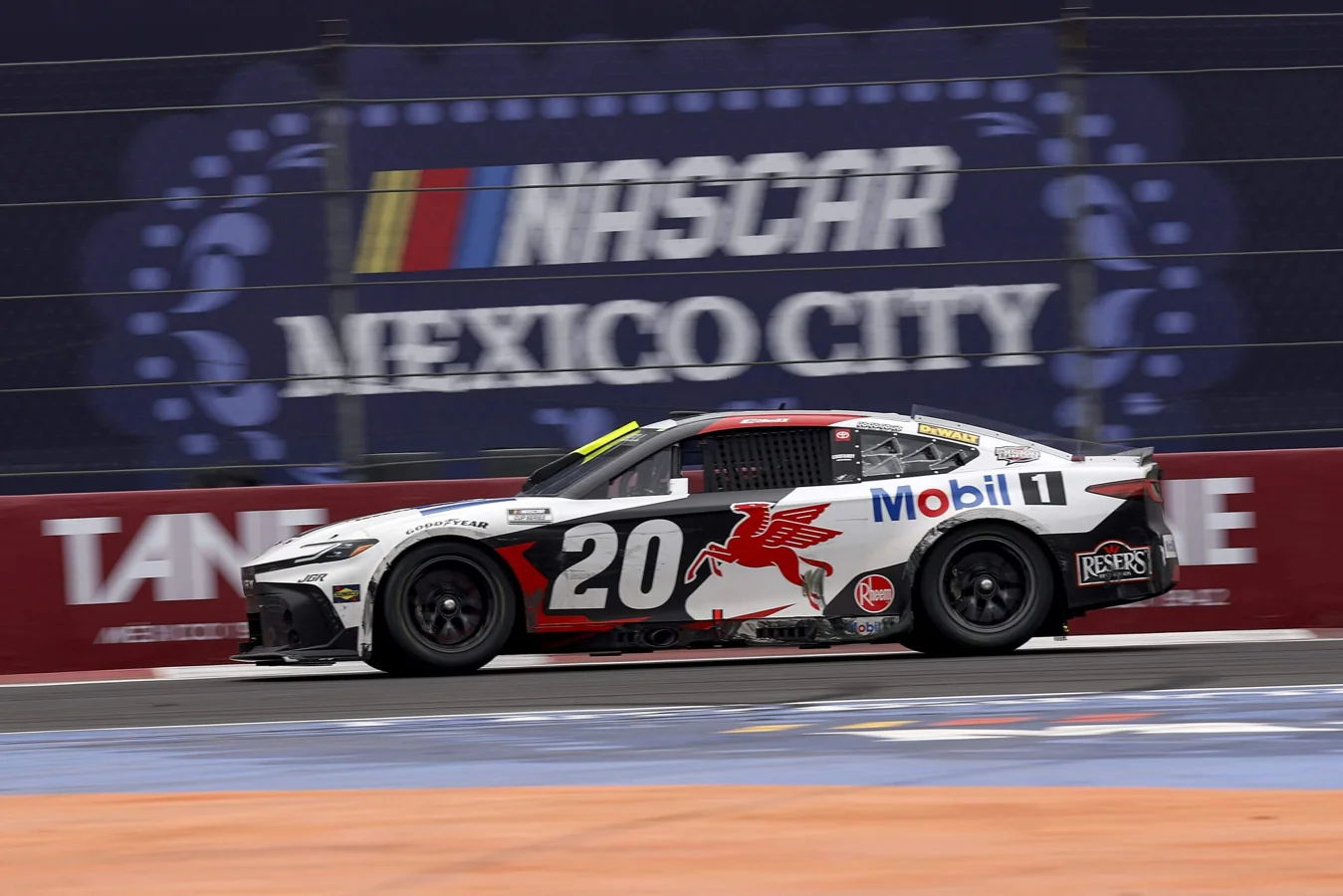
In his interview with Jeff Gluck on the 12 Questions series, Bell pointed out that current marketing trends often overshadow drivers’ personalities, reducing their recognition among the broader audience. He believes that shifting focus back to the drivers will humanize NASCAR, drawing fans closer to the sport through personal stories and connections.
Resources Available to Rekindle NASCAR’s Popularity
With backing from powerful team owners like Roger Penske and Rick Hendrick, supported by sponsors including Menards and Michael Jordan’s 23XI Racing, NASCAR is uniquely positioned to mount expansive marketing campaigns. Bell argues that leveraging these networks to showcase drivers’ backgrounds, rivalries, and charisma can spark renewed interest and passion from fans across the nation.
The Role of Driver Personalities in Reviving the Sport
NASCAR legend Mark Martin offers a complementary perspective, focusing on the importance of drivers embracing their individuality to enhance fan appeal. Martin observes a lack of bold personalities and heated rivalries in today’s NASCAR, which have historically been central to the sport’s excitement and fan retention. He notes that while some drivers like Joey Logano, Denny Hamlin, and Kyle Busch display fiery competitiveness and crowd engagement, many others remain restrained, limiting their impact on the fan experience.
Martin urges current drivers to step out from behind corporate constraints and fully express who they are, arguing that this authenticity is crucial for reestablishing the sport’s emotional intensity and widespread fan enthusiasm. He believes that when drivers openly display their true selves, it fosters memorable rivalries that captivate national audiences.
Looking Ahead: A Path for NASCAR’s Rejuvenation
At a pivotal moment for NASCAR, the combined voices of Christopher Bell and Mark Martin outline a clear path for growth: sponsors and teams must increase efforts to promote drivers as individual stars, while competitors themselves should embrace more visible, engaging personalities. This dual approach could reignite the sport’s identity and bring back the fan passion that once propelled NASCAR to the forefront of American motorsports.
By rediscovering its roots through driver-focused marketing and authentic personalities, NASCAR may well attract a new generation of fans, restoring its prominence on the national stage and securing a vibrant future for the sport.