
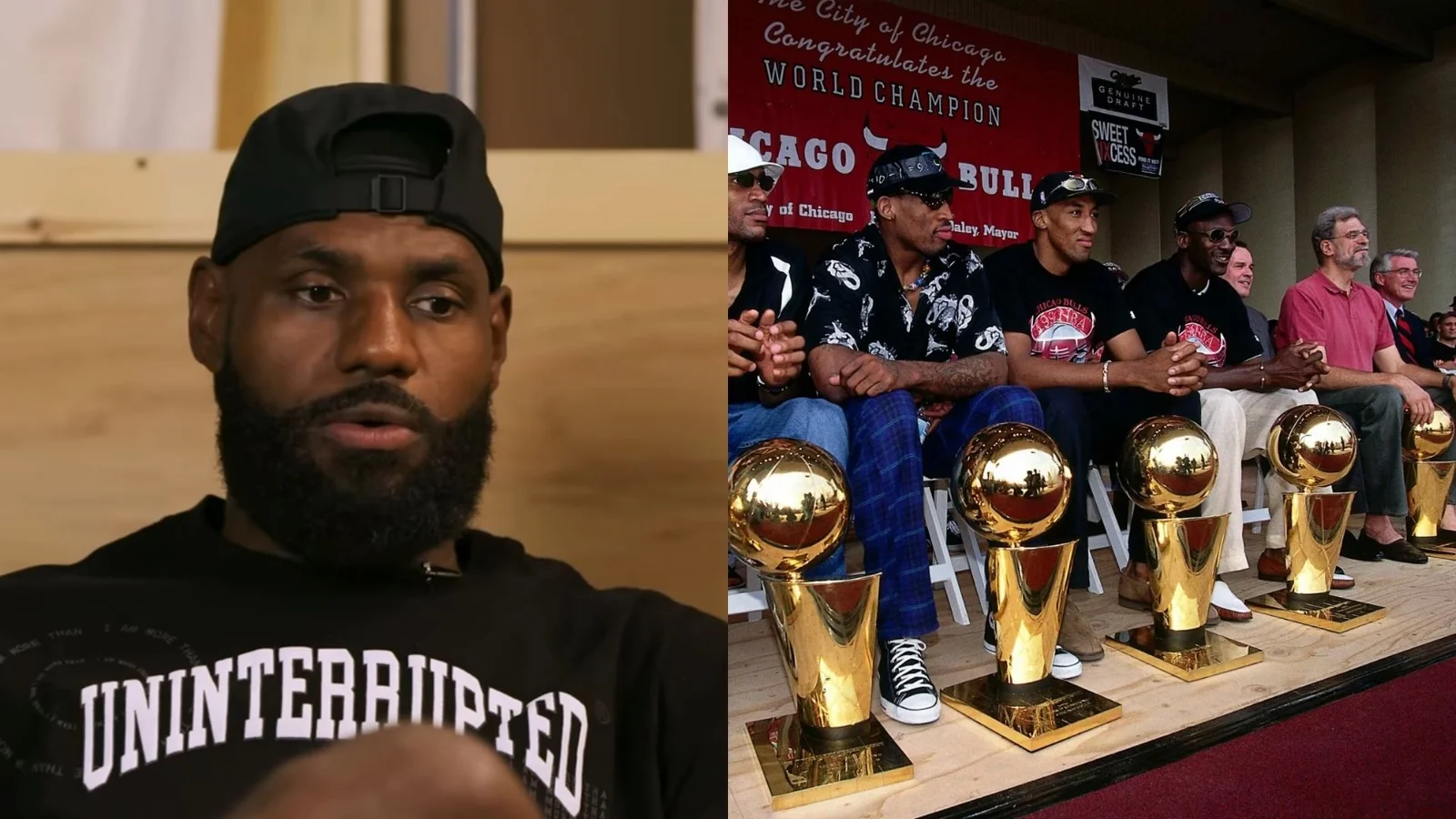

LeBron James recently ignited heated discussion by claiming that championship rings shouldn’t be the ultimate measure of basketball greatness. Speaking on his podcast, he challenged the long-held belief that titles are the defining standard, referencing players like Charles Barkley and Steve Nash to support his view. This shift in perspective comes after 21 seasons, as James faces the reality that matching Michael Jordan’s six rings may no longer be possible.
Critics swiftly challenged LeBron’s argument, pointing to his past decisions and emotional investments in winning titles. Sports commentator Rob Parker labeled the shift as “classic LeBron,” reminding fans that James aggressively pursued championships by joining Miami’s superteam and leaving Cleveland. Stephen A. Smith reinforced this skepticism, questioning why LeBron cried upon winning his first ring if titles supposedly didn’t matter.
LeBron’s Changing Views and the Controversy Surrounding Championships
Throughout his career, LeBron treated winning rings as paramount, often framing them as the ultimate proof of greatness. From his emotionally charged 2012 NBA Championship celebration to the formation of superteams, titles appear central to how he defined success. Now, as surpassing Jordan’s legacy proves elusive, some believe LeBron is rewriting the rules to fit his situation.
It’s true that greatness can’t be fully captured by ring count alone. Players like Barkley and Nash, despite not winning championships, are regarded as legends due to their individual excellence. Other sports honor outstanding athletes without titles, such as NFL’s Dan Marino. However, LeBron didn’t just play this “ring game”—he shaped it, changing career narratives and player dynamics focused on championship success.
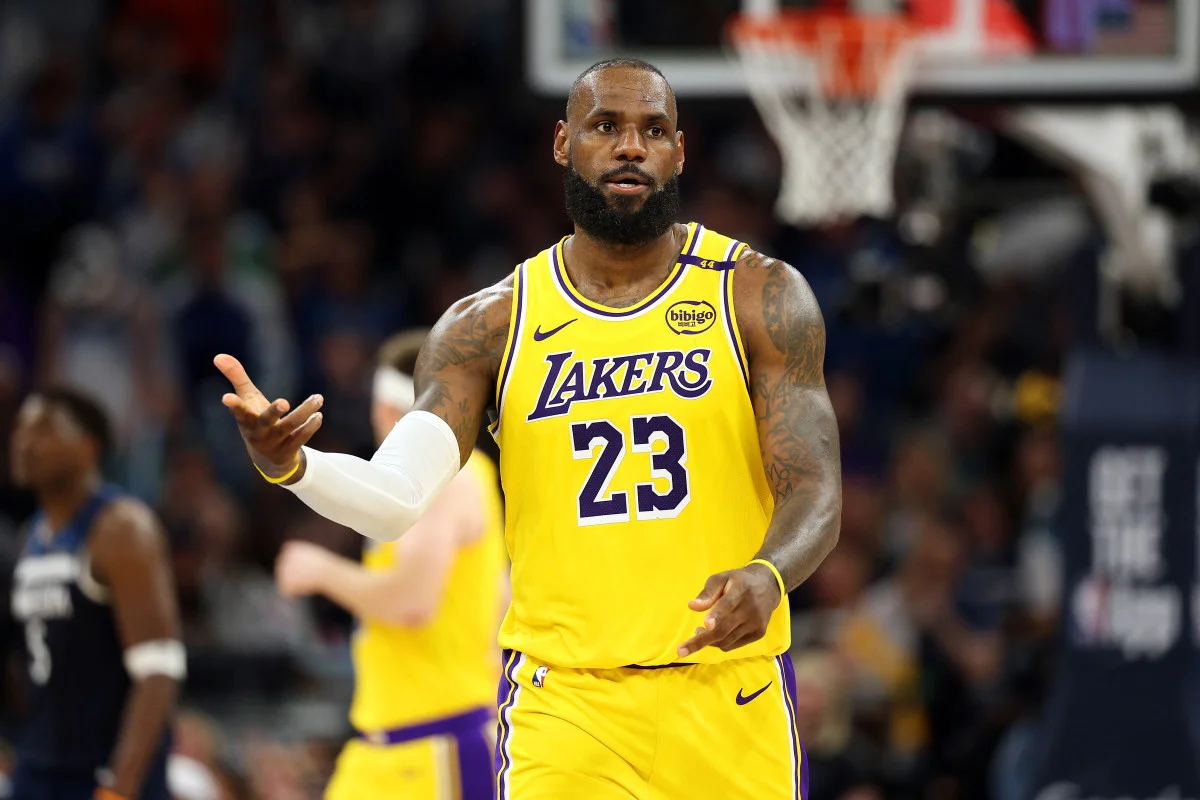
The broader reality lies somewhere in between. Rings alone don’t seal greatness, but they remain a critical element in basketball’s lasting legacy debates. Jordan’s undefeated 6-0 Finals record symbolizes clutch performance and dominance when stakes were highest. LeBron revolutionized playstyle with unmatched versatility and longevity, yet Jordan’s impact defines what it means to win.
Comparing Two Eras: LeBron’s Versatility Versus Jordan’s Ruthless Legacy
LeBron James’s career has undeniably transformed basketball. Standing 6-foot-9 with an ability to excel in multiple positions, LeBron has set unprecedented records, holding the all-time scoring title while ranking among the top in assists. His style helped shape the modern “positionless basketball” era, arguably changing how the game is played forever.
Michael Jordan, meanwhile, perfected what it means to win under pressure. His flawless 6-for-6 Finals record, with legendary performances like the “Flu Game” and last-second championship shots, cements an image of relentless killer instinct unmatched in NBA history. Averaging 33 points per game in the Finals, Jordan’s clutch dominance contributed heavily to his permanent status in basketball lore.
While Jordan had Hall of Famers Scottie Pippen and Dennis Rodman alongside him, LeBron’s early Finals runs in Cleveland featured less star-studded rosters. This factor adds nuances to the ongoing debate. Jordan set the benchmark for championship excellence, while LeBron extended what was possible in terms of skill and adaptability.
Both players embody different types of greatness—Jordan as the flawless champion and LeBron as the transformative innovator. This distinction fuels an endless discussion over which definition of greatness carries more weight, a debate likely to persist as LeBron’s son enters the league.
Public and Expert Reactions to LeBron’s Statements
LeBron’s comments have provoked strong responses from analysts and fans alike. Rob Parker accused him of hypocrisy, saying,
“Now that he can’t catch Jordan, rings don’t matter? He’s the one who left Cleveland for Miami to chase rings. The one who formed superteams. Now suddenly it’s not important? Such a phony.”
Stephen A. Smith questioned LeBron’s sincerity and past emotions related to winning, stating,
“If rings don’t matter, why were you crying when you finally won one? Why’d you leave Cleveland for Miami in the first place?”
These critiques highlight the tension between LeBron’s past championship pursuits and his current argument that greatness should not be measured solely by rings.
Why LeBron’s Timing Undermines His Message
LeBron’s recent stance emerges just as surpassing Jordan’s six championships appears increasingly unattainable. His decades-long chase of rings has been a key driver of his career decisions and public narrative. This late change in viewpoint feels less like a revelation and more like an attempt to redefine the criteria of greatness after falling short in this particular category.
The timing is also complicated by off-court developments, including the $10 billion sale of the Lakers, which introduces massive new resources to the franchise. This new era of spending power may be arriving too late to extend LeBron’s championship window, adding to the pressures on his legacy.
Even as the message rings true—that greatness is multifaceted and not reducible to titles alone—LeBron’s status as a figure known for placing supreme importance on rings makes him a difficult messenger. His credibility suffers as a result, leaving many unsettled by the apparent shift in his narrative.
Ongoing Debate Over What Defines Basketball Greatness
The discussion sparked by LeBron James underscores the complexity of defining greatness in basketball. While championships are a vital part of legacy-building, talent, impact, and consistency also contribute significantly. Jordan’s champion pedigree and clutch performances set one standard, while LeBron’s revolutionary approach and statistical longevity offer another.
Ultimately, the conversation highlights different values among fans and experts—whether they prioritize flawless championship success or sustained excellence and innovation. This divergence ensures the debate will continue long after both players retire, reflecting the evolving nature of basketball greatness itself.