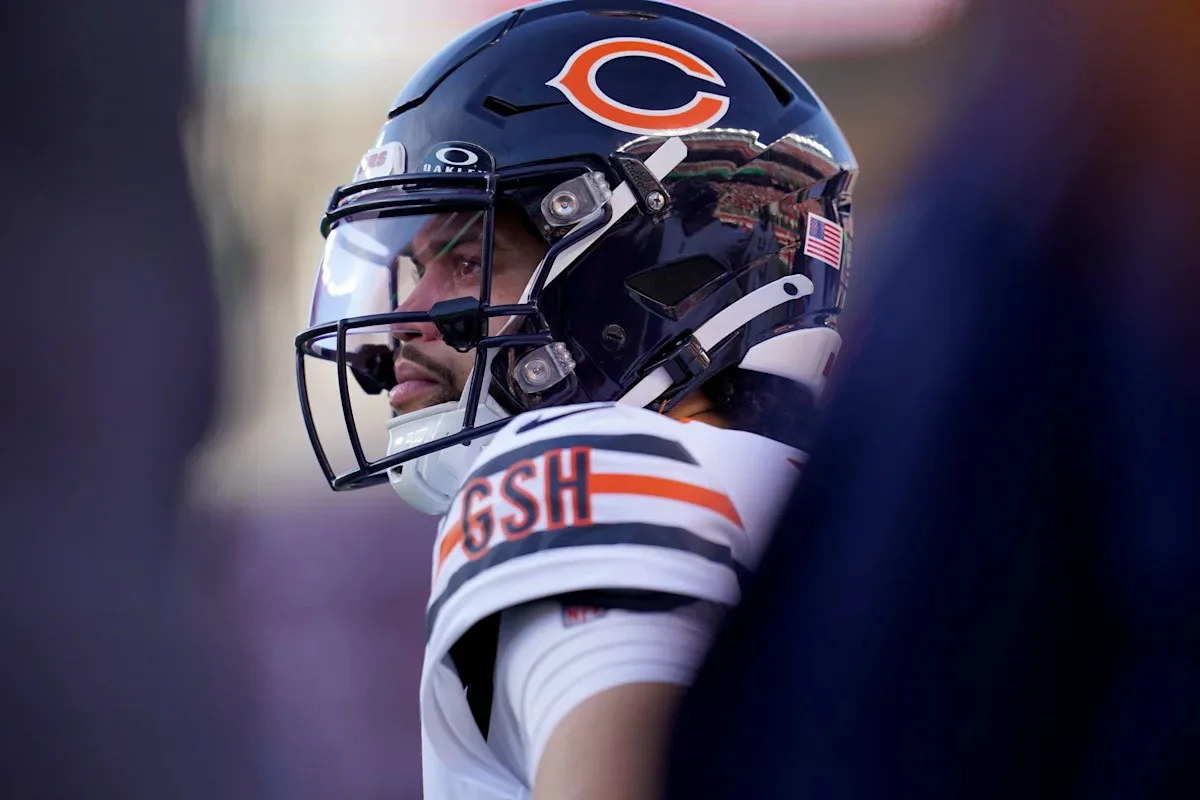
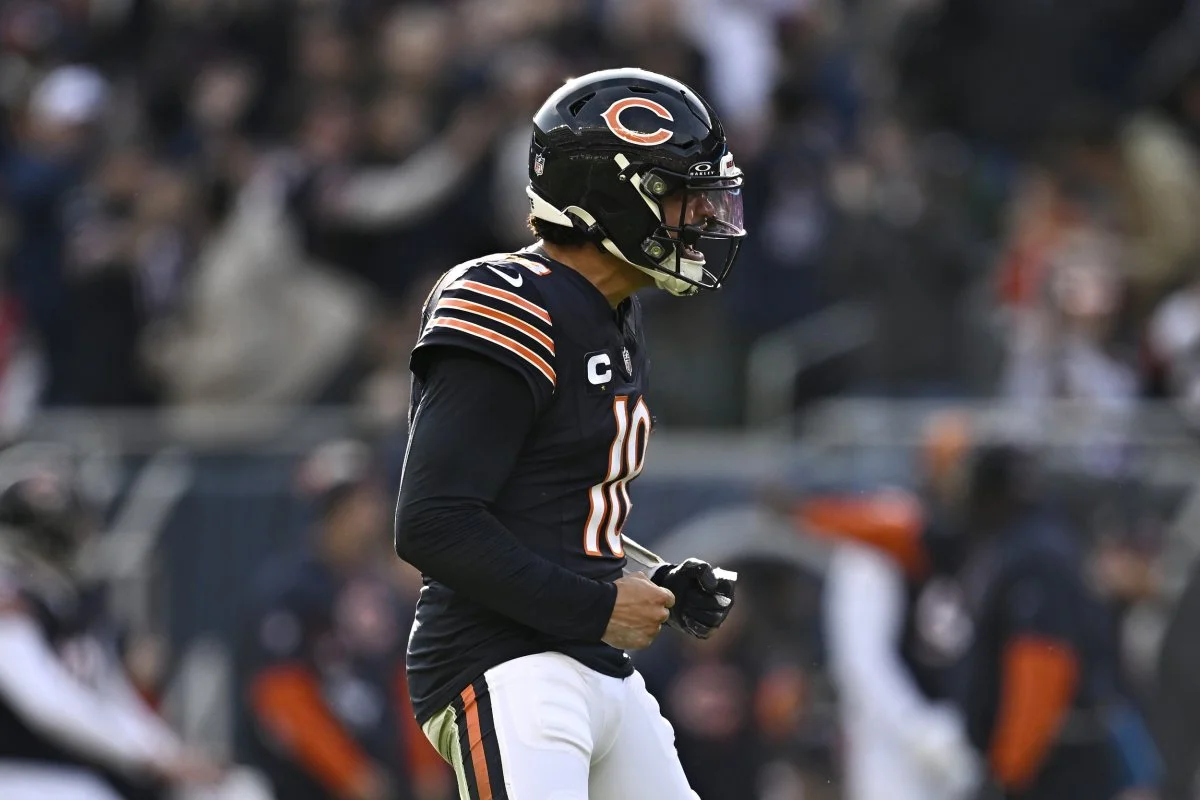
Caleb Williams receives essential NFL sack pressure advice from CJ Stroud: "Get rid of the ball and be smart."
During the 2025 NFL offseason, Chicago Bears quarterback Caleb Williams received crucial advice from Houston Texans quarterback CJ Stroud on how to handle the relentless NFL sack pressure. This guidance, shared amid rising concerns over Williams’s vulnerability to defensive schemes, focuses on strategies to reduce sacks and manage the intense scrutiny that often burdens second-year quarterbacks.
Learning from the NFL’s Evolution of Defensive Pressure
The NFL’s defensive tactics have transformed significantly since the brutal hits of the 1980s, shifting from sheer physical force to strategic domination through film study and disguised blitzes. CJ Stroud warns Caleb Williams that opposing defensive coordinators meticulously analyze quarterbacks‘ tendencies in preparation to shut down their strengths.
“They know what you’re good at,”
Stroud said,
“They try to just cut that off.”
This approach reflects a broader reality for franchise quarterbacks, where the hits continue but defenders become increasingly clever and adaptive.
On the show Franchise Faces, hosted by Kay Adams, both Stroud and Williams were highlighted for their high sack numbers. Williams, in his rookieseason, faced 68 sacks, setting a Bears franchise record and ranking third highest in a single NFL season. CJ Stroud was not far behind, suffering 52 sacks himself. During the interview, Adams directly asked Stroud for advice on how Williams could handle defenses that have begun to figure him out. Stroud offered a straightforward but insightful comparison rooted in basketball:
Image of: Caleb Williams
“It’s like playing basketball. If you find out a guy can’t go left, they’re going to try to force you left.”
He continued by stressing that defensive coordinators are relentless in exploiting every film-reviewed weakness.
“Whatever your weaknesses are, whatever you’ve put on tape and film, that’s what defensive coordinators are watching every single day, and they’re just trying to find twists and schemes,”
Stroud explained. This ongoing study of quarterbacks reveals how defenses aim to suppress their effectiveness by exploiting any predictable moves or tendencies.
Stroud’s Survival Techniques for Quarterbacks Under Siege
The goal for defensive teams is often to force quarterbacks into extending plays under pressure, hoping to provoke mistakes or turnovers. Stroud described this challenge as akin to facing a Madden video game player who has memorized a quarterback’s playbook, waiting to exploit any pause or weak input.
“The main thing they want you to—to extend plays every time,”
Stroud said.
His best advice is deceptively simple but impactful:
“Bro, just get it out your hand.”
Stroud emphasized the importance of quick decision-making and ball release, advising quarterbacks to quickly identify defensive coverage—whether Cover 2 or Cover 4—and either throw to their primary read or check down early to avoid unnecessary hits.
“The less hits you take, the better…it’s 17, 18 long weeks…it gets long,”
he noted, highlighting the physical toll sustained over a full NFL season.
Transforming from Risky Play to Smart Quarterbacking
Stroud’s advice evolved from a casual metaphor into a critical survival mantra for Williams.
“Get rid of the ball, check it down, um, and just be smart,”
became a guiding philosophy deeply rooted in avoiding destructive hits. After their Week 2 matchup in the NFL season, Stroud even took time to personally encourage Williams while mic’d up during the game:
“Stop taking those hits. Learn from those mistakes…You’re going to be a hell of a player.”
The weight of this counsel became evident as the season progressed.
Williams’s struggles with pressure were highlighted by a key Week 17 moment when he rolled left—his weaker side—double-pumped and consequently took a blindside sack that led to a fumble. This play served as a harsh lesson on the dangers of hesitation. However, the contrast came in Week 8 when facing Washington’s defense, Williams confronted pressure on 51% of snaps yet limited his sacks to just three by throwing quickly and decisively, often opting for safer throws or throwaways. This shift demonstrated the tangible benefits of Stroud’s “get rid of it” system at work.
Embracing Practicality Over Flash in Year Two
For his second season, Williams is balancing his natural athletic talent with the need for pocket discipline and pragmatic decision-making. Stroud reinforced this approach with another piece of no-nonsense advice:
“Be yourself… You don’t have to be a superhero. Sometimes the boring plays are good.”
The essence of this wisdom encourages mastering fundamental, low-risk plays in order to create space for highlight moments. Achieving longevity in the league relies on reducing unnecessary risks and preserving health.
The Chicago Bears have made key offseason upgrades, with a rebuilt offensive line and the addition of weapons like DJ Moore and Rome Odunze, both expected to ease pressure on Williams. Now the responsibility lies with him to understand defensive formations, spot the impending rush, and release the ball before the pocket collapses. In the NFL, thriving is as much about adapting to schemes and protections as it is about pure talent—wisdom passed on from one quarterback who has endured constant hits to the next.
What’s Next for Caleb Williams Amid Growing Challenges?
As Caleb Williams faces the ongoing pressure of evolving NFL defenses, the question remains whether he can internalize and apply Stroud’s advice to improve his pocket presence and reduce sacks. The league’s defenses have become sophisticated hunters, forcing quarterbacks to adjust quickly or pay the price. Williams’s development in this area may very well determine his trajectory as a franchise signal-caller.
Success in Year 2 will require blending his explosive playmaking with enhanced decision-making skills to stay healthy and productive throughout the lengthy NFL season. If Williams can master these essentials, supported by Chicago’s improved roster and coaching, he may not only survive but flourish under the strain of lifelong NFL pressure.