
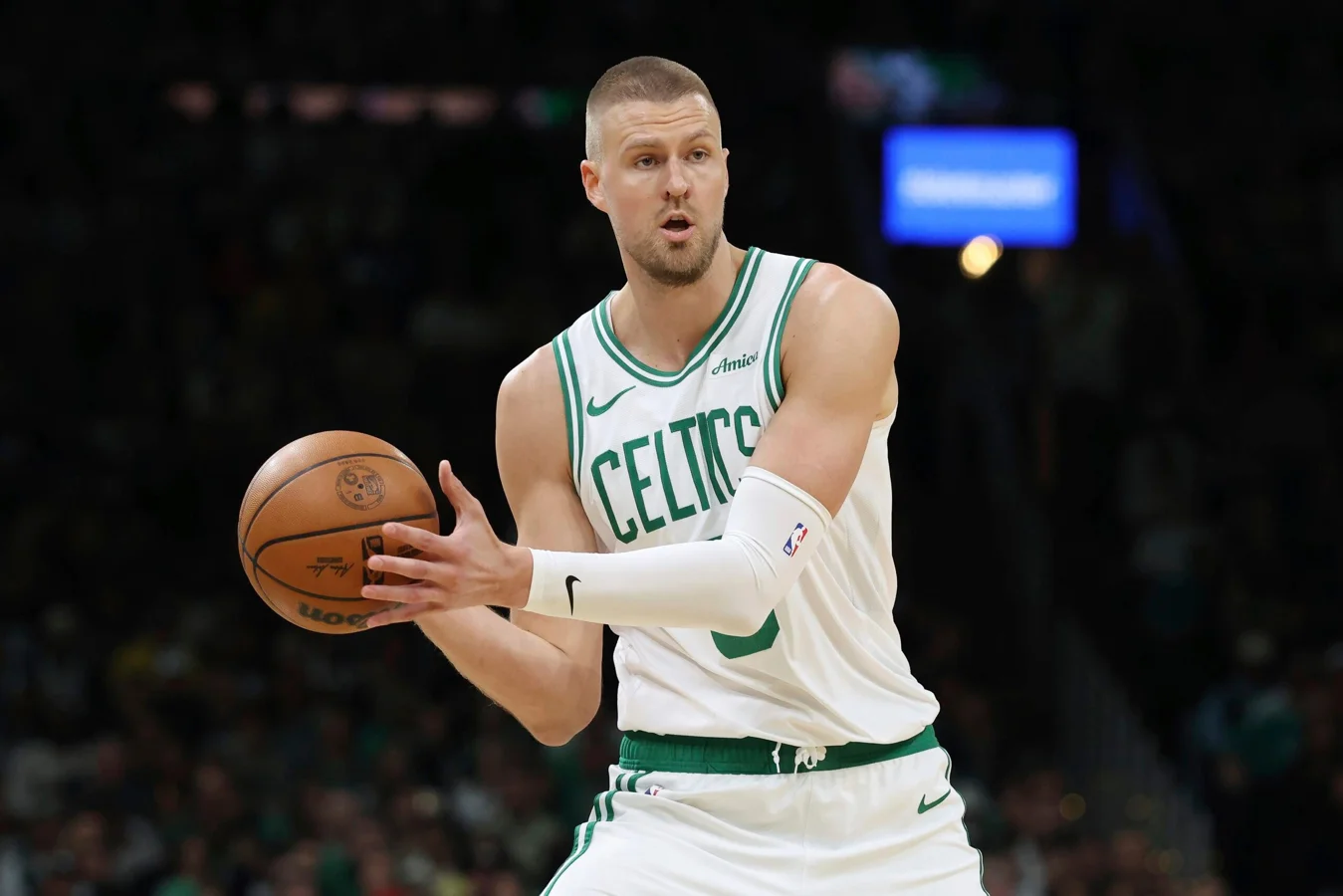

The Boston Celtics are entering a pivotal offseason with a pressing decision that could significantly influence the franchise’s future. Facing tight financial constraints, the team must decide whether to trade Kristaps Porzingis to avoid potential luxury tax costs nearing $140 million, a move that could ease immediate budget pressures but carries risks for their competitive prospects.
Managing Salary Cap and Future Team Stability
Typically aggressive in offseason moves, the Celtics are now compelled to recalibrate their approach due to mounting financial demands. Rather than focusing on roster expansion, their priority this summer is mitigating luxury tax penalties to maintain long-term stability. With aspirations of contending for a championship in 2026, the club recognizes the importance of balancing competitiveness with fiscal discipline.
Reports indicate that trading Porzingis could reduce the team’s luxury tax liability by an estimated $135 to $140 million next season, offering the Celtics increased salary flexibility. This financial relief is viewed as key to preserving the franchise’s sustainability, enabling strategic decisions on building a roster capable of sustained success.
Assessing Potential Trade Options Involving Porzingis
Among potential trade scenarios, Porzingis has been a focal point due to his expiring contract and mixed injury record. Analysts have speculated about a three-team trade that would send Porzingis along with Xavier Tillman to the Chicago Bulls, with the Celtics acquiring Brandon Clarke and Jay Huff from Memphis. Although this proposal could ease financial strain, it raises concerns about weakening Boston’s immediate on-court performance.
Both Clarke and Huff bring valuable skills but arguably lack the distinctive versatility Porzingis offers when healthy. The Celtics must weigh whether trading a player with significant upside is justified given the risks and cost savings. Porzingis’ health history adds complexity, as the franchise debates the potential long-term benefits against short-term sacrifices.
The Importance of This Offseason for Boston’s Direction
The decisions made now will reverberate through the Celtics’ future, impacting their competitiveness and financial health. Management must navigate the challenge of retaining a talented roster while avoiding unsustainable luxury tax penalties. How Boston addresses Porzingis’ situation will influence its ability to attract key players and invest in depth amid evolving NBA landscapes.
This crossroads demands careful judgment from the Celtics’ leadership. The choices here may define not only the upcoming season but the franchise’s trajectory for years, emphasizing the delicate tradeoff between fiscal responsibility and maintaining a championship-caliber team. The organization’s cautious but decisive approach embodies the challenging reality of managing elite sports teams in a complex financial environment.