

The professional life of a NASCAR driver involves more complexities than it appears on the surface. Although drivers earn significant income through racing and sponsorships, there are numerous behind-the-scenes financial challenges they face, including strict contractual obligations. Hendrick Motorsports’ leading driver, Chase Elliott, has opened up about how the flow of money operates between teams and drivers in NASCAR, shedding light on the economic intricacies involved.
With more than 19 career race victories, Chase Elliott has established himself as one of the top competitors in the sport. His success on the track translates into a substantial earnings portfolio, further supplemented by endorsements and brand partnerships. However, managing these earnings and fulfilling contractual requirements is far from straightforward.
Employment Status and Contractual Obligations Explained by Elliott
Elliott describes his relationship with Hendrick Motorsports as that of a contractor rather than a freelance athlete. He works directly for the team and is paid a salary by team owner Rick Hendrick, which creates a structured employment dynamic. Despite being 29 years old and highly successful, Elliott emphasizes that his role differs significantly from a typical freelance position.
Though functioning as an employee, Chase Elliott points out that NASCAR drivers do not receive the conventional corporate benefits usually associated with employment, such as healthcare insurance or other typical perks. Drivers are responsible for managing their own medical expenses and insurance arrangements independently.
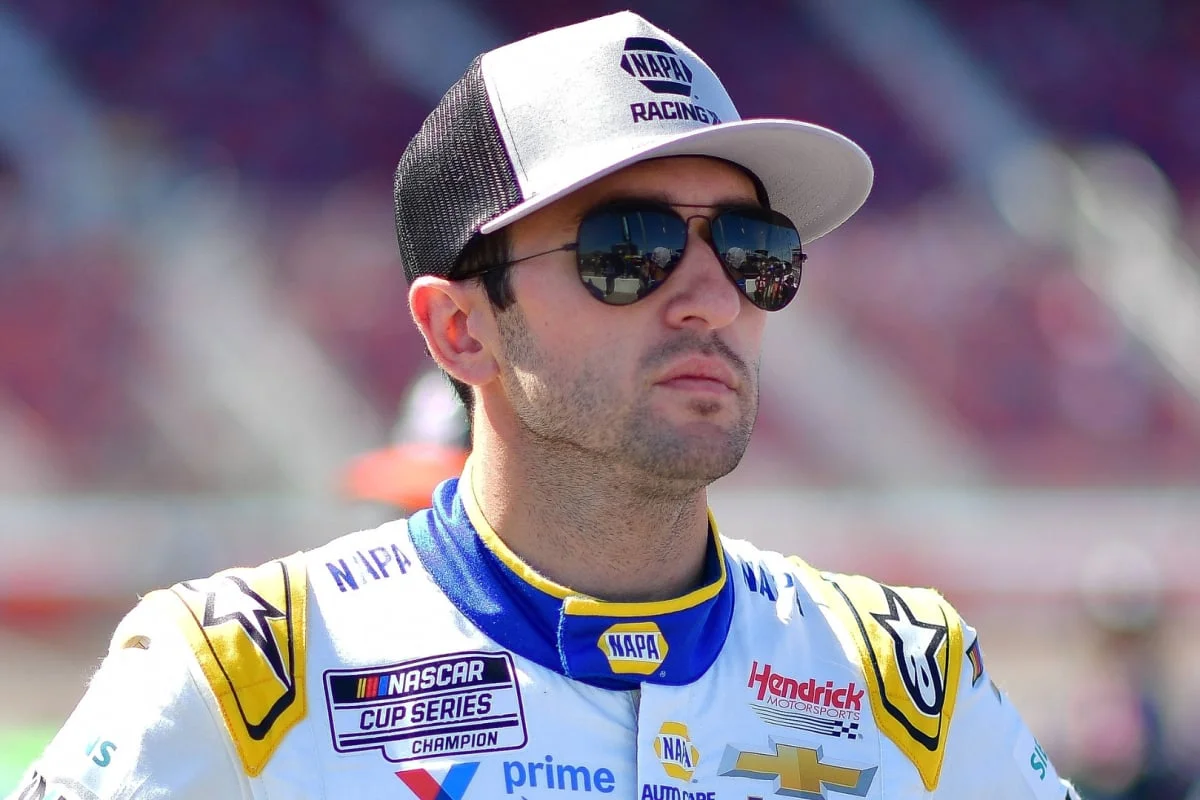
“I work for Hendrick Motorsports. So, I’m basically a contractor of Hendrick Motorsports. I work for them. Rick is my boss, and he pays me. You’re not just a freelance dude. I’m very much employed by HMS. But you are responsible for all the things you’re talking about, whether it is health insurance or that sort of thing.”
—Chase Elliott, on the MeatEater Podcast
Thoughts on NASCAR’s New Podium Celebrations During Mexico City Race
The first-ever Mexico City Cup race attracted a large audience both on-site and globally. Although the road course layout received mixed reactions from fans, the competition itself was engaging. Shane van Gisbergen claimed the victory, while NASCAR experimented with a Formula 1-style podium celebration that included trophies and champagne spray. Finishing third in the race, Chase Elliott shared his candid feelings about this introduction to NASCAR tradition.
He noted that podium celebrations are not customary in NASCAR despite their popularity in many other sports. Elliott expressed openness to the new approach but also showed comfort in preserving NASCAR’s traditional style of celebration without the typical podium rituals.
“It’s (podiums) not normal for us, so I am okay with it. I am okay with doing it (or) I am okay with not doing it. If that is going to be a new thing, then it’s totally fine and we can start a new tradition. But that has not historically been us.”
—Chase Elliott, to Cup Scene
Growth of NASCAR and Future Prospects for Drivers
NASCAR has seen a steady rise in its fan base in recent years, boosted by the increasing overall popularity of motorsports. Expanding the racing calendar to include events in various countries and continents, such as Mexico, aims to grow its global audience further. However, some fans have shown resistance to these changes, preferring the sport’s traditional formats.
Despite mixed reactions, the evolving international presence is expected to benefit drivers financially as the sport gains new sponsorship opportunities and revenue streams. This progression may help alleviate some of the economic difficulties faced by drivers like Elliott and others on the circuit.
As NASCAR continues to explore new markets and traditions, drivers and teams will be adapting their approaches to contracts and earnings management, striving for better stability in a competitive environment.