
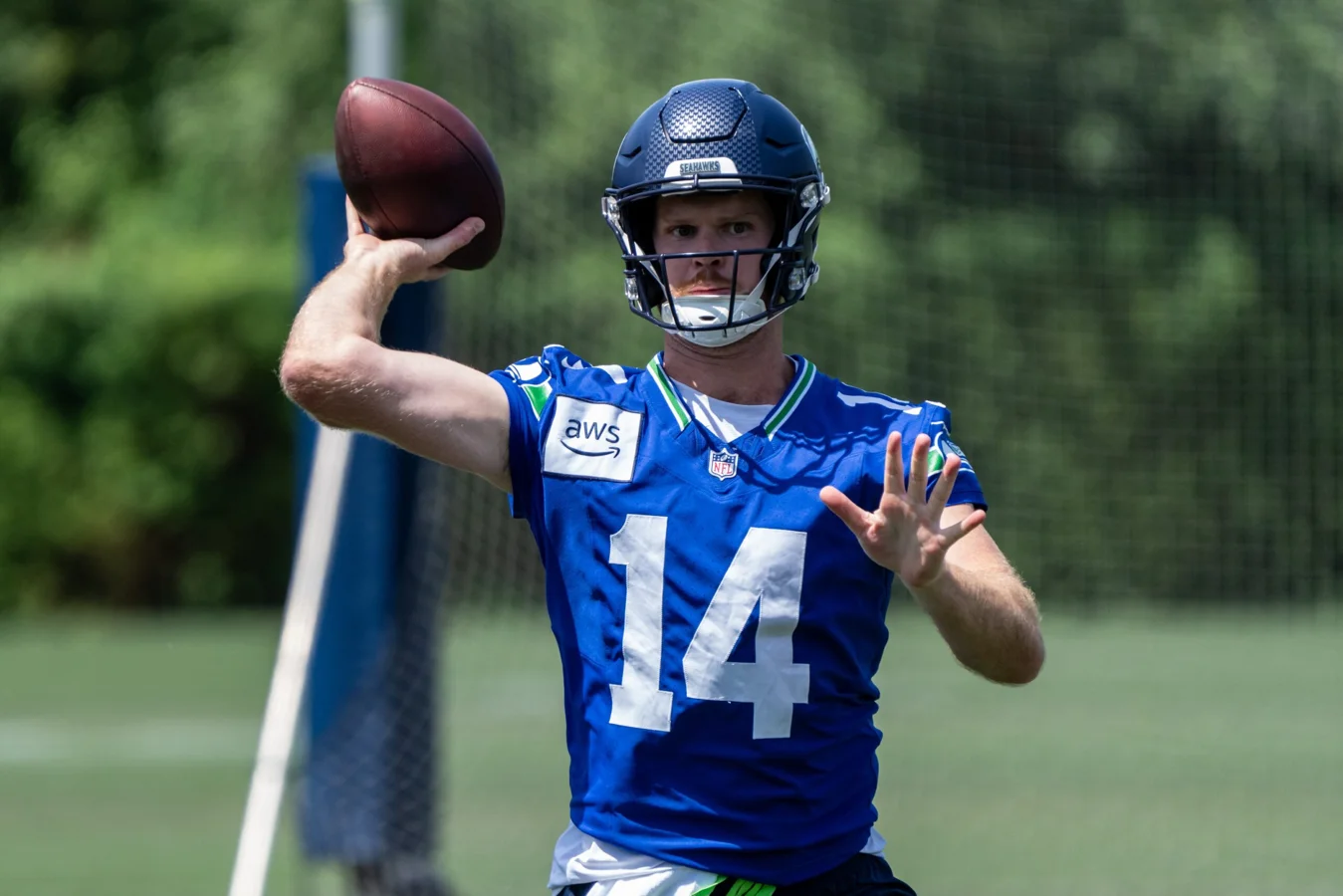

Seattle Seahawks quarterback Sam Darnold possesses mobility, strong arm talent, and the athletic ability to create plays outside structured game plans. His most notable moments have demonstrated his capability to perform under pressure, such as his memorable Week 16 game last December with the Minnesota Vikings. In that rainy Lumen Field contest, Darnold engineered a clutch 39-yard touchdown to Justin Jefferson while moving in the pocket, helping secure a comeback win during a season that saw the Vikings reach 14 victories.
Despite these flashes of brilliance, experts believe Darnold’s peak performance emerges when he operates within a rhythm-based offense, emphasizing quick decision-making and rapid ball release. NFL Network analyst Daniel Jeremiah explained that Darnold excels when focused on getting the ball out swiftly rather than prolonging plays or searching for explosive opportunities that require more time and risk.
Daniel Jeremiah’s Insights on Darnold’s Optimal Approach
On Seattle Sports’ Brock and Salk podcast, Daniel Jeremiah provided an in-depth view of what makes Darnold most effective. He said,
You want to hunt explosive (plays), and sometimes that can take time, and sometimes you have to have some sacks in order to get explosive plays,
Jeremiah said Wednesday on Seattle Sports’ Brock and Salk.
But I think Sam is at his best when he’s a back-foot, one hitch and get the ball out. When he does that and he plays and finds himself in that kind of rhythm, I think that’s when he’s at his best.
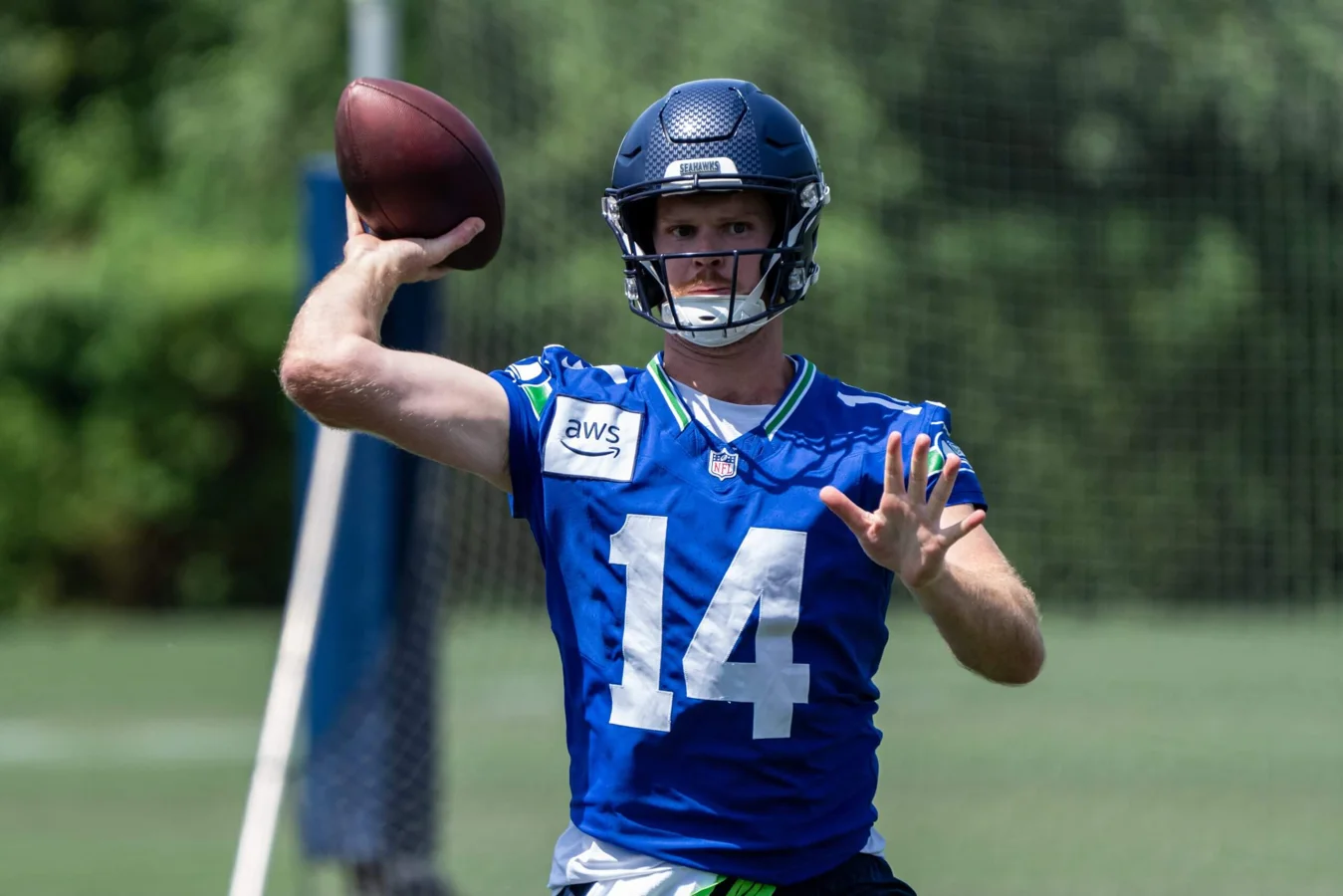
Adding historical context, Jeremiah connected this tendency to Darnold’s college experience at USC.
And I think that really goes back to (his college days at) USC. When he tried to get outside of the scheme a little bit, yeah, he can do that. He’s a good athlete. But I don’t think that’s when he’s at his best.
Jeremiah’s analysis aligns with a trend seen throughout Darnold’s career — a caution against holding the ball too long. Last season, Darnold experienced one of the highest sack totals among quarterbacks and maintained an average time to throw close to 3.08 seconds, ranking among the slowest for qualified signal-callers, as reported by Pro Football Focus.
Efficiency When Releasing Quickly and Seahawks’ Receiving Corps Questions
Despite challenges with holding the ball, when Darnold released passes quickly, he performed highly efficiently. According to PFF, on passes released within 2.5 seconds of the snap, Darnold recorded an exceptional 82.2% completion percentage, coupled with 10 touchdowns and only two interceptions. However, this success occurred primarily within the Vikings’ offense, which featured an elite receiving duo of Justin Jefferson and Jordan Addison.
Seattle’s new receiving corps, led by promising talents Jaxon Smith-Njigba and Cooper Kupp, faces questions about whether it can provide Darnold with timely, open passing opportunities that match this rhythm-focused style. Daniel Jeremiah expressed cautious optimism about how these weapons will fit into new offensive coordinator Klint Kubiak’s system. He noted both Smith-Njigba and Kupp have the quickness and ability to create separation early.
Both those guys can win early,
Jeremiah said.
They have the quickness to win early to be able to give you on-time throws.
Anticipating the Seahawks’ Offensive Evolution and Darnold’s Impact
With Klint Kubiak’s offense aiming for increased tempo and rhythm, the Seahawks hope to maximize Sam Darnold’s strengths by encouraging faster decision-making and quicker throws. This approach could help reduce sacks and leverage Darnold’s athleticism within structured timing and scheme. How well Jaxon Smith-Njigba and Cooper Kupp integrate into this offensive rhythm will be crucial for Darnold’s success and Seattle’s overall passing efficiency.
Given Darnold’s historical tendencies and Jeremiah’s analysis, this adaptation might unlock some of his best performances with the Seahawks. As camp progresses and more practice observations emerge, fans and analysts alike will watch closely to see if the Seahawks can harness an offense that plays to Darnold’s capabilities and, in turn, improves the team’s competitiveness.