
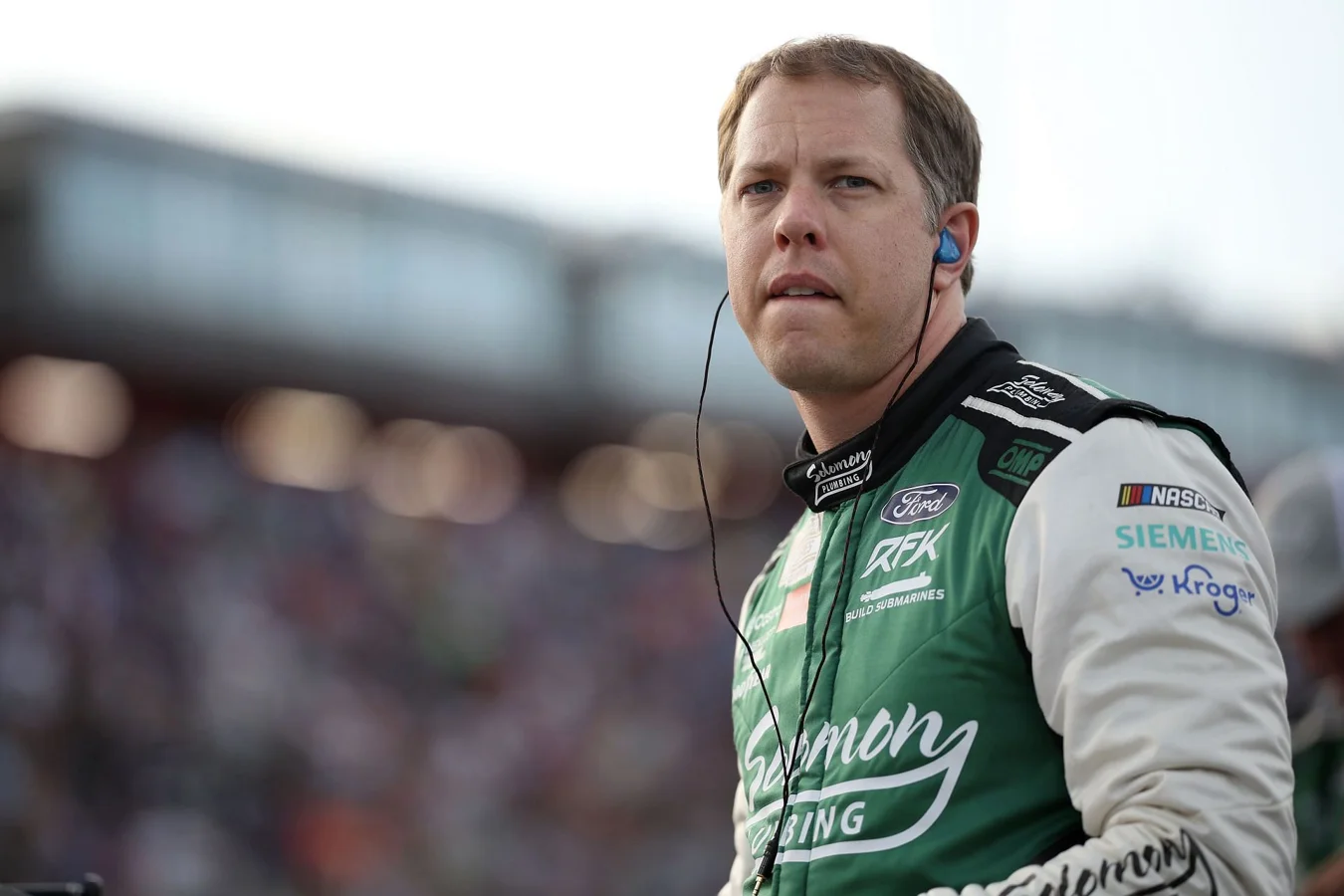

The NASCAR race held at the Autodromo Hermanos Rodriguez in Mexico City drew mixed reactions from teams and drivers, with concerns rising over driver health after the international event on June 15, 2025. While some welcomed the opportunity to compete at a new road course outside the United States, many participants reported significant difficulties adapting to local conditions, leading to widespread illness among drivers in the days following the race. Brad Keselowski, finishing 25th in the event, revealed alarming details about ongoing health problems affecting the drivers even after the race had ended.
Mexico’s vibrant culture and distinctive local cuisine attracted drivers to explore the area, but adapting to the new environment posed a challenge for many. Several drivers faced discomfort from consuming local food and water, which took a toll on their overall wellbeing during the race weekend. While a few athletes avoided engaging with local activities to focus solely on racing, numerous participants struggled with symptoms linked to dehydration and sickness due to inadequate adjustment to the unfamiliar conditions.
Throughout the race weekend, many drivers were visibly unwell, with some experiencing nausea and dehydration. In an attempt to avoid illness, some drivers refrained from drinking local water; this precaution, however, exacerbated dehydration issues and caused headaches during the competition. Though Keselowski appeared to be less affected during the event itself, he disclosed that many drivers were still battling lingering health issues by the time they reached the following race at Pocono.
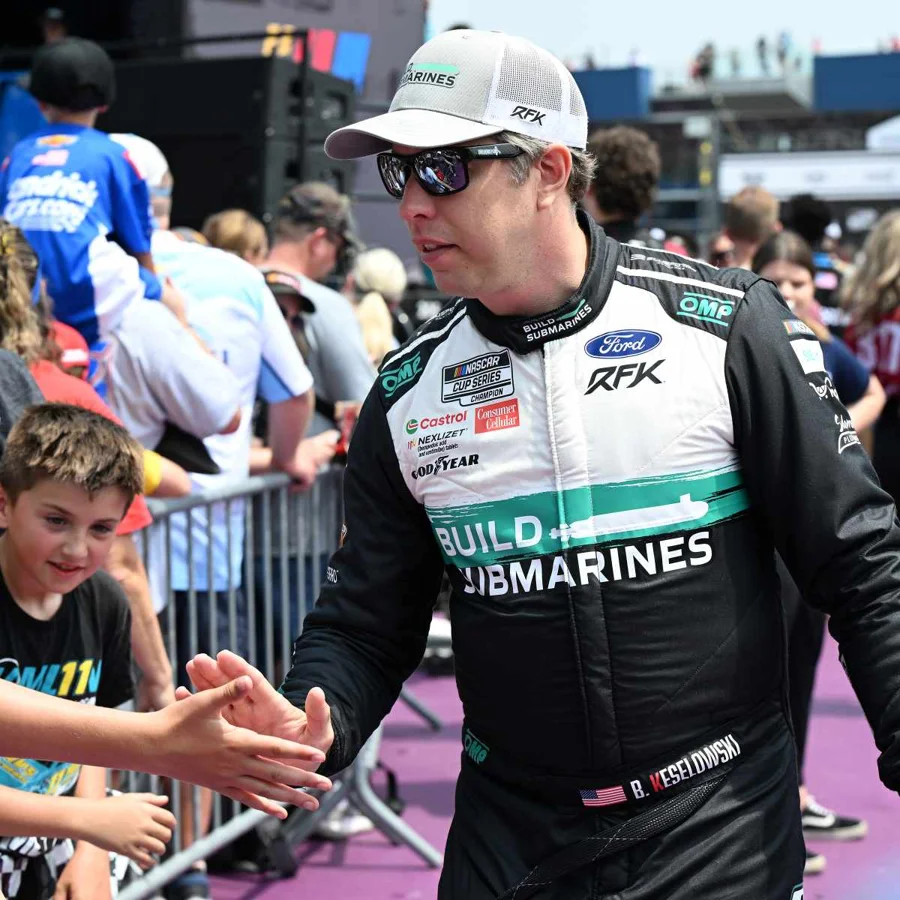
Keselowski Highlights Unprecedented Illness Among Competitors
Brad Keselowski took to social media platform X to voice concerns regarding the health conditions affecting drivers after the Mexico City race. Keselowski emphasized the unusual scale of sickness among his peers and the continued impact it had on their performance and recovery at subsequent events. His comments suggested that NASCAR officials may need to reconsider the viability of international races like Mexico City, given the adverse health effects on drivers.
Most all of the drivers are still sick and dehydrated from last week. I’ve never seen so many sick drivers before the start of the race. — Brad Keselowski, NASCAR driver (@keselowski/X)
This rare statement underscores a growing issue related to racing overseas, where lifestyle adjustments such as water quality and food intake can directly affect driver health and race readiness. Keselowski’s observation came during the driver intros before the Pocono race, reinforcing the severity of the problem that many in the sport had not encountered before on this scale.
Amazon Prime’s NASCAR Broadcast Praised by Keselowski
Beyond his health concerns for drivers, Keselowski also expressed considerable appreciation for Amazon Prime’s approach to NASCAR race coverage during the Pocono event. Amazon Prime, having secured exclusive streaming rights for five NASCAR Cup Series races this season, introduced innovative broadcast elements including an in-depth post-race show. This format allowed viewers to catch highlights without watching the entire race, an option Keselowski welcomed for its convenience and quality.
I love that you guys have a post-race show because when I wanna know what happened in the race, I can watch the Amazon post show. I don’t have to re-watch the whole race. So thank you for that. Everybody at Amazon. I hate that this is your last race of the year. — Brad Keselowski, NASCAR driver (@kdsportswriter/X)
Keselowski’s endorsement reflects the positive reception of newer broadcasting strategies, which are designed to enhance the viewer experience and cater to modern consumption habits. His comment also expressed disappointment that Pocono would be Amazon Prime’s final race coverage of the current agreement, hoping the streaming service would return for future seasons.
Impact of Mexico Race and Future Prospects for NASCAR
The Mexico City event represents a significant attempt by NASCAR to expand its footprint beyond the United States and engage with new markets. However, the health issues raised by Keselowski and others highlight the logistical and medical challenges linked to international races. The difficulty drivers faced adapting to local conditions raises questions about planning and support for overseas events going forward.
NASCAR’s recent innovations, including the Mexico race’s Formula 1-style podium celebrations and expanded broadcast partnerships, show intent to evolve the sport and broaden its audience. Yet the sustainability of racing abroad may depend heavily on addressing the health and welfare concerns drivers have brought to light.
The community’s response to Keselowski’s candid revelations may influence NASCAR’s decisions on whether to continue scheduling races outside the U.S., as driver wellbeing remains paramount. Balancing global expansion efforts with the physical demands on athletes will likely be a key focus in upcoming discussions between organizers, teams, and driver representatives.