
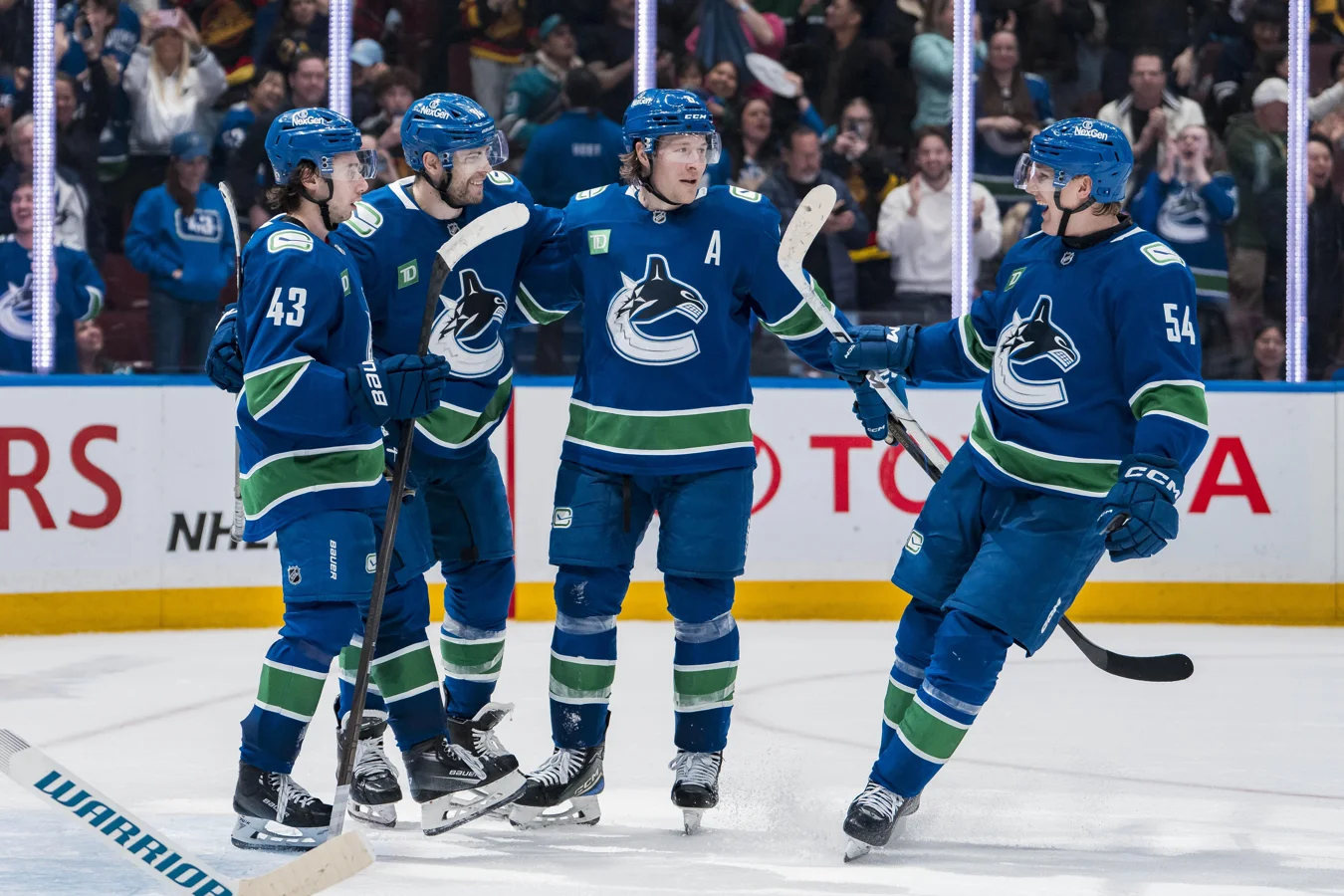

The Vancouver Canucks face mounting uncertainty regarding Brock Boeser‘s future as the offseason approaches, making the search for suitable replacements urgent. Though insider Rick Dhaliwal suggested Boeser might reconsider if other offers falter on July 1, the weak free agent market makes a return increasingly unlikely. Consequently, the Canucks must explore options to fill Boeser’s role, whether through free agency, trades, or promoting talent already within their system.
Exploring the Free Agent Market: Could Nikolaj Ehlers Be the Ideal Fit?
Nikolaj Ehlers stands out as the most prominent free agent available, aside from marquee name Mitch Marner. Like Boeser, Ehlers is expected to test the market once free agency opens on July 1. Former Canuck Jannik Hansen speculates Ehlers may prefer joining Patrik Laine in Montreal, but Vancouver would be wise to thoroughly explore his interest. Ehlers possesses many qualities that make him an ideal Boeser replacement, notably his speed and scoring ability as a top-line winger. While Ehlers has never surpassed the 30 or 40-goal mark, he consistently delivers at least 25 goals per season and could provide vital offensive support alongside Elias Pettersson.
An important differentiator is Ehlers’ exceptional speed, which is an asset Boeser lacks. His ability to generate open ice could rejuvenate Pettersson’s performance and help the top line regain elite status. However, signing Ehlers will be costly. Rumors suggest his average annual value (AAV) could approach $9 million, potentially exceeding Boeser’s previous contract. AFP Analytics estimates an $8.10 million AAV on a six-year deal, a term slightly longer than the five years offered to Boeser. Despite its expense, acquiring Ehlers may be the best strategic move for Vancouver to fill a critical void on the roster.
Trade Possibilities: JJ Peterka as a Promising Young Scorer
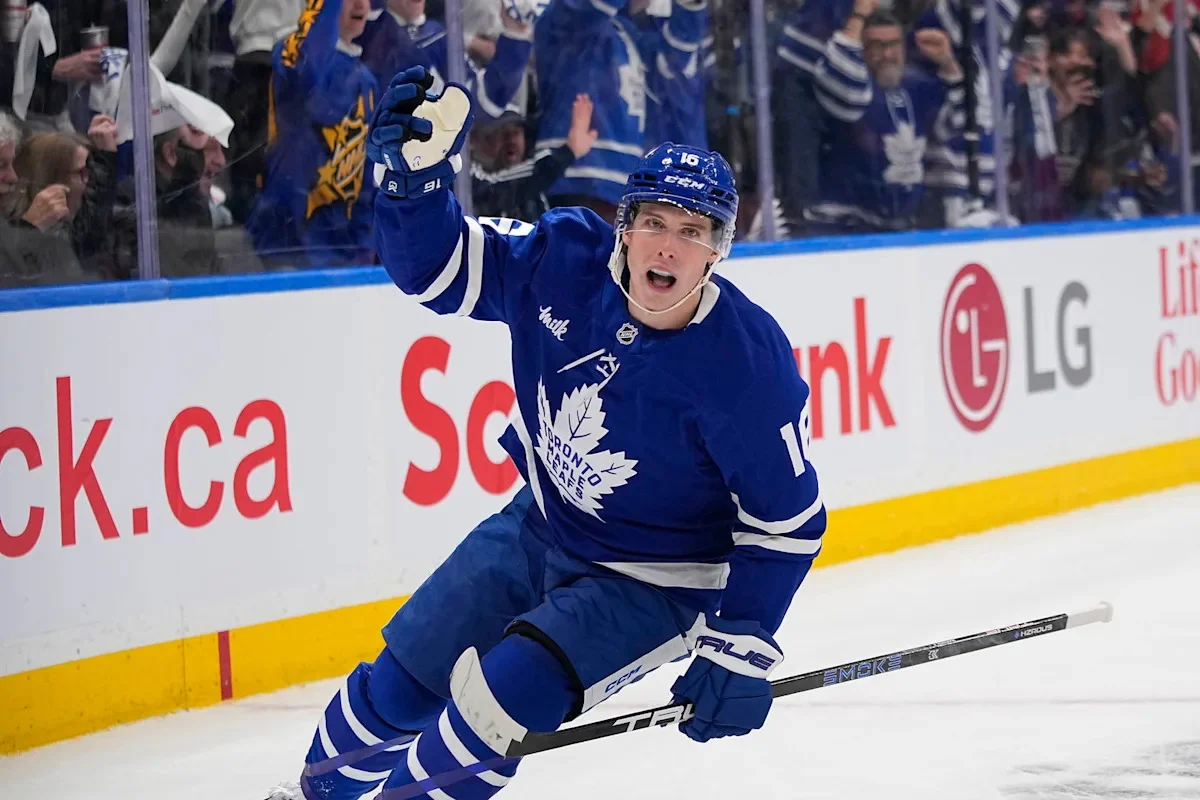
Trade rumors linking JJ Peterka to the Canucks persist, with reports also including BC native and former Vancouver Giant Bowen Byram in potential trade discussions. A package deal involving both players could rival blockbuster trades such as Mikko Rantanen’s move, possibly even surpassing them in impact. The Sabres, Peterka’s current team, appear to desire roster players who can immediately contribute for a playoff push, rather than prospects or future assets, which complicates any trade proposal.
The Canucks’ current roster depth offers limited valuable trade chips, especially among established players. Some speculation suggests Elias Pettersson could be involved in such a trade, but this presents positional challenges. Acquiring Peterka and Byram would bolster the first right wing (1RW) and add a top-four defenseman, but it would leave the Canucks thin at center. Filip Chytil would emerge as the first-line center, with Teddy Blueger and Aatu Raty filling secondary roles, unless Vancouver manages to re-sign Pius Suter. This scenario does not provide an ideal lineup balance.
Nevertheless, Peterka would be an excellent long-term replacement for Boeser. At 23 years old, he already has two consecutive 25-goal seasons (28 in 2023-24 and 27 in 2024-25), demonstrating his scoring capabilities at the NHL level. If the Canucks can acquire him without parting with Pettersson, Peterka could complement the former 102-point player on the top line and potentially recreate the dynamic chemistry seen in 2022-23 alongside Andrei Kuzmenko.
Internal Talent: Jonathan Lekkerimaki’s Potential to Step Up
The Canucks may already have an internal candidate to fill Boeser’s shoes in 2022 first-round pick Jonathan Lekkerimaki. However, it may be premature to assign a heavy scoring responsibility to a player with only three NHL goals across 24 games. Expectations for him would include reaching at least 20 goals and becoming a significant contributor on the power play, roles Boeser excelled in during his last two seasons. Lekkerimaki’s potent wrist shot and one-timer suit this role, but expecting such output from a 20-year-old in his second professional season in North America may be optimistic.
Boeser reached 29 goals at age 20 in the 2017-18 season, but he arrived with extensive NCAA experience and had long adapted to North American ice. Lekkerimaki had a solid rookie year in the American Hockey League (AHL) with Abbotsford Canucks, scoring 19 goals in 36 games and showing moments of readiness for NHL grind. His NHL call-ups have been serviceable but not yet remarkable compared to his success in Sweden and international junior tournaments.
His recent struggles in the AHL playoffs, including healthy scratches during critical Western Conference Final games and the Calder Cup Final, suggest he might benefit from another year to hone his skills. Still, giving him a shot as a top-six winger and first-unit power-play trigger man immediately could accelerate his development. He has demonstrated a lethal shot, highlighted in Game 4 against the Charlotte Checkers when he scored a powerful one-timer past goalie Kappo Kahkonen.
The kid has ice in his veins. He doesn’t shy away from big moments, and tonight he had two quality looks and made them count. That’s the type of player he is when given the opportunity and put in the right spot.
— Manny Malhotra, Head Coach
With that endorsement from Manny Malhotra, giving Lekkerimaki an immediate role on the top line might reveal his true potential. The Canucks could be taking a risk, but the payoff might be rewarding, potentially producing another Calder Trophy finalist or even winner like Boeser was in his first full NHL season.
Looking Ahead: An Offseason Filled with Challenges and Urgency
The upcoming weeks will be critical for the Canucks as they navigate the offseason, the draft, and free agency. Vancouver urgently needs at least two forwards— a top-six center and a top-six winger—positions that are difficult to fill, especially with a weak free agent pool. General manager Patrik Allvin and his team are reportedly exploring all avenues, from top free agents to high-profile trade targets, but success is uncertain.
Adding to the challenge is the team‘s unstable environment, marked by locker room tensions and another coaching change, which could complicate player acquisitions and integration. As a result, the trade market might offer the most practical opportunities to upgrade the roster. Regardless of the path chosen, Vancouver’s offseason promises to be anything but dull, with significant decisions looming that could shape the team’s future for years to come.