
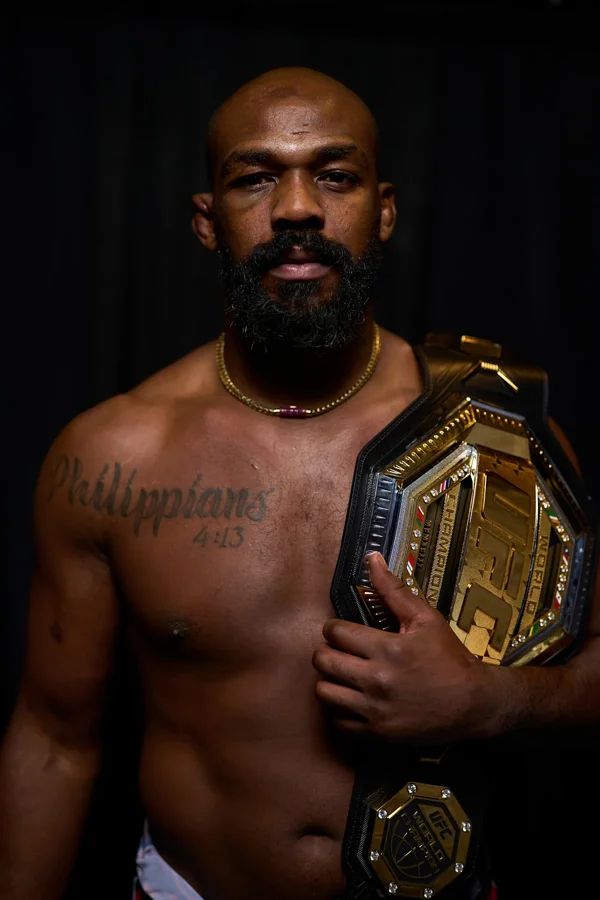

Jon Jones, widely regarded as one of the most talented fighters in mixed martial arts history, officially retired from the UFC over the weekend, marking the end of an era for the sport. Known for his exceptional achievements and dominant reign as the light heavyweight champion, Jones’s UFC retirement legacy is marked by both extraordinary success and persistent controversy.
His departure from MMA was quietly announced by UFC President Dana White during a post-fight press conference at UFC Fight Night in Azerbaijan, reflecting a low-key exit for a fighter whose career was anything but ordinary.
Early Career: Rapid Rise and Early Setbacks
Jones, a native of Rochester, New York, entered the MMA scene in 2008 at just 20 years old. In less than half a year, he impressed the UFC enough to earn a contract, making his promotional debut at UFC 87 with a decision win over Andre Gusmao. Early in his UFC tenure, Jones appeared on major cards, including UFC 94 and UFC 100, competing against notable opponents.
His sole official loss came in his fourth UFC appearance, a disqualification against Matt Hamill for illegal 12-to-6 elbows, despite his dominant performance in that fight. This blemish early on did not slow his momentum.
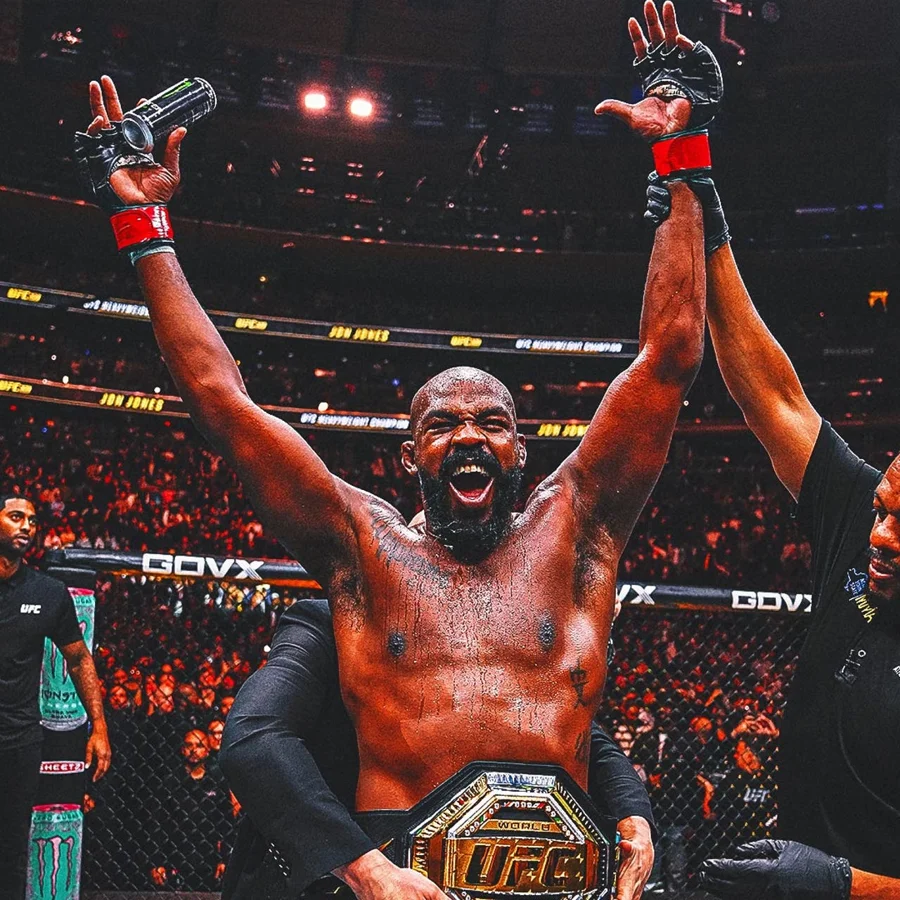
Dominance at Light Heavyweight: Unmatched Winning Streak and Championship Glory
Between 2010 and 2015, Jones was nearly unstoppable in the light heavyweight division. After decisive victories over top contenders like Brandon Vera, Vladimir Matyushenko, and Ryan Bader, Jones earned a title shot just six weeks later. At UFC 128, he captured the light heavyweight championship from Mauricio “Shogun” Rua, stepping in on short notice after Rashad Evans, his teammate, was injured.
That day was notable off the cage as well when Jones intervened to stop a robbery in a New Jersey park hours before his fight, showcasing a contrasting image to the turbulence that would later affect his career.
Jones became the youngest UFC champion and went on to defend his title against a series of former champions including Quinton “Rampage” Jackson, Lyoto Machida, Rashad Evans, and Vitor Belfort. His fights were often marked by physical dominance and strategic excellence, including a legendary bout against Alexander Gustafsson that earned a place in the UFC Hall of Fame.
Rivalry and Rising Troubles: Feud with Daniel Cormier and Legal Issues
Jones’s rivalry with Daniel Cormier began during his first championship reign and intensified both inside and outside the Octagon. The two clashed publicly in 2014, resulting in fines and community service for Jones following a backstage altercation. Despite the tension, Jones secured a unanimous decision victory over Cormier at UFC 182 in 2015, in what was considered one of his most challenging fights.
Shortly after that fight, Jones tested positive for cocaine metabolites, leading to a voluntary rehab stint and fines. His personal struggles would multiply shortly after.
In April 2015, Jones was involved in a hit-and-run accident that injured a pregnant woman and fled the scene. Authorities found marijuana in his vehicle, and Jones pleaded guilty to leaving the scene of an accident involving injury. This resulted in an indefinite suspension and the stripping of his title.
Although he was reinstated later that year, further legal troubles followed, including violations of probation and multiple driving-related incidents, complicating his standing with the UFC and regulatory bodies.
Championship Recaptures and Doping Controversies
Jones won an interim light heavyweight title in 2016 after Cormier became champion in his absence. However, a doping violation forced Jones to be pulled from UFC 200, with a retroactive suspension following later that year. His emotional press conference denied cheating, but his reputation suffered significantly. When he returned to fight Cormier again at UFC 214 in 2017, Jones scored a third-round TKO that earned him the undisputed title.
The victory was later overturned after evidence proved Jones had steroids in his bloodstream during the fight, resulting in the loss of his title once again. Jones took another extended break before reclaiming the vacant title by defeating Gustafsson in 2018 at UFC 232. That event itself was moved to California after the Nevada State Athletic Commission refused to license Jones due to lingering steroid traces in his system.
Challenges in Title Defenses and Continued Legal Problems
Jones’s reign following UFC 232 included several controversial title defenses. He defeated Anthony Smith despite losing points for illegal moves and narrowly won a split decision over Thiago Santos, who battled through a severe knee injury. Around this period, Jones was charged with battery following an altercation at a strip club but pleaded no contest to the charges.
Jones’s final light heavyweight title defense came against Dominick Reyes at UFC 247 in 2020, a fight many critics believed Reyes had actually won. Shortly after, Jones was arrested for aggravated DWI and firearm mishandling following an incident where he reportedly fired a gun while intoxicated.
Amidst rising legal and financial conflicts, Jones vacated his light heavyweight title, implying a shift in focus to the heavyweight division.
Transition to Heavyweight and Mixed Reception
Jones took a three-year break to bulk up for the heavyweight class, during which time Francis Ngannou emerged as the division’s top fighter. Jones’s heavyweight return was delayed until after Ngannou’s departure from the UFC. His comeback fight was against Ciryl Gane at UFC 285 in March 2023, where Jones quickly won by submission and claimed the heavyweight title that had been vacated due to Ngannou’s contract dispute.
Although Jones became one of only two fighters in UFC history to hold titles in two weight classes, his heavyweight reign did not convince many fans and analysts that he was the division’s best. This perception was accentuated by his avoidance of the interim heavyweight champion Tom Aspinall, who had won the interim title in late 2023 while Jones was sidelined by a labrum injury.
Instead of facing Aspinall, Jones and UFC executives insisted on a title defense against the former heavyweight champ Stipe Miocic, who was well past his prime and had suffered a knockout loss to Ngannou two years earlier. Miocic was considered close to retirement, while Aspinall was active and defending his interim crown.
At UFC 309 in November 2023, Jones defeated Miocic by decision in a fight viewed by many as a mismatch, yet he postponed facing Aspinall for months afterward.
I obviously feel bad for Tom, that he lost all that time and obviously money,
Dana White stated, referencing the delays and frustrations in arranging a fight between Jones and Aspinall, adding that Jones initially agreed but later withdrew.
Speculation among observers suggests Jones never intended to fight Aspinall, instead opting for more convenient or lucrative matchups. Jones expressed interest in entertaining fights with Derrick Lewis, Jamahal Hill, and Alex Pereira before Pereira lost his light heavyweight title.
Dual Legacy: Athletic Brilliance Overshadowed by Controversy
Jon Jones’s UFC retirement legacy remains deeply conflicted. His elite skills, fight IQ, and unique physical attributes made him one of the most formidable champions MMA has ever seen. His long reach, effective striking, and intelligent ring control were instrumental in many dominant wins. Technically sound, he developed a reputation for the best jab in the sport and used unconventional strategies such as oblique kicks that tested the boundaries of fairness.
However, Jones was no stranger to controversy. His career was marred by numerous failed drug tests, legal issues, and questionable sportsmanship, such as frequent eye pokes. These events have cast shadows on his achievements and complicated discussions about his status as MMA’s greatest of all time.
While Jones maintains a strong fan base appreciative of his in-cage greatness, his legacy will forever be annotated with moral and ethical concerns due to multiple confirmed doping violations and legal problems.
Looking Ahead: Retirement and Personal Reflection
With retirement now official, Jon Jones steps away from the sport carrying a remarkable yet polarizing legacy. Beyond his professional achievements, the hope among fans and insiders is that Jones uses this time to find peace and heal from both the physical toll of a 17-year fighting career and the personal challenges he has faced.
His story stands as a cautionary yet inspiring tale in MMA history, illustrating the interplay between exceptional talent and human vulnerability.