
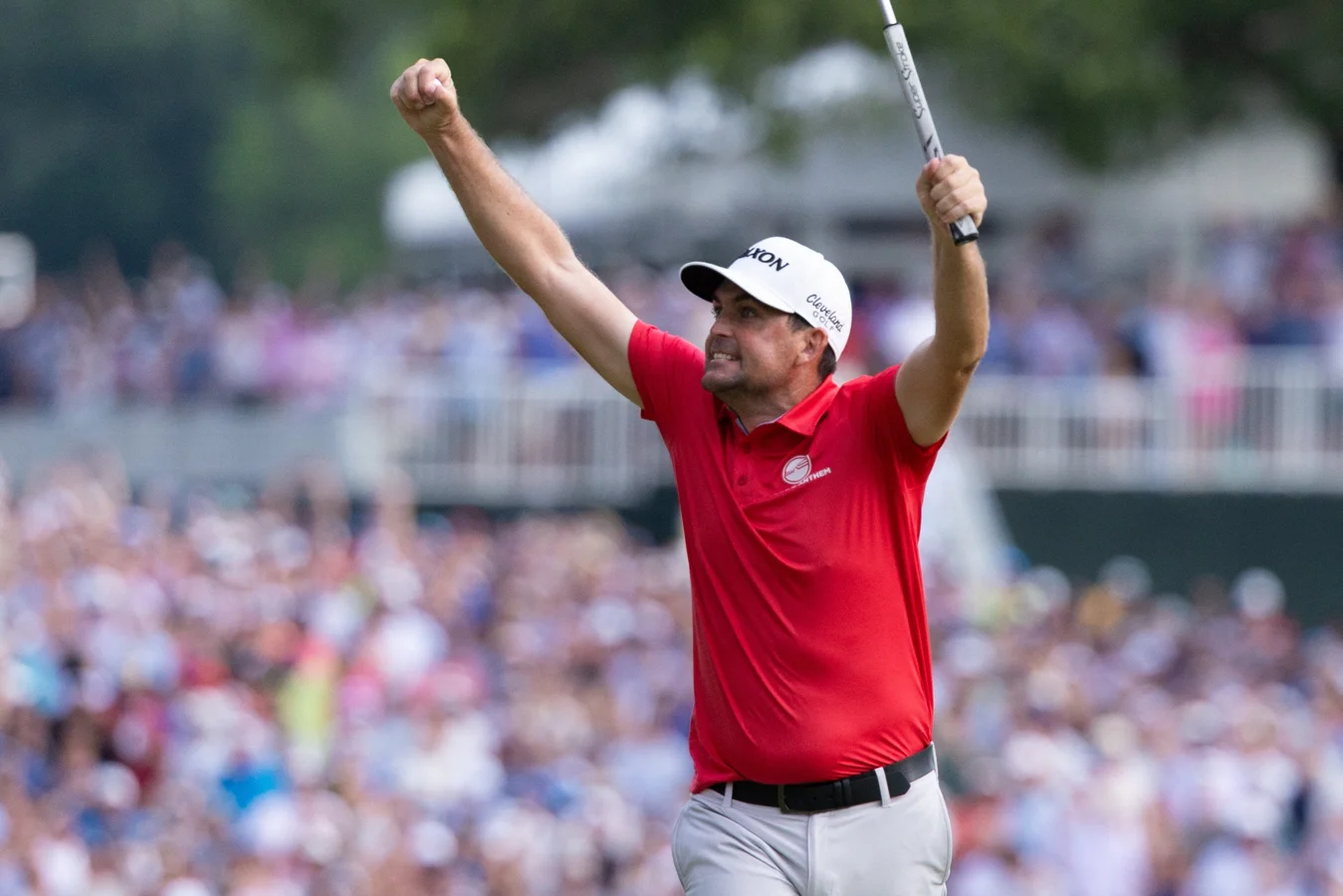

Tommy Fleetwood continues to affirm his high standing in professional golf, demonstrating remarkable skill and consistency as he chases a breakthrough win. Despite his notable PGA Tour performances, he remains without a victory, raising questions about what might be holding him back mentally, even as his game positions him for success.
Known for his exceptional swing, Fleetwood impresses with an elegant and controlled technique that many consider among the best worldwide. While his putting is solid, occasional issues with putting pace seem to undermine crucial moments. Nonetheless, his repeated near-finishes demonstrate his ability to compete under pressure consistently.
Fleetwood has garnered more top 10 finishes on the PGA Tour without capturing a title than any other player, which has led observers to wonder whether a change in mental approach or external support could help unlock his potential. Despite the frustration of finishing close yet not clinching wins, there is widespread belief that once he breaks through, his victories will come in succession.
Analyzing Fleetwood’s Strengths and Challenges in Competition
Throughout tournaments, Fleetwood often starts strong, playing well in the initial rounds by maintaining a free-flowing style. However, as events progress into the final stages, where pressure intensifies, small lapses, especially in putting pace, seem to emerge. These subtle issues leave him vulnerable at key moments, delaying the victories he appears poised to achieve.
His previous results include an impressive runner-up finish at Royal Portrush during the Open Championship, a course suited to his game. Additionally, Fleetwood has won seven times on the DP World Tour, including significant events, but those victories have not carried the same weight for some American fans and commentators who emphasize PGA Tour wins.
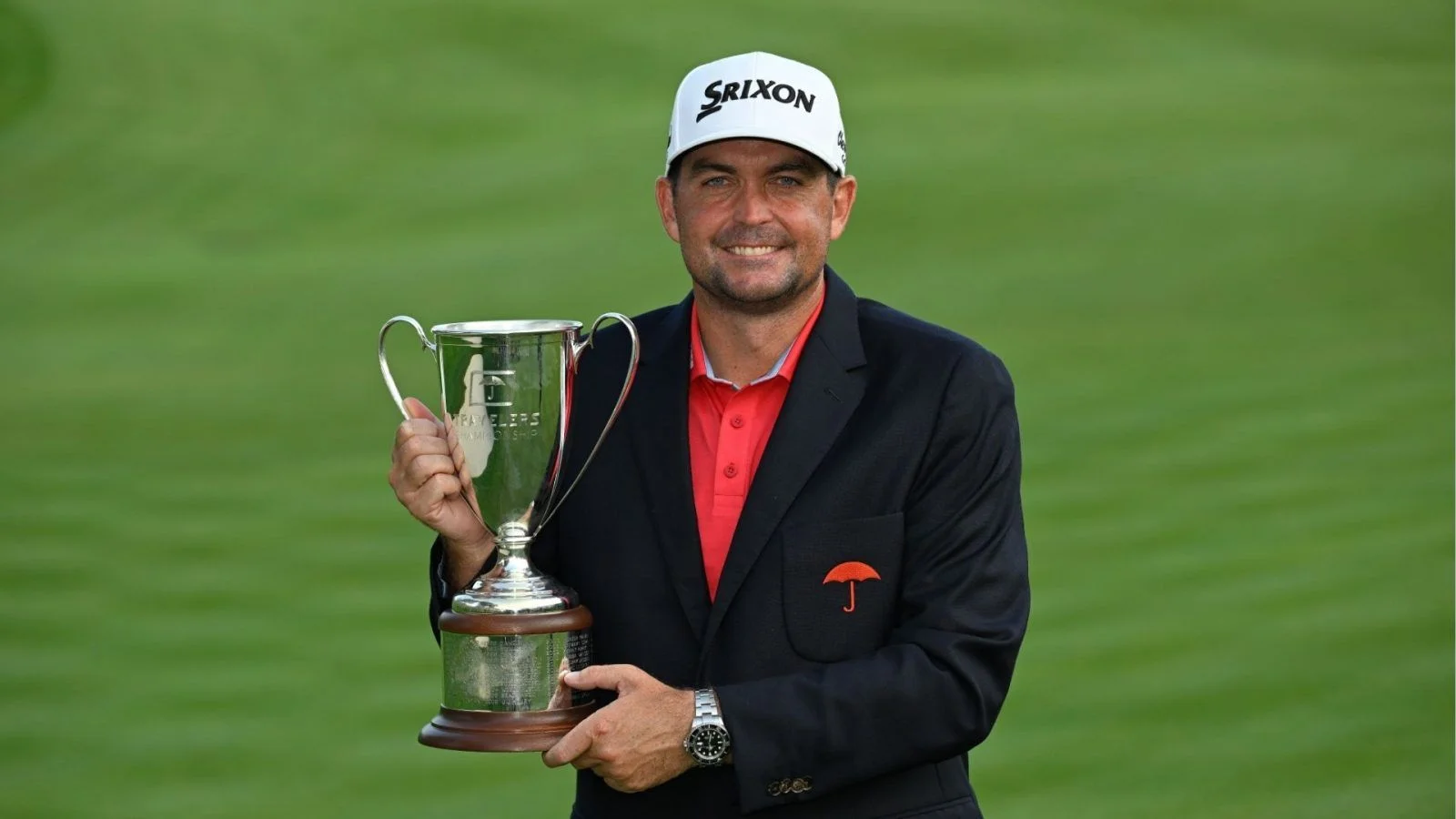
Locker room talk and external skepticism occasionally focus on Fleetwood’s lack of a PGA Tour title, which remains a hurdle in his reputation among certain audiences. Nevertheless, his performance at recent events such as the Travelers Championship has reinforced his belief in his ability to succeed at the highest levels.
Keegan Bradley’s Complex Situation Regarding Ryder Cup Participation
Keegan Bradley faces a challenging decision as the Ryder Cup approaches, caught between playing on the team as one of the world’s top-ranked golfers and the possibility of taking on a captain role. Currently ranked seventh worldwide, Bradley is almost certain to earn a place on Team USA through merit, making it difficult to justify stepping aside.
The dilemma stems from the traditionally complex nature of a playing captain role in a competition as prestigious and demanding as the Ryder Cup. Bradley would need to decide whether to commit fully as a player or relinquish playing duties to concentrate on leadership, a choice complicated by the expectations placed on him from fans and teammates alike.
With the memory of the 2024 Ryder Cup at Bethpage fresh, where Team Europe overcame predictions of defeat, the pressure on the US side to perform is intense. Public and media scrutiny, particularly from New York fans, could be fierce if the Americans falter again. The decision Bradley makes could influence team dynamics and ultimately the outcome.
The Weight of Responsibility and Team Strategy for Ryder Cup 2025
Bradley’s options involve either acting as a playing captain or stepping back as captain while still participating as a player, a distinction of considerable strategic importance. Many believe that maintaining a playing role while appointing another individual as captain would be the smartest course, preserving his on-course contributions while allowing him to focus leadership responsibilities separately.
Currently, many voices express confidence in Europe’s advantage heading into the 2025 Ryder Cup, based on recent performances and momentum. Bradley’s choice will be critical to Team USA’s ability to close the gap. With the event scheduled for September 26-28 and exclusive coverage by Sky Sports, all eyes will be on the United States team to see how they respond under pressure.
Bradley must weigh his commitment to the team against personal ambitions and the unique challenges of balancing dual roles in one of golf’s most high-stakes contests. Ultimately, his decision will send a strong message about his leadership approach and competitive priorities going into the event.