
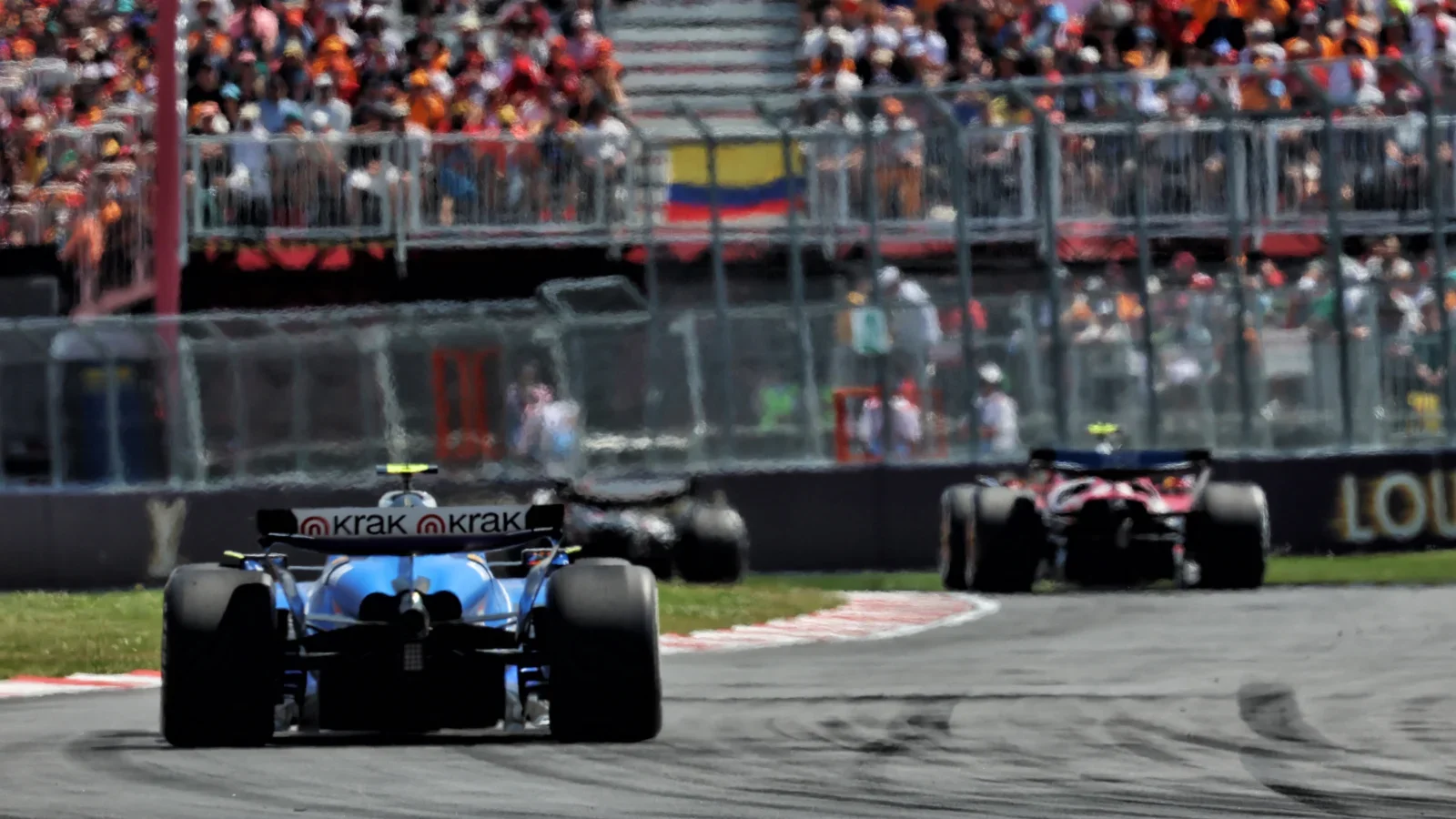

With the 2025 Formula 1 season well underway and nearly halfway through its 24-race calendar, teams are confronting a unique and difficult situation. While they remain focused on competing in the current races, a significant portion of their effort is already directed toward preparing for the major rule changes set to take effect in 2026. This evolving landscape places immense pressure on teams, including key figures such as Lewis Hamilton, whose ambitions for the championship are dependent on navigating these critical shifts effectively.
Across the grid, squads are balancing present competitiveness with long-term development. This balancing act requires a careful approach to resource allocation and strategic planning, as the technical and regulatory changes for 2026 demand innovation and readiness that could redefine the sport.
Industry Experts Express Concern Over Upcoming Regulation Changes
The approaching rule changes have stirred unease within the F1 community. Adrian Newey of Aston Martin described the challenge as “scary,” highlighting the uncertainty and complexity surrounding the interpretation of new regulations. Teams must decode and adapt their designs swiftly to avoid falling behind in the intensely competitive environment.
James Vowles of Williams emphasized the necessity of starting anew in 2026, explaining that a reset offers an opportunity to lay a solid foundation for future success, even though it entails significant risk and complexity. His comments reflect the broader recognition that 2026 represents a fresh chapter for every team on the grid.
The Strategic Race to Transition Amidst Uncertainty
As the season advances, decisions regarding when and how to transition to the 2026 car are increasingly critical. Ferrari’s Fred Vasseur acknowledged the dilemma his team faces, balancing ongoing season performance against early investment in future competitiveness. Drivers like Lewis Hamilton are vocal about adopting an early focus on the new car to maximize their chances in upcoming championships.
From the perspective of smaller teams such as Haas, represented by boss Ayao Komatsu, the shifting regulations present an even steeper challenge. The technical modifications require agile adaptation to maintain relevance, adding pressure to those with fewer resources and less margin for error.
Anticipating a Transformative Era in Formula 1
The Formula 1 community braces for a pivotal transformation starting in 2026, where innovation on and off the track will dictate success. As teams like Aston Martin, Ferrari, Williams, and Haas navigate both the current season and this looming overhaul, drivers including Lewis Hamilton must make crucial choices that could define their legacies.
The upcoming seasons promise intense competition shaped by engineering ingenuity and strategic foresight, making the 2026 F1 challenge a defining moment in the sport’s history.