
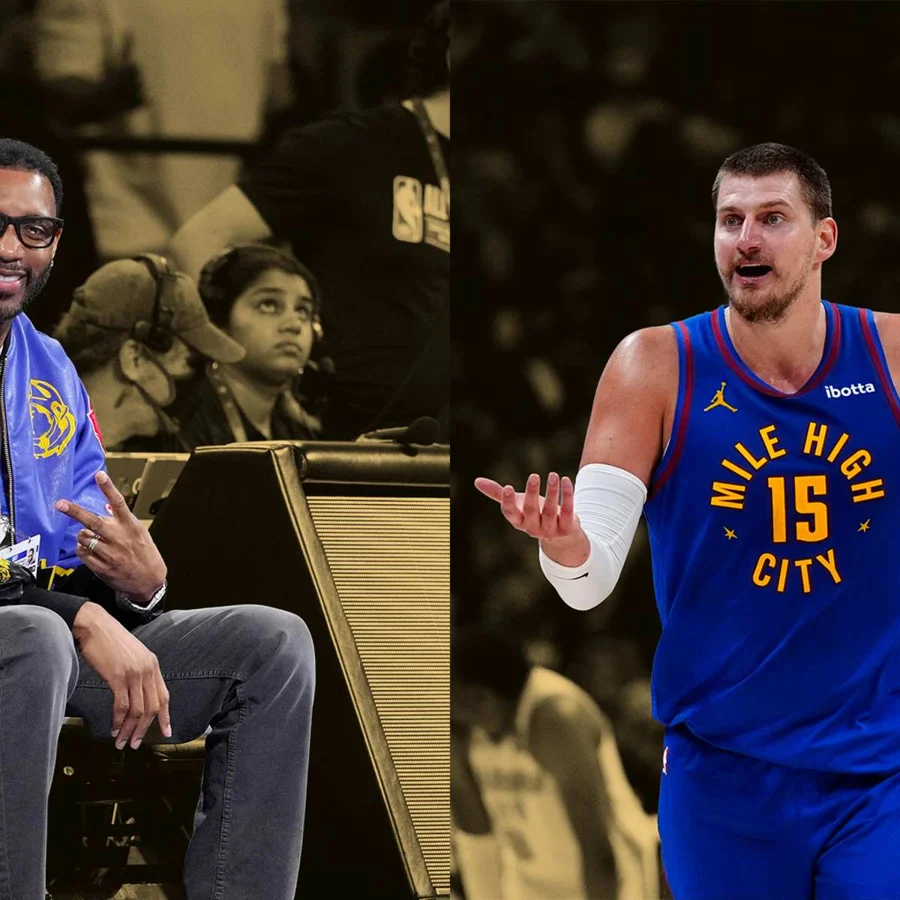

Shannon Sharpe has named Nikola Jokic the top NBA player, even after Shai Gilgeous-Alexander (SGA) completed one of the most remarkable seasons in league history. While SGA secured an exclusive trio of accolades—MVP, Finals MVP, and scoring title—in addition to a championship, Sharpe still ranks Jokic above him, underlining ongoing debates about player rankings in the current NBA landscape.
The Unique Achievement of Shai Gilgeous-Alexander
SGA’s season places him in a rarefied group alongside Kareem Abdul-Jabbar, Michael Jordan, and Shaquille O’Neal, as one of only four players to conquer the MVP, Finals MVP, and the scoring title while also winning a championship. Without the scoring title, only ten players have managed the other three honors simultaneously, reaffirming how extraordinary his performance truly was.
Despite these historic credentials, some analysts hesitate to declare SGA as the unquestioned top player, often placing him in a top-three tier behind stars like Giannis Antetokounmpo and Nikola Jokic. This hesitation shapes debates about how to rank the best in the NBA today.
Sharpe’s Perspective on the Top NBA Players
Though Shannon Sharpe is best known for his football career, his decade of experience analyzing the NBA gives weight to his opinions. On the Nightcap podcast, Sharpe acknowledged SGA’s excellence but ultimately chose Jokic as his number one, highlighting a fierce competition among the league’s best.
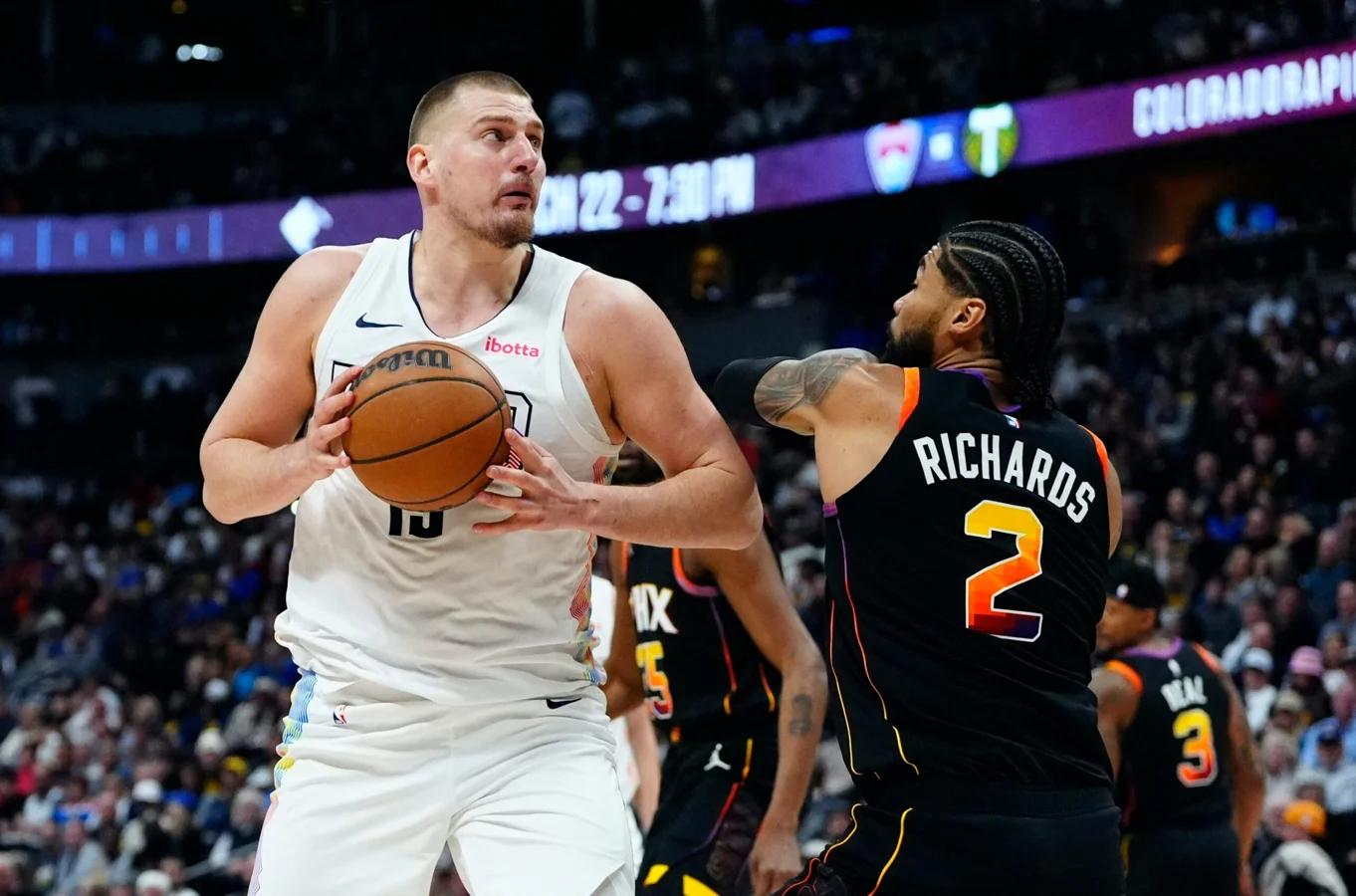
“that’s not to take anything away from Shai. He’s a phenomenal player, but you’re talking about – you’re really splitting hairs – you’re looking at Shai, you’re looking at Jokić, you’re looking at Giannis. I think those are the three best players…”
—Shannon Sharpe, Analyst and Former Athlete
The Impact of Supporting Casts on Player Perceptions
Another focal point in comparing these players is the strength of their supporting teammates. Shai Gilgeous-Alexander operates within a roster constructed by Sam Presti, known for assembling effective support systems around his stars. In contrast, the Thunder’s former general manager Calvin Booth, recently fired, oversaw a different supporting environment, complicating direct comparisons.
While the talent around a player does not diminish their individual achievements, it remains a frequently cited factor in debates about greatness. Cedric Maxwell brought this issue forward by praising Lu Dort’s aggressive play style and reflecting on previous Thunder MVPs who did not achieve championships.
“Lu Dort looked like he should’ve been playing with the Cleveland Browns the way he was knocking guys down… The big question we’re gonna talk about later on is this: we’re gonna talk about three guys who were the MVPs when they were with the Thunder. They couldn’t get it done.”
—Cedric Maxwell, Commentator
Historical Context of Thunder’s Near Successes and Management
Sam Presti has publicly expressed regret over the handling of the earlier Thunder team, featuring James Harden, Russell Westbrook, and Kevin Durant, which reached the NBA Finals in 2012 but never secured a championship. This context enhances conversations about the significance of roster construction and organizational decisions in enabling greatness.
Why Defining NBA Greatness Remains Complex
Greatness in the NBA is inherently subjective, as debates about the greatest players have spanned decades. Currently, Jokic, Giannis, and Gilgeous-Alexander all share MVP, Finals MVP, and championship honors, making them elite representatives of modern excellence. Determining supremacy based on when and how these achievements occurred can distract from their overall impact.
Sharpe’s endorsement of Nikola Jokic top NBA player status highlights this complexity. With all three stars delivering historic levels of play, the discussion may continue to rely on nuanced judgments about style, supporting rosters, and individual moments rather than clear consensus judgments.