
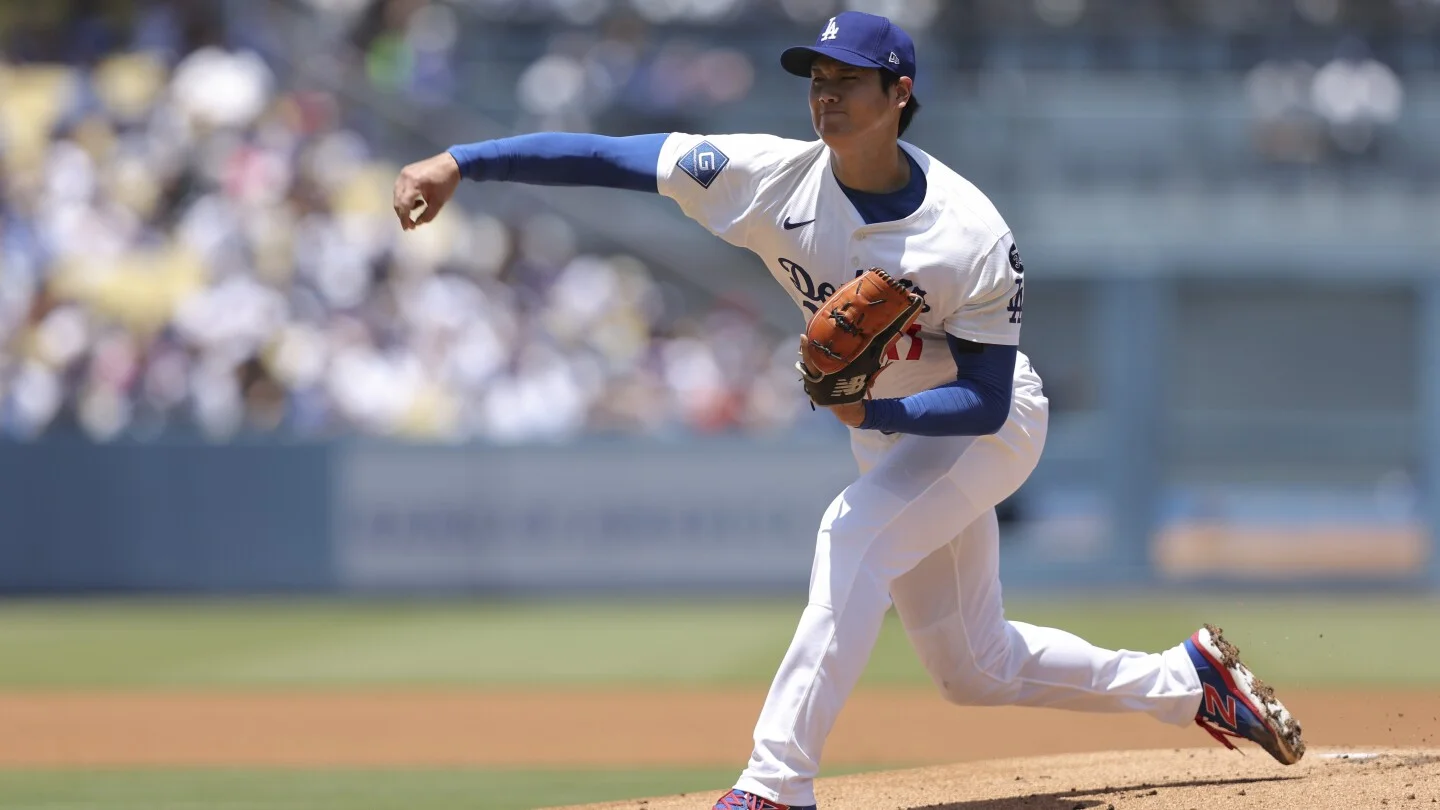

The Los Angeles Dodgers have recently reintroduced Shohei Ohtani to their pitching rotation, aiming to strengthen their struggling staff. However, despite his status as a two-way talent, Ohtani has been restricted to pitching just one inning per start since his return in June 2025, a decision sparking debate and criticism concerning the team’s strategy amid ongoing uncertainties.
While the Dodgers hope to harness Ohtani’s unique ability to impact games as both a pitcher and a hitter, the cautious approach to his pitching role has raised questions about the team’s direction. Former Marlins President David Samson publicly challenged Dodgers manager Dave Roberts’ handling of Ohtani’s workload, suggesting the team may be mismanaging the star player’s comeback amid their injury-plagued rotation.
Concerns Raised Over Ohtani’s Limited Use on the Mound
Shohei Ohtani’s initial starts have shown promise, including a scoreless inning against the Washington Nationals with two strikeouts. Despite these encouraging signs, his usage ceiling remains capped at just one inning per outing. This approach has drawn frustration from analysts and fans alike, who question the prudence of such heavy restrictions.
David Samson voiced his skepticism sharply after Ohtani’s abbreviated pitching performance, highlighting the confusion surrounding the Dodgers’ plan.
“Big announcement. Shohei Ohtani pitching on Sunday. Stop the presses! He pitched an inning, he threw 18 pitches, struck out two. Yippee! What are you doing? If I’m in the media in LA, I’ve got to ask Dave Roberts, ‘What exactly is your plan with Ohtani?’”
Samson said, signaling a lack of clarity in Ohtani’s deployment by the coaching staff.
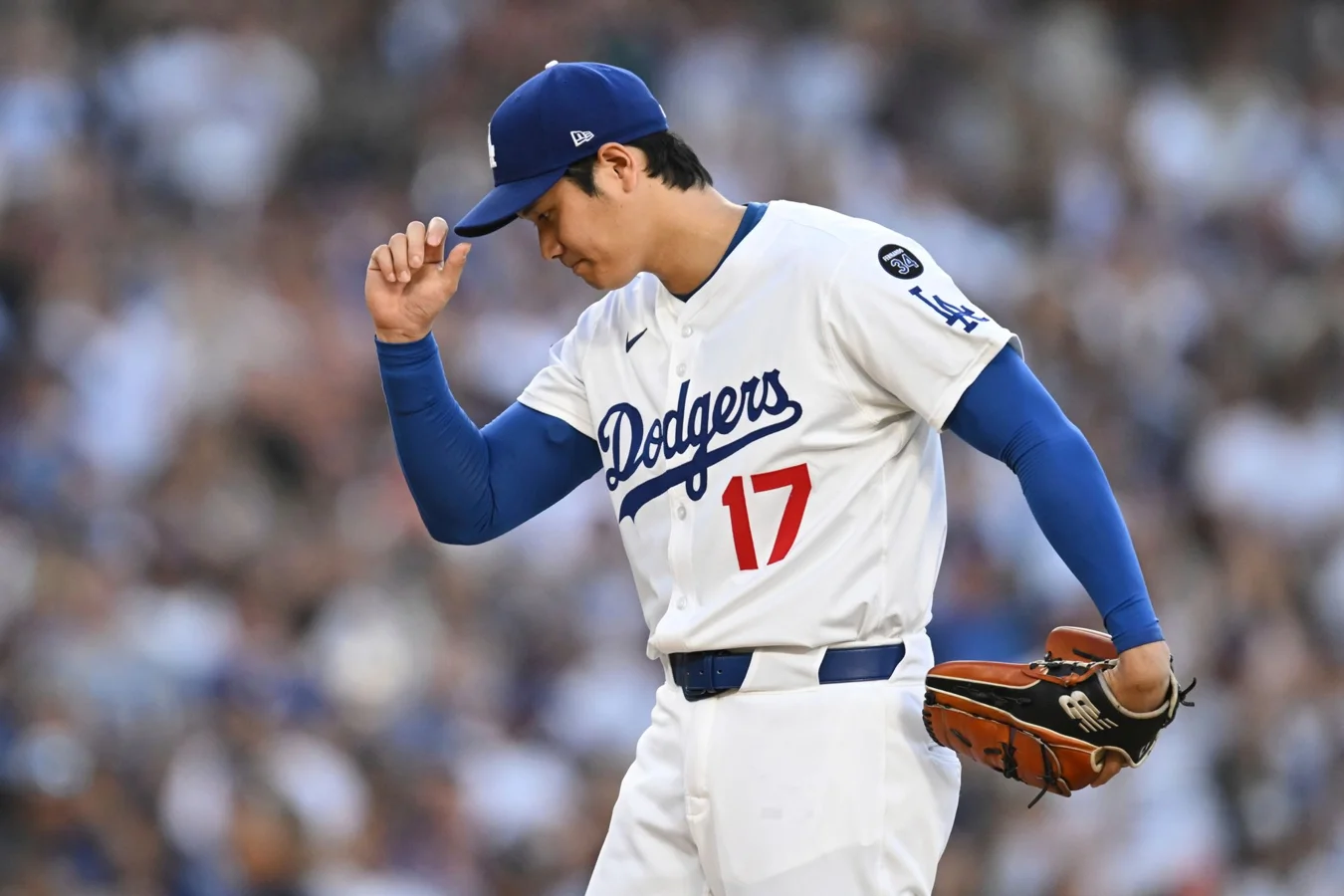
Manager Dave Roberts addressed these concerns but offered a non-traditional viewpoint on Ohtani’s pitching role. When asked by LA Times reporter Jack Harris about Ohtani’s return to full pitching capacity, Roberts stated,
“That’s kind of TBD. I don’t even know what that’s going to look like, to be ‘fully built-up.’ I don’t think anyone knows what that looks like. Because it’s not a normal starting pitcher. So to say six innings and 90 pitches—I don’t even know if we’ll get to that point.”
Samson was critical of the Dodgers’ cautious and unconventional route, interpreting Roberts’ approach as an exploitation of Ohtani’s two-way player status without a clear development plan.
You just said the quiet part out loud. You just showed how you’re taking advantage of the roster spot given to Ohtani as a two-way player. You’re now showing other teams, ‘why do I have to build up Ohtani on a rehab assignment? Forget about it’
he asserted, emphasizing that the rush to bring Ohtani back might be premature.
He further argued,
Oh, he’s going to throw one inning at a time at the big league level every five or six days? That’s not even spring training bullpen buildup, where you throw one in every two days and eventually go back-to-back before the season starts, and you’re ready to roll,
suggesting that the limited innings could hinder Ohtani’s readiness and performance longevity.
Balancing Act: Protecting Ohtani’s Health Amid Team Needs
The Dodgers’ cautious approach arguably stems from their desire to shield Ohtani’s pitching arm, which requires careful management to prevent injury, especially given his Cy Young-caliber talent. Their strategy avoids rushing him through a typical starter’s workload, instead easing him back with limited innings to ensure long-term availability.
However, this restraint on his pitching contributions also limits the team’s ability to fully capitalize on Ohtani’s dual-threat abilities. Since the workload is restricted, the Dodgers face a dilemma: prioritizing his health over maximizing immediate pitching impact.
Ohtani’s 2025 pitching debut for the Dodgers, held at Dodger Stadium on June 16, highlighted the short outings he has been given. He threw 28 pitches over one inning while allowing one run on two hits, including flare singles from Fernando Tatis Jr. and Luis Arraez, as well as a sacrifice fly from Manny Machado. This brief but intense outing underscores the team’s tight pitch count management strategy.
Potential Adjustments to Ohtani’s Role in the Lineup
While Ohtani’s pitching role remains cautious, his offensive contributions continue unabated. Following his pitch against the Nationals, Ohtani quickly took his position at the plate and delivered his 26th home run of the season, reclaiming the National League lead and helping the Dodgers to a 13-7 win. His versatility as a two-way player remains a critical asset for the team.
Manager Dave Roberts hinted at possible lineup changes to better accommodate Ohtani’s pitching starts, suggesting that his position in the batting order might be altered to support his workload. Prior to a recent game, Roberts said,
Yeah, I can. I can. You know, just today he’s going to throw an inning, potentially, and he’s going to walk up to the on-deck circle and put his stuff on to take the first at-bat. He’s good with it right now, but is there a scenario where I feel that it might be better for him in that first at-bat to kind of reshuffle the lineup to give him one, two, three hitters to get set? Sure, absolutely,
revealing an openness to modifying the lineup for Ohtani’s benefit.
This flexibility reflects the complex balancing act the Dodgers face in maximizing Ohtani’s extraordinary skills while protecting his pitching health to sustain the team’s success throughout a demanding season.
Implications for the Dodgers’ Season and Outlook
Currently holding a 48-31 record and leading the NL West, the Dodgers are carefully navigating how best to deploy Ohtani without jeopardizing their championship aspirations. The ongoing debate around his limited pitching role highlights the tension between short-term advantages and long-term player health.
If the Dodgers continue to restrict Ohtani’s opportunities on the mound, they may miss out on leveraging one of baseball’s most exciting talents fully. Conversely, an aggressive workload could risk injury and diminish his effectiveness both as a pitcher and hitter. How the team manages this delicate situation will likely influence their postseason prospects and the broader discussion surrounding the “Shohei Ohtani Dodgers pitching debate.”
With the All-Star Game approaching, it appears unlikely Ohtani will reach a full pitching workload anytime soon, intensifying questions about how the Dodgers will keep their superstar healthy while chasing another title. The priority remains clear: preserving Ohtani’s health and maximizing his contributions in whichever ways possible.