
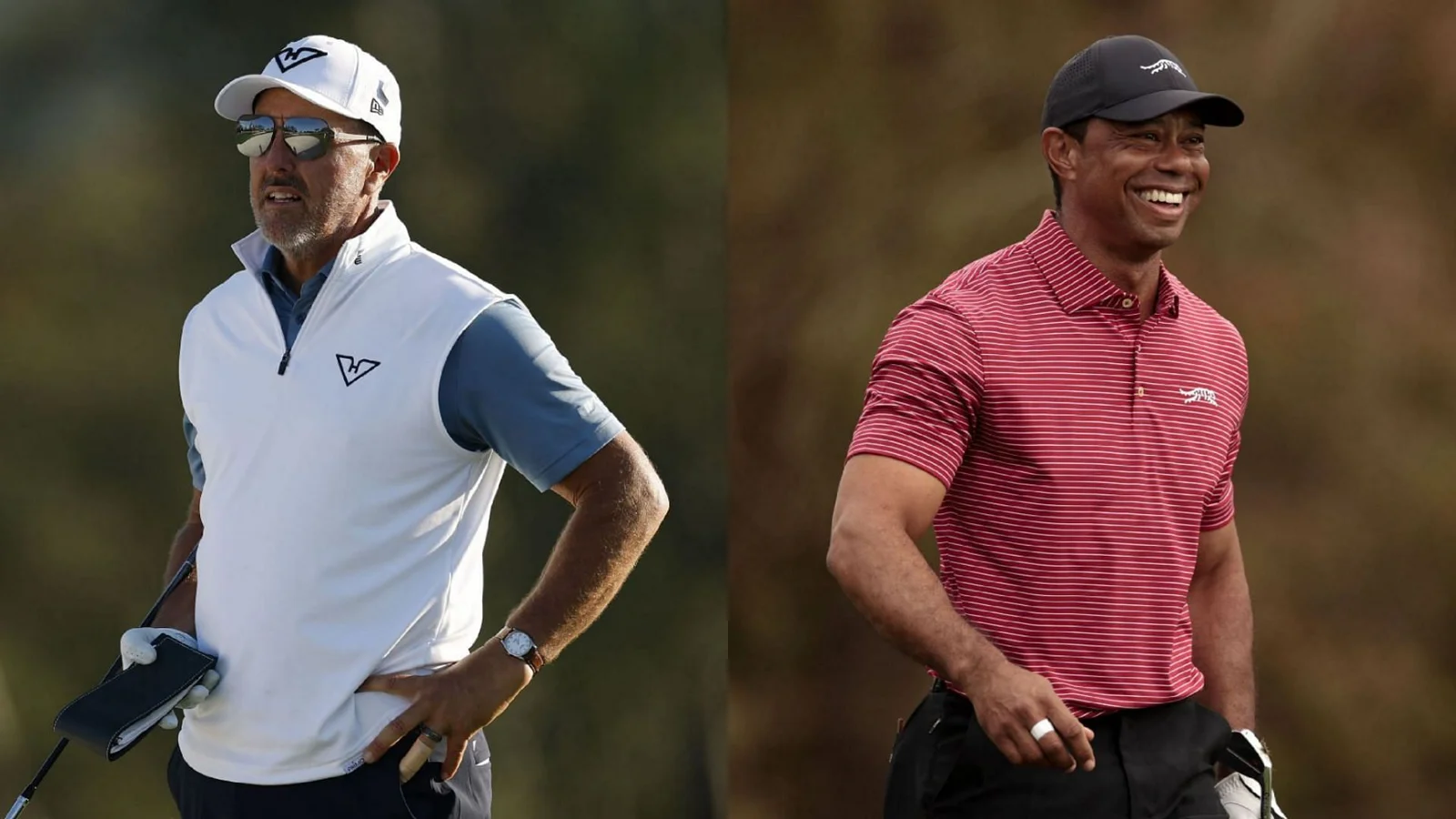

The Tiger Woods and Phil Mickelson rivalry, one of golf’s most renowned competitive relationships, evolved significantly during the 2016 Ryder Cup. This pivotal event, held at Hazeltine National Golf Club in Chaska, Minnesota, brought the two closer as they collaborated with a shared goal, reshaping how they viewed each other both on and off the course.
Before 2016, Woods and Mickelson were known more for their rivalry than camaraderie, with each player pushing the other while pursuing their individual peaks. However, their dynamic began to shift notably during the Ryder Cup, where Woods served as an assistant captain for Team USA and Mickelson was a key player.
Collaboration at the 2016 Ryder Cup Strengthened Their Relationship
In an interview on The Dan Patrick Show in May 2020, Phil Mickelson reflected on what he considered the turning point in their relationship. He explained that working closely with Woods during the Ryder Cup led to a newfound respect between them. Mickelson shared:
“I think our relationship turned around in 2016 when we worked together for the Ryder Cup. He was an assistant captain… we ended up spending a lot of time on the phone… talking about players, picks, statistics, alternate shot, course setup…” —Phil Mickelson
Mickelson emphasized how striving for a common objective created a bond. He noted the meticulous preparation Woods brought to their teamwork, which changed his perception of his peer:
“Getting an idea to see how prepared he was and how meticulous with each little thing, I had a new respect for him. But when we worked together for a common goal, which was to win the Ryder Cup… I think that was kind of the turning point.” —Phil Mickelson
During this Ryder Cup event, Mickelson contributed 2.5 points to Team USA, finishing with an overall record of 2-1-1 across different match formats: singles (0-0-1), foursomes (1-1-0), and fourballs (1-0-0). Woods’s guidance as assistant captain helped Team USA secure a 17-11 victory over Team Europe, ending an eight-year drought in the competition.
How Tiger Woods Influenced Mickelson’s Fitness Approach
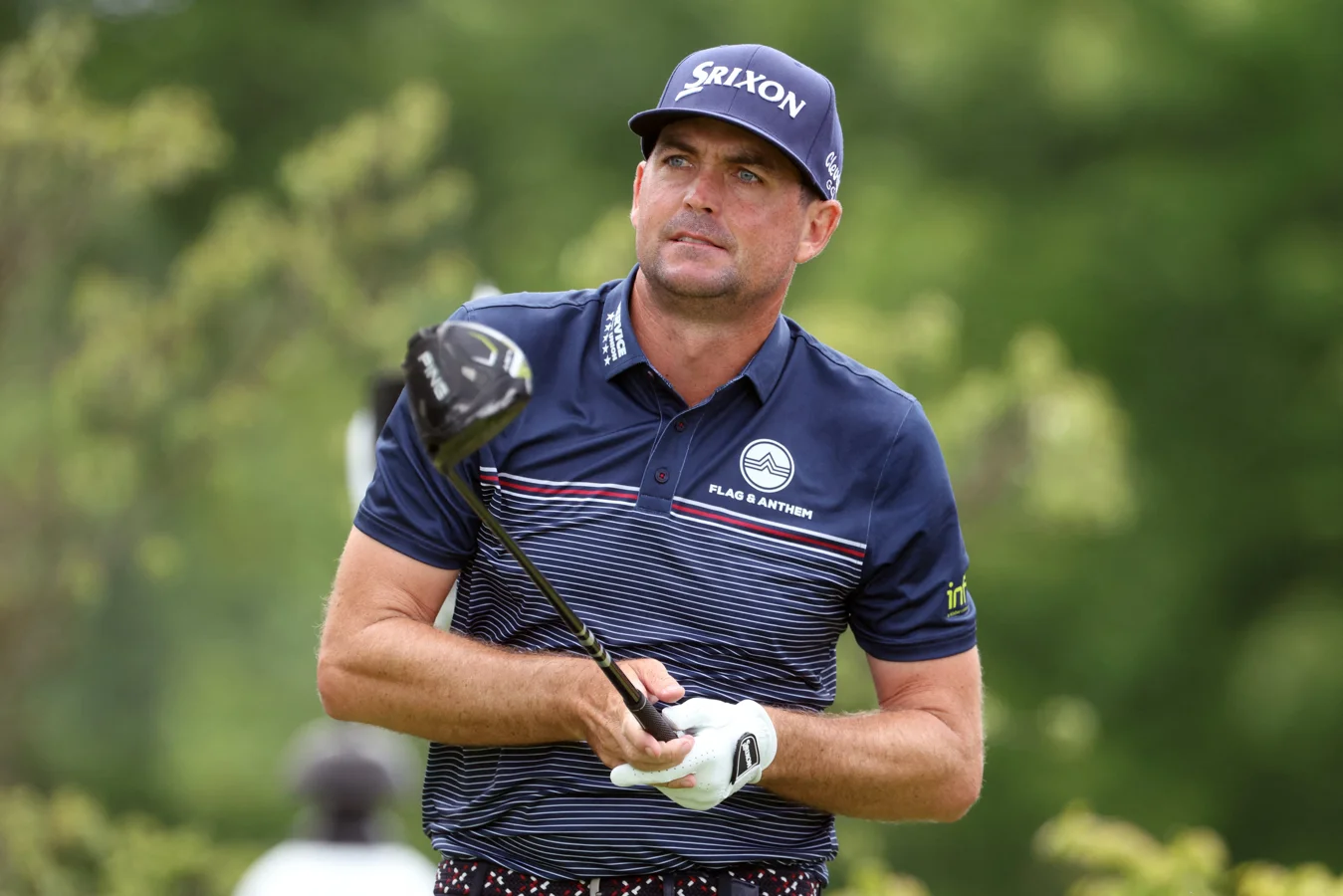
Throughout their careers, Woods and Mickelson displayed contrasting attitudes toward fitness, which initially contributed to a distant relationship. Woods maintained a rigorous weight training routine, while Mickelson took a more relaxed approach for many years. Yet, Mickelson’s fitness visibly improved over time, particularly by the time he won the PGA Championship in 2021.
Reflecting on this change, Mickelson credited Woods with indirectly shaping his thoughts about fitness. Speaking to Australian Golf Digest and quoted by The Sun, Mickelson revealed:
“When I started playing golf though fitness wasn’t even an issue. It wasn’t until Tiger came along – he was years behind me – that it really got to be accepted and then got to grow.” —Phil Mickelson
This evolution in their relationship was further softened by their collaboration in The Match: Champions For Charity in November 2018. The event, where they teamed up for a charitable cause, shifted their competitive rivalry toward mutual support and respect.
The Lasting Impact on the Tiger Woods and Phil Mickelson Rivalry
The events surrounding the 2016 Ryder Cup marked a defining moment in the long-standing dynamic between Tiger Woods and Phil Mickelson. Their shift from adversaries to collaborators demonstrated how shared ambitions can bridge even the fiercest rivalries. Woods’s leadership and meticulous preparation inspired Mickelson to appreciate a deeper professional respect and adapt aspects of his own game, including fitness.
As the rivalry softened into a more understanding friendship, their story offers a hopeful perspective on how competition and cooperation can coexist. Looking ahead, this transformation has enriched golf’s narrative, showing how iconic figures evolve through experience and teamwork.