
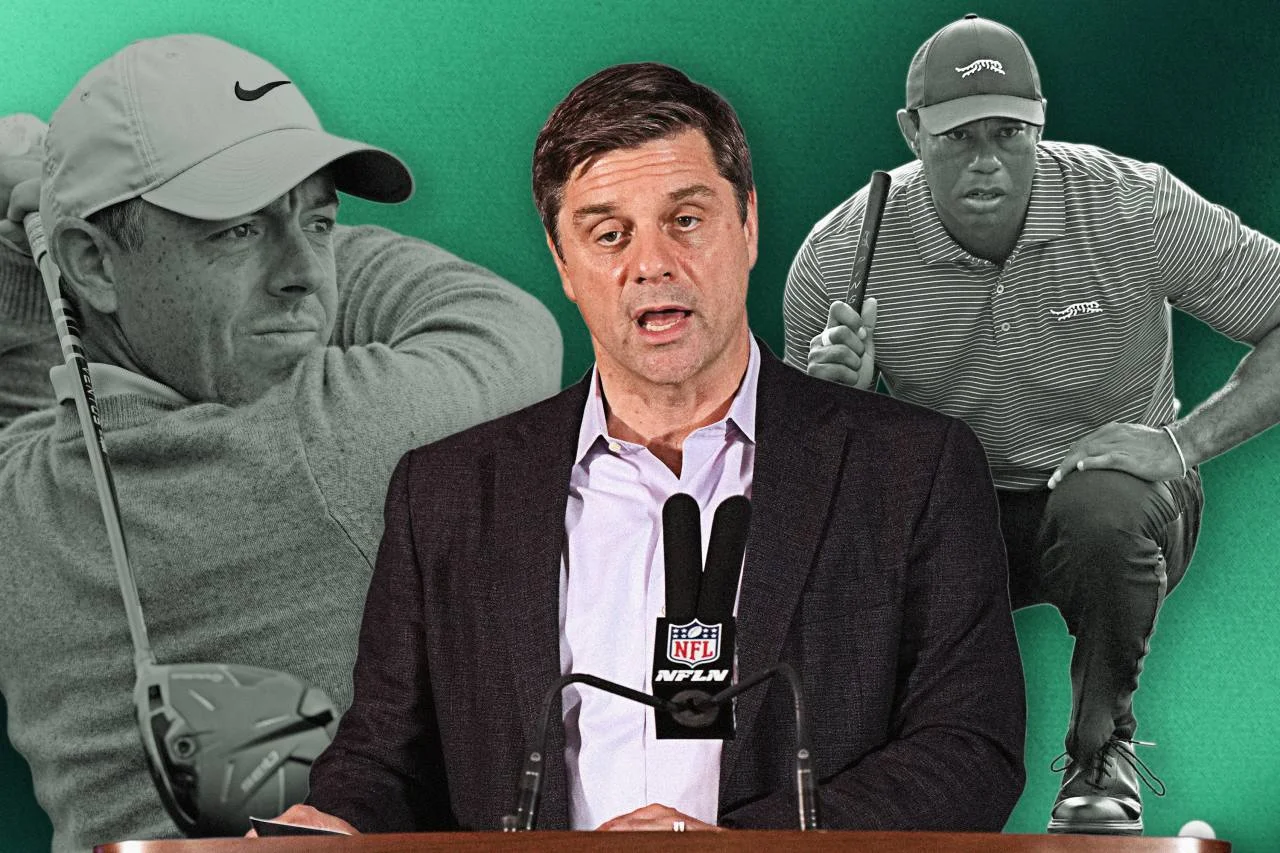

In a revealing account, former IMG agent Hughes Norton disclosed how Earl Woods, Tiger Woods’s father, almost lost the superstar golfer a $500 million Nike endorsement in the late 1990s due to a controversial branding conflict. The drama unfolded in 1998 when Nike attempted to bypass Norton, who had been managing Tiger’s career, by directly approaching Earl Woods to secure a deal for his son without the agent’s involvement.
This critical episode in the Tiger Woods Nike deal controversy highlights the struggle between trust, business strategy, and family loyalty during the formative years of one of golf’s greatest icons.
The Early Years of Hughes Norton’s Role with Tiger Woods
Hughes Norton was introduced to the Woods family by Earl Woods shortly after Tiger Woods turned professional in 1996. As a seasoned business expert, Norton quickly set up substantial endorsements for Tiger, securing partnerships with household names like Nike, Titleist, American Express, and Wheaties. His efforts laid the groundwork for Tiger Woods’s marketability and financial future early in his career.
Despite these accomplishments, Norton was dismissed by Tiger Woods two years later amid the golfer’s desire to take greater control over his own career. This move marked a turning point in the management of Tiger’s endorsements and brand image.
Nike’s Attempt to Remove Hughes Norton from the Negotiations
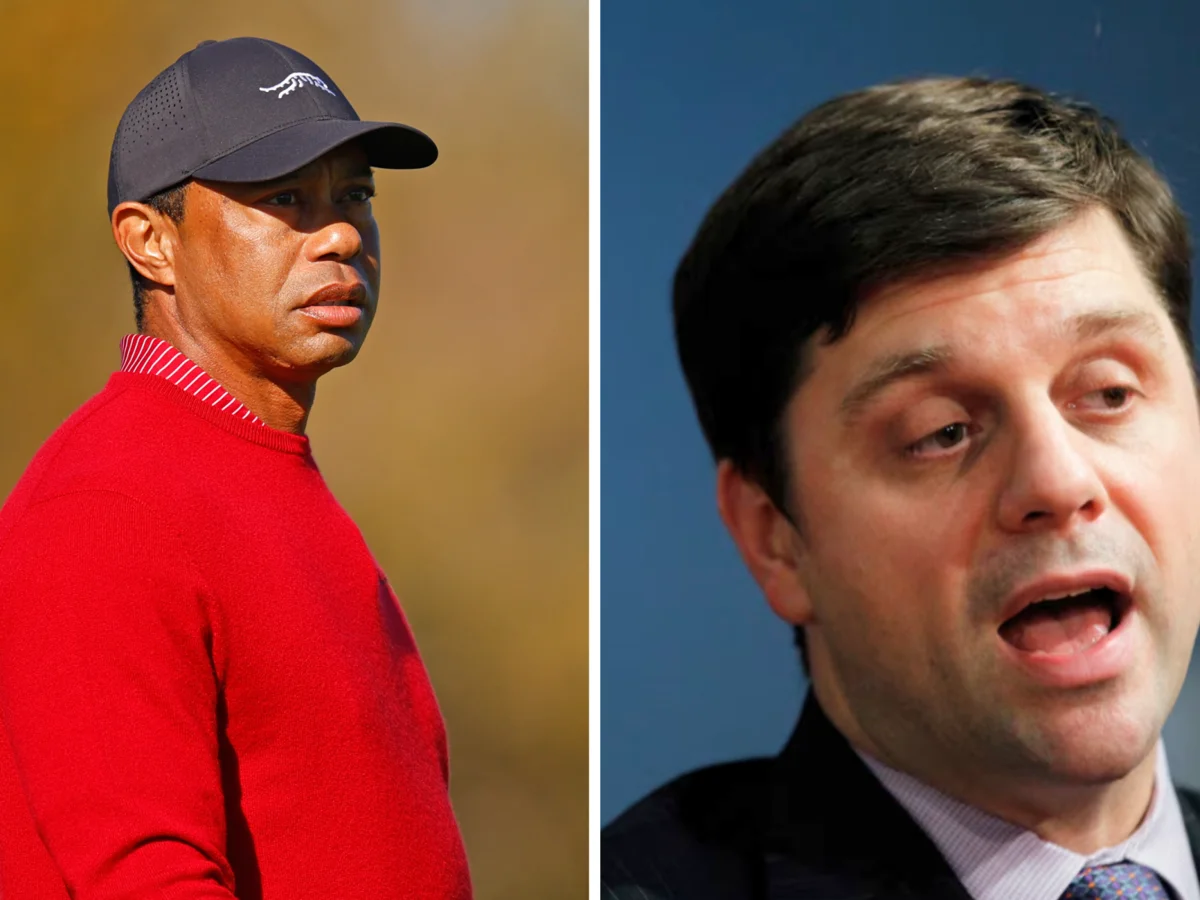
In a discussion with the Golfer’s Journal Podcast and later on GOLF’s Subpar, Norton described a startling intervention by Nike executives who visited Earl Woods with a proposal to cut Norton out and deal directly with Tiger. This unexpected “cheap shot,” as Norton called it, came from Nike’s leadership, specifically a message from their co-founder Phil Knight.
When Norton first learned about the visit, he was confused but intrigued. Earl Woods shared with Norton how the well-dressed Nike executive told him:
“there was no reason for us to deal with you (Hughes). And this message that he brought, he said, was directly coming from Phil Knight. Just do the deal with us and save the 20%.”
This aggressive push aimed to streamline Nike’s relationship with Tiger but ignored the existing agent-client rapport and family trust.
Earl Woods’s Firm Response to Nike’s Proposal
Despite Nike’s pressure, Earl Woods upheld his loyalty to Hughes Norton and refused to entertain the offer. Norton recalled Earl’s decisive reply:
“I told him, no! Go back and tell Phil Knight that you have to trust somebody in this world, and Hughes is the guy we trust.”
This statement underscored Earl’s conviction in Norton’s dedication to Tiger’s career, placing personal trust above business expediency.
The steadfastness of Earl Woods reflected a rare integrity amid the high-stakes negotiations. Norton described his emotions upon hearing this declaration as exhilaration, feeling recognized after a decade of commitment to the family and Tiger’s career growth.
The Depth of Trust Between Earl Woods and Hughes Norton
The relationship between Earl Woods and Hughes Norton was marked by deep mutual respect, which Norton said sometimes even surpassed Tiger’s trust in him. As Norton shared,
“Earl was always more on my side, even at the end, I think, than Tiger. I know for a fact that Earl tried to talk Tiger out of the decision to fire me and said stuff to him like, ‘Look, the relationship’s been so long and Hughes has done so much for us. You can’t do that.’”
For nearly a decade, Norton had been central to guiding Tiger’s burgeoning career, managing endorsements and laying the foundation for his global brand. Despite this, Tiger eventually took a different path around 1998, moving from California to Florida and asserting his independence by ending the professional relationship with Norton.
Earl and Kultida Woods Support Tiger’s Independent Decisions
Though Earl and Kultida Woods were concerned about losing Norton’s expertise, they ultimately supported their son’s decision to part ways with his longtime agent. Norton explained their stance:
“This was a decision… I don’t know, but my guess is Earl and Tida said to themselves, ‘Even if it is the wrong thing for Tiger to do, we’ve got to let him. He’s a grown man now, he’s out of our sphere of influence, he’s on his own. We got to support him, no matter how wrong we think this decision is.’”
The Woods parents recognized that Tiger’s move to Florida and his desire for autonomy necessitated changes in his professional circle, even if it meant losing someone who had been instrumental in his early success. This decision may have impacted the trajectory of Tiger’s endorsements, although his sponsorship portfolio remained strong for decades after.
The Long-Term Impact on the Tiger Woods Nike Deal
The partnership between Tiger Woods and Nike endured for 27 years, culminating in a $500 million contract that made Tiger one of the most recognizable athlete endorsers globally. The deal lasted until late 2023 when Tiger launched his own apparel brand, Sun Day Red, marking the end of an era with the shoe brand.
Reflecting on this journey, it’s clear that Earl Woods’s support for Hughes Norton played a significant role in Tiger achieving such a lucrative and lasting deal. Norton’s efforts to understand Nike’s corporate culture and build relationships were crucial in securing early commitments that helped define Tiger’s market presence.
The tension between loyalty and business interests showcased during the Nike negotiations remains a compelling story in sports branding history. It reveals how personal relationships and trust can influence multimillion-dollar sponsorships and shape athletic legacies.
Questions Surrounding the Decision to Fire Hughes Norton
The debate lingers whether Tiger Woods’s choice to end his relationship with Hughes Norton was a mistake or a necessary step toward independence. Norton’s long-term involvement, from Tiger’s childhood through his first major endorsements, suggests he had the insight and experience to maintain Tiger’s growth.
However, Tiger’s ambition and desire to chart his own course at a young age symbolize the challenges athletes face in balancing guidance and self-direction. Although Norton expressed admiration for Earl Woods and remained proud of his contributions, the ultimate outcome was a shift in Tiger’s management style and brand strategy.
This episode from the 1990s remains a remarkable example of the complex dynamics at play between family, agents, and corporate sponsors in the world of professional sports.