
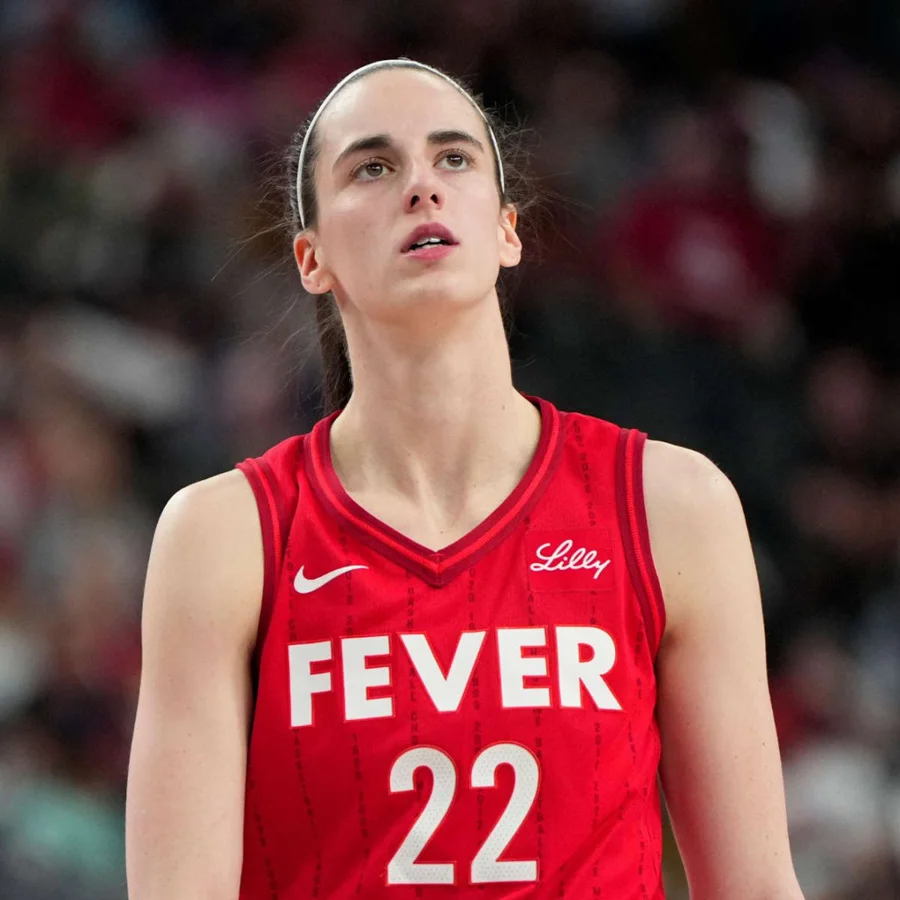

The Indiana Fever assembled a strong roster around Caitlin Clark during the offseason and hired Stephanie White as head coach after parting ways with Christie Sides, who had led the team to the playoffs. Despite these efforts, the Fever’s performance has not matched expectations. Although the team ranks fifth in the league for both offensive and defensive efficiency, they have struggled to translate those statistics into consistent wins.
Jason Whitlock, a former Fox Sports basketball analyst, publicly criticized the Fever, attributing the team’s difficulties to the culture within the WNBA rather than talent or coaching alone. Whitlock argued that the “lesbian culture” prevalent in the league creates an environment that stifles Clark’s emerging superstardom, suggesting that the team’s atmosphere is incompatible with her growing fame.
“The Indiana Fever are not built for the superstardom of Caitlin Clark,” he wrote in the post. “They’re so captured by the lesbian culture within the WNBA that they’re afraid to build the right kind of team and atmosphere around Caitlin Clark.”
In addition to his comments about the WNBA culture, Whitlock questioned the decision to retain Stephanie White as head coach, noting her personal relationship with ESPN sideline reporter Lisa Salters. He recommended the Fever consider replacing White with a male, heterosexual coach to better support Clark’s development.
“They’re so captured by the lesbian culture within the WNBA that they’re afraid to build the right kind of team and atmosphere around Caitlin Clark and that’s what they should be doing,” Whitlock said. “They need a male heterosexual coach. My preference would be Mark Jackson.”
Whitlock also commented on Clark’s emotional responses on the court, implying that she requires additional support due to her temperament and status as a young star.
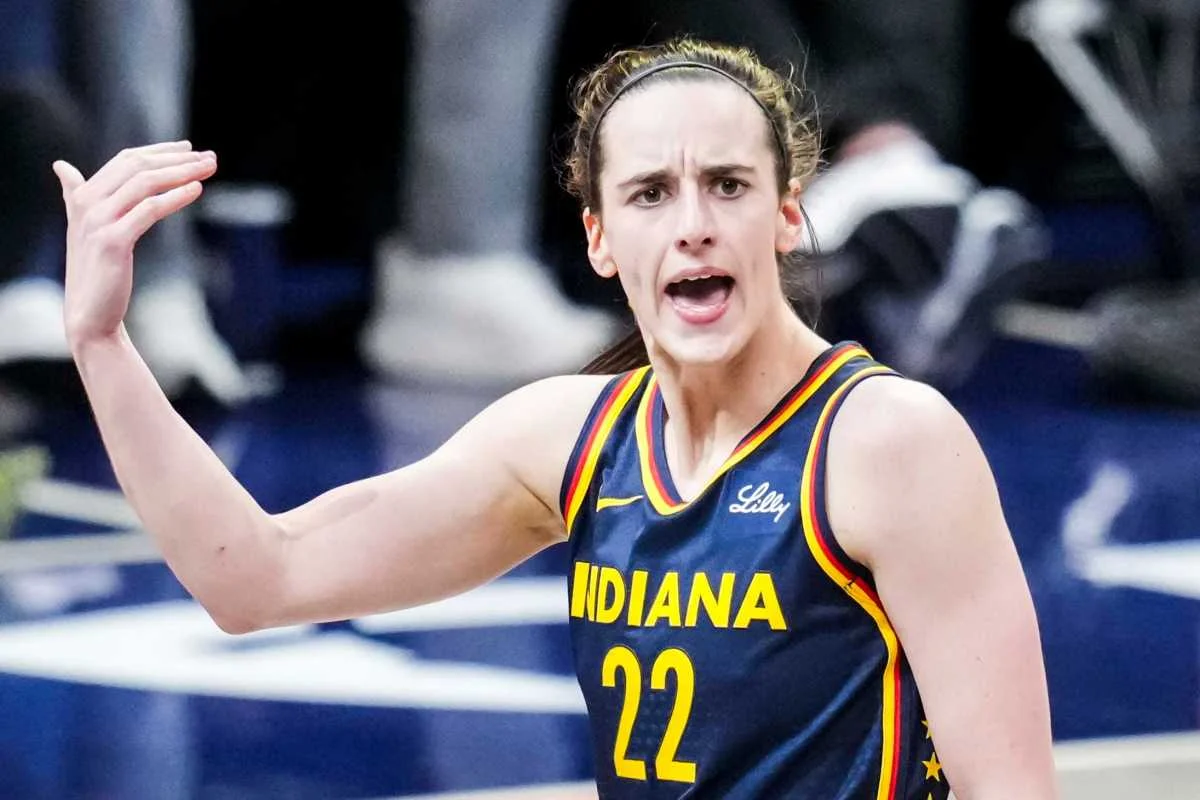
“Caitlin Clark is not innocent. All this, she’s like any other woman. She’s a tiny bit emotional,” he added. “She wants to feel like she is in a safe space and a cocoon of support … she needs a little extra support, but squeeze is worth the juice. Give her what she wants, it will be worth it.”
Recent Team Performance and Caitlin Clark’s Challenges
Currently, the Indiana Fever hold a 6-7 record in 13 games, placing them seventh in the WNBA standings. Since Clark’s return from a quad injury, the team has lost two consecutive games after briefly gaining momentum with back-to-back victories, including a notable win against the New York Liberty.
The Fever faced the Las Vegas Aces on Sunday, overcoming an early deficit thanks to Aliyah Boston‘s strong play. However, the veteran trio of A’ja Wilson, Chelsea Gray, and Jackie Young rallied in the fourth quarter to secure an 89-81 victory, denying Indiana the win.
Caitlin Clark struggled significantly in this game, recording one of her poorest offensive performances of the season. She committed eight turnovers and shot just 1-of-10 from beyond the arc, finishing 7-of-20 in field goal attempts overall.
Whitlock criticized Clark’s recent form on social media, linking her performance downturn to the psychological effects of an on-court altercation with Angel Reese.
“7 turnovers for Clark again. Awful performance today. 1 of 7 from three. She’s shook since the Barbie Brawl,” he said.
Over the past two games, Clark has shot only 34.0% from the field and 5.8% from three-point range, highlighting her ongoing struggles to regain earlier form.
Implications for the Indiana Fever and Caitlin Clark’s Future
The controversy surrounding Caitlin Clark’s performance and Whitlock’s remarks shines a light on the broader challenges within the Indiana Fever franchise and the WNBA culture. While the team possesses a talented roster and solid statistical ratings, translating that into playoff success remains elusive. The debate ignited by Whitlock’s comments raises questions about leadership, culture, and support systems essential to Clark’s potential as a marquee player.
With Stephanie White’s coaching role under scrutiny and calls for cultural shifts within the team, the Fever face decisions that could impact their trajectory this season. How the organization addresses these internal dynamics will likely influence both Clark’s development and the team’s ability to compete at the highest level moving forward.