
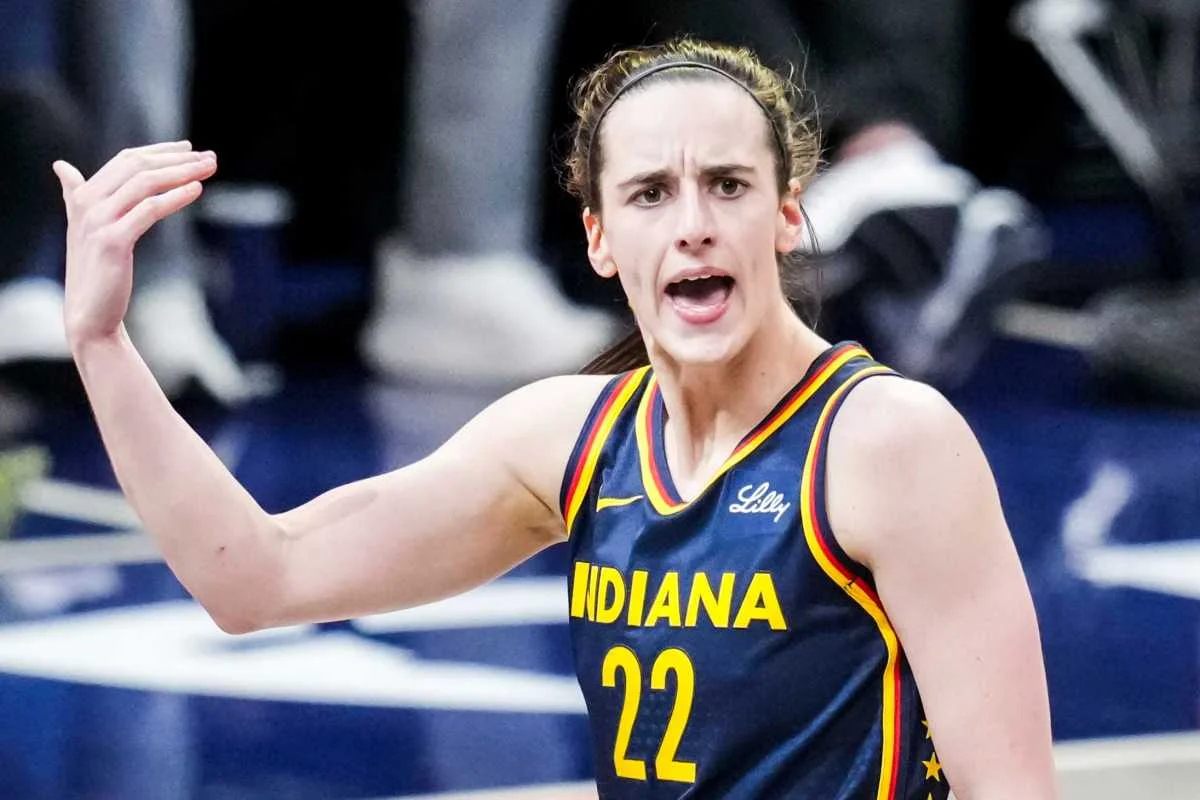

In the build-up to the WNBA All-Star game next month, players are stepping up their efforts in collective bargaining agreement (CBA) negotiations with the league. This movement gained notable attention during the recent high-profile matchup between the Indiana Fever and Las Vegas Aces, where a players’ statement was delivered—not by star player Caitlin Clark—but by teammates Sophie Cunningham and Sydney Colson.
David Samson, a sports business analyst with Meadowlark Media and former Miami Marlins president, emphasized that this dynamic will need to evolve significantly in the months before the CBA deadline this fall for the players to gain traction.
Players demand fair compensation reflecting league growth
The players’ statement clearly asserted their belief that compensation should better represent their contributions. As they said,
“As the league grows, it’s time for the CBA that reflects our true value. We are fighting for a fair share of business that we built.”
However, Samson cautioned that from a business standpoint, the players might overestimate their current financial standing within the league’s ecosystem.
Economic realities behind players’ current salaries
Samson pointed out that the salaries in the WNBA appear modest compared to other major leagues, with many players earning between $60,000 and $65,000, while top earners make around $250,000. This is a stark contrast to NBA minimum salaries, which exceed seven figures, and baseball salaries approaching similar levels.
He explained,
“What the players in the WNBA don’t realize is they’re too early for this,”
adding,
“Their minimum salary right now … let’s say they make 60 grand or 65 grand, and the highest-paid player can make, let’s say, 250 grand. And you’d say, ‘My god, the minimums in the NBA are seven figures, in baseball it’s approaching seven figures. It can’t be that we’re playing for 66 grand a year.’ Until you look at the business model and you realize the reason why you’re getting paid that is the operations have been getting crushed, year-over-year, for years. And they’re not about to take the momentum that currently exists and monetize it for the players. They’re taking the moment that exists and the momentum that exists, and they’re monetizing it for themselves in order to pay down debt. In order to make themselves whole for their initial investment.”
Samson suggests that the league’s priority remains on stabilizing the business financially before significantly increasing player salaries.
League reinvestment strategies delay player pay raises
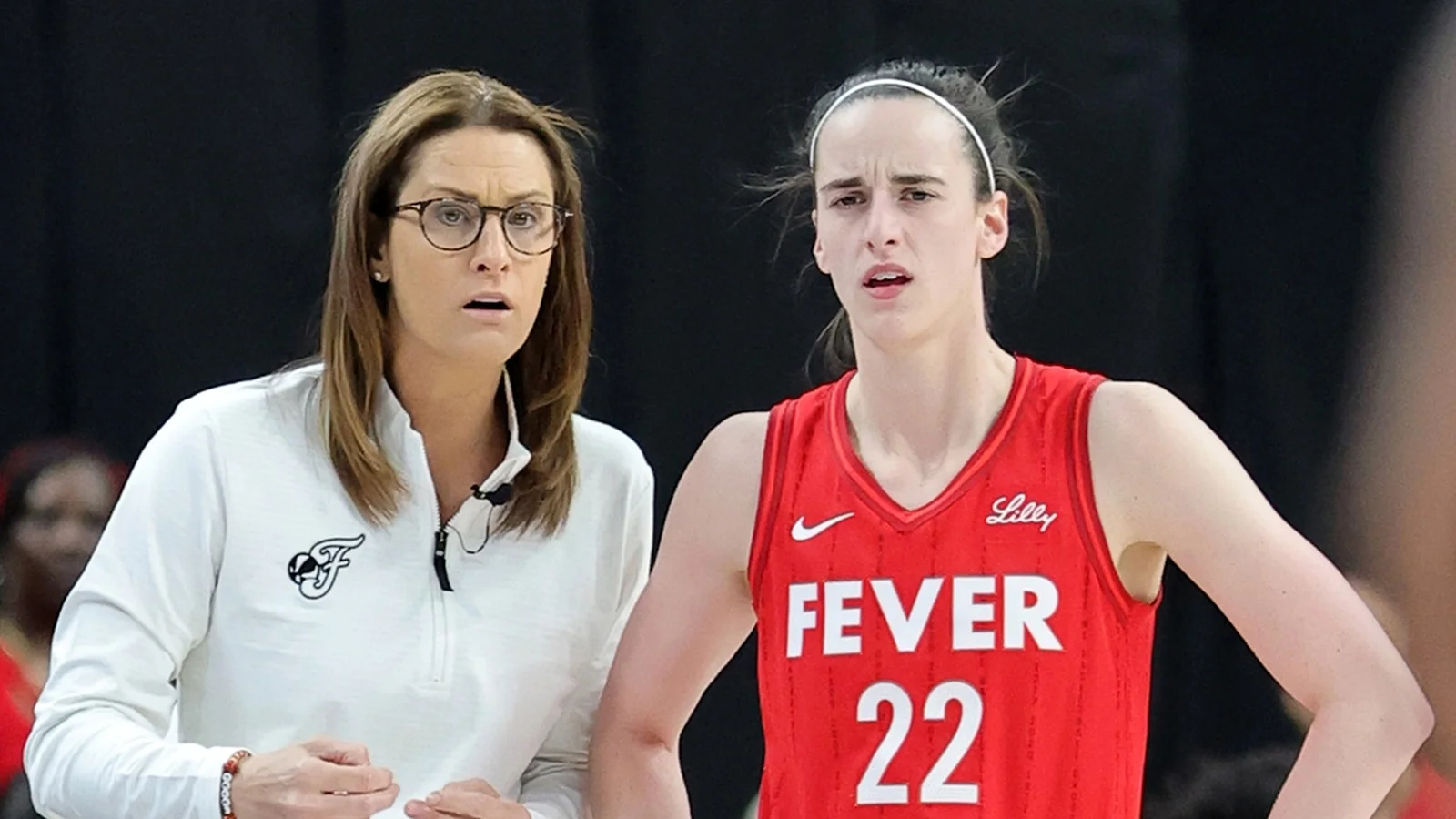
According to Samson, the WNBA is focusing on reinvesting in debt reduction and expanding league infrastructure before allocating a larger share of revenue to players. In 2022, the league raised $75 million by selling equity stakes, with Commissioner Cathy Engelbert channeling these funds into hiring more staff and introducing initiatives like a charter flight program for teams.
These efforts underscore a strategy to build the league’s long-term viability, although they contribute to a tension between current player demands and owners’ priorities.
Significant divide between player expectations and ownership
Samson expressed concern over the widening gap between the players’ views and those of management, describing it as a potentially insurmountable obstacle for negotiating a successful deal.
He remarked,
“My concern is that when there is a level of delusion that creates a gap between players and management that is so significant that that gap is something that even Evel Knievel cannot overcome, I don’t know how you get a deal,”
continuing,
“When the expectation is that the WNBA is rolling in money, and that that money ought to be given to the players … I just don’t know what audience they will get for this internally or externally. We will find out right now who’s got the power with the WNBA.”
Current player revenue share and potential for growth
At present, WNBA players receive approximately 10 percent of Basketball-Related Income (BRI), a significant disparity compared to the near 50-50 revenue split that exists in the NBA. Recently, the WNBA secured a broadcast rights deal that nearly quadrupled league revenue in that area alone, indicating an opportunity for improved player compensation alongside continued financial gains for owners and league officials.
Despite this potential, Samson remains skeptical about how much of the new funds will translate into direct player benefits in the near term.
Caitlin Clark’s critical role in shaping collective bargaining outcomes
David Samson identifies Caitlin Clark as a pivotal figure in influencing the trajectory of bargaining talks and public opinion. He argues that her voice carries exceptional weight because of her ability to draw viewership, revenue, and attention unlike any other athlete in the league or even in comparable sports.
Samson stated,
“I could make an easy argument that the WNBA players’ association ought to be telling all of them to stay quiet. And then when we have something to say from Caitlin, that will be what is meaningful because that will gain public sympathy, public approval,”
adding,
“And above that, it may even have sway with owners.”
Expectations for Clark’s involvement as a turning point
While WNBA players are preparing to use the All-Star game platform to advance their position, Samson believes that Caitlin Clark herself will eventually make a public statement. Given her influence over the league’s popularity and commercial success, her input could significantly alter both public perception and negotiations with team owners.
Samson is convinced Clark will take this step shortly, potentially becoming the decisive factor in bridging the divide between players and management during these critical talks.