
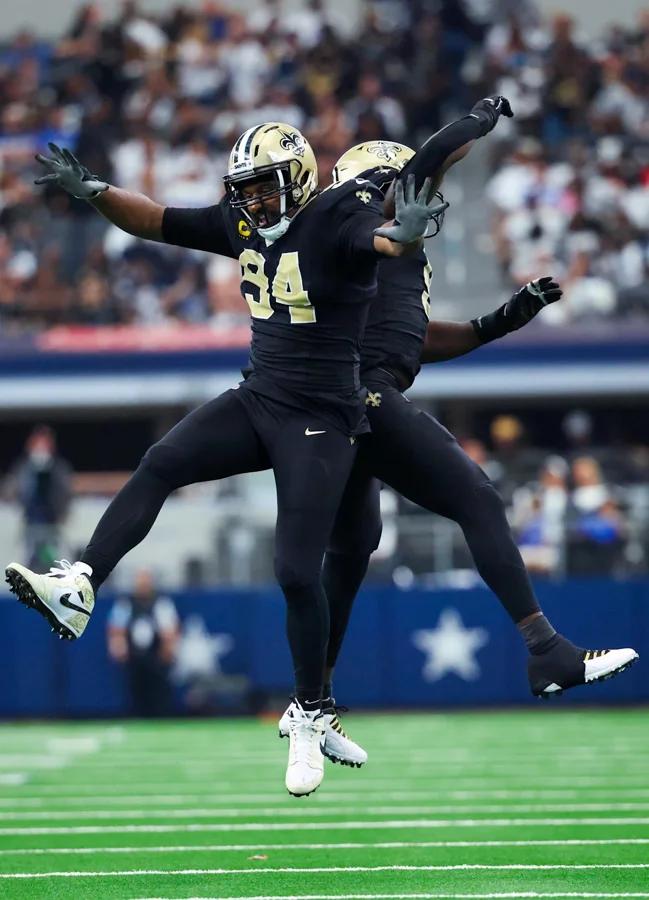

The NFL remains America’s most popular sports league, drawing avid fans who follow the action of its 32 teams closely. However, New Orleans Saints defensive standout Cameron Jordan voiced frustration this weekend about one rule that dampens the excitement — the excessive celebration penalty. Speaking at Fanatics Fest, Jordan said players deserve to celebrate their big plays without being penalized. The criticism highlights tension between league rules and players’ desire to express themselves freely on the field.
During the interview, Jordan explained why he finds the excessive celebration rule troublesome.
“For the fans, I think it’s the excessive celebration,”
Jordan said.
“If you don’t let them celebrate, they scored a touchdown, they dragged three defenders on their back. I got a sack on the quarterback, just give me five seconds.”
—Cameron Jordan, Defensive End, New Orleans Saints
Over the years, the NFL has clamped down on taunting and celebrations, aiming to keep games respectful and avoid unsportsmanlike conduct. Though recent changes have softened some restrictions, many feel the league still limits players’ ability to enjoy their achievements, an issue Jordan brought to light. His comments come amid ongoing debate over which rules still unnecessarily take away from the entertainment and intensity of the game.
Recent NFL rules that have frustrated players and fans
The excessive celebration penalty is just one of several NFL rules that have sparked criticism for being overly strict or illogical. Fans and players alike recall how celebrations were once a thrilling part of the sport during the 1990s and early 2000s, with figures like Terrell Owens and Chad Ochocinco delivering memorable touchdown dances. Today, these types of displays often lead to penalties that disrupt the flow of the game. Beyond celebrations, other rules have also been contested for complicating play or reducing player creativity.
The stance on regular-season overtime duration
One contentious rule is the length of overtime in regular-season games. While each quarter lasts 15 minutes during the game and overtime in the postseason also follows that duration, regular-season overtime is capped at 10 minutes. This shortened overtime came into effect in 2017, despite the recent adjustment ensuring both teams receive at least one possession during overtime, mirroring postseason rules. Critics argue this 10-minute limit is too brief to allow for strategic playmaking, especially since guaranteed possessions extend the potential for scoring opportunities. Many believe the NFL should restore overtime to 15 minutes to better balance fairness and entertainment.
Taunting penalties and celebration restrictions stifle player expression
Taunting and excessive celebration penalties continue to frustrate players who want to revel in their successes without fear of harsh consequences. Legendary moments, such as Owens celebrating on the Dallas Cowboys’ star at midfield or Ochocinco wiping his cleats with the Pittsburgh Steelers’ Terrible Towel, are fondly remembered precisely because they displayed personality and fun.
Currently, players like sack specialists or wide receivers often receive 15-yard penalties and fines after simple victory dances or gestures. Highlights such as Jamal Anderson’s dirty bird dance or A.J. Brown’s pointing after touchdowns are deemed violations, dampening what should be joyous highlights. Fans and athletes argue that scoring a touchdown, forcing a sack, or making a key interception is difficult enough to merit celebrating without penalties impeding the moment.
Intentional grounding exceptions and quarterback protections under scrutiny
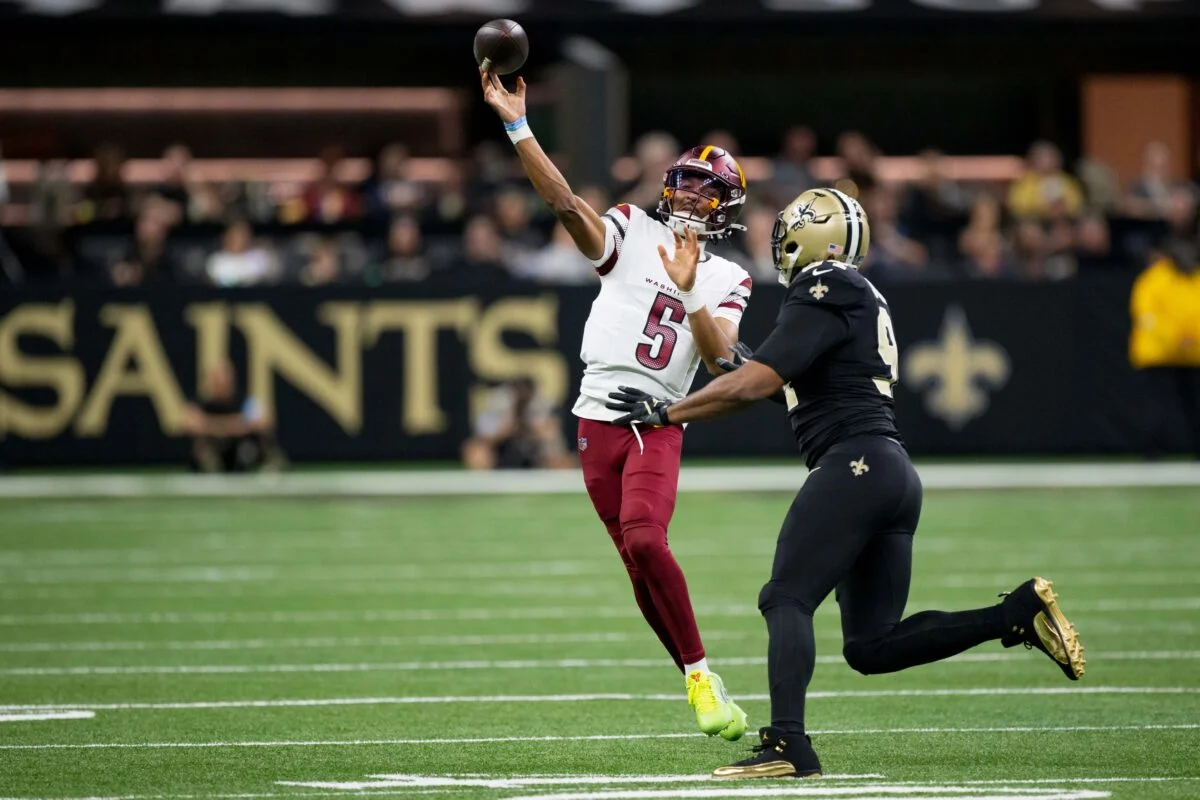
An unusual rule often debated concerns intentional grounding. Since 1993, quarterbacks have been allowed to throw the ball away from the pocket without penalty, as long as the ball goes near a receiver, protecting them from dangerous hits. However, some argue this rule is exploited, as quarterbacks frequently throw the ball out of bounds when under pressure even if no receiver can realistically catch it. This limits defenses’ chances to sack quarterbacks and can unnecessarily prolong offensive plays. While the intentional grounding rule itself stays intact, critics feel this loophole unfairly favors offenses and reduces defensive effectiveness.
Declaring onside kicks removes surprise element
The onside kick, known for its unpredictability and excitement, has lost key elements due to recent rule changes. Previously, teams could attempt onside kicks at any moment, catching opponents off guard. Iconic examples include Sean Payton’s surprise onside kick to start the second half of Super Bowl XLIV. Now, teams must declare when they intend to attempt an onside kick, and only teams trailing in the score can call it, stripping away strategic deception.
This rule adjustment has diminished the creativity and suspense that onside kicks once provided. While the NFL plans to allow trailing teams to attempt onside kicks anytime during the 2025 season—rather than only late in the game—the requirement of declaration still undermines the fundamental surprise. Fans and players hope these rules will be reconsidered to restore some traditional elements of game strategy.
Automatic first down penalties for defensive infringements generate debate
The penalty for illegal contact or defensive holding within five yards of the line of scrimmage currently results in a five-yard penalty plus an automatic first down. While the illegal contact aspect is straightforward — defensive players must avoid impeding receivers prematurely — the combination of yardage and automatic first down is seen as excessively harsh by some analysts and fans alike.
For example, a minor tug by a defender might lead to a first down even on difficult third down situations, which can significantly aid the offense. Suggestions have been made to reduce the penalty to just five yards and a replay of down in some cases, aligning it more closely with other minor infractions like false starts. However, the NFL has not moved toward this change, as the rule is designed to protect receivers but sometimes feels weighted against defenders.
Impact of rules on NFL’s identity and fan experience
The current NFL rulebook reflects a league trying to balance player safety, fairness, and entertainment while managing a high-profile product that millions watch. However, the rise in penalties targeting celebrations, along with changes to overtime and kickoff strategies, reveals a tension between maintaining control and allowing players to express emotion and creativity. Cameron Jordan’s criticism of the excessive celebration penalty underscores a broader dissatisfaction felt by players and fans who want to preserve football’s emotional intensity.
Moving forward, discussions about which rules best serve the game’s excitement and competitiveness will continue. Allowing players to enjoy and display their achievements, such as Jordan’s sack celebrations, could enhance fan engagement and revive some of the vibrant spirit that defined past eras of the NFL. Whether the league adapts these concerns remains to be seen, but voices like Jordan’s are bringing necessary attention to the evolving culture of gridiron football.