
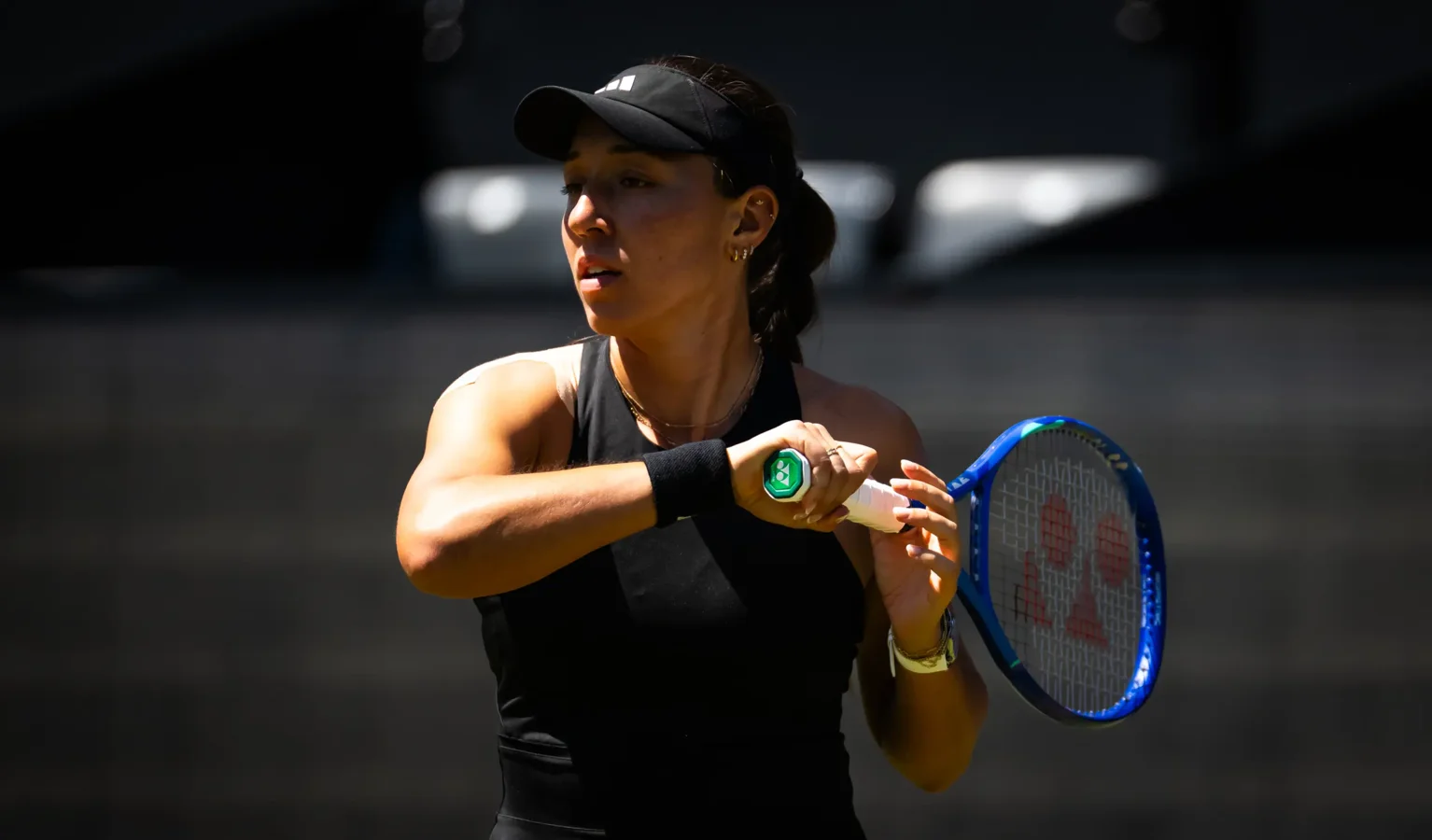

Jessica Pegula, the world number three ranked tennis player and member of a prominent sports family owning the Buffalo Bills and Sabres, recently made an unexpected revelation during the French Open in Paris. In an interview, Pegula admitted to “cheating” in her approach to tennis, specifically regarding her diet and training habits, sparking conversation about the hidden norms among professional players.
Relaxed Attitude Toward Diet and Nutrition Amid Professional Pressure
Unlike many of her contemporaries who follow strict nutrition regimens, Pegula shared that she does not impose a rigid diet on herself. She remarked,
“I’m not overly strict… It’s not like there is a certain window where you could be strict,”
and added,
“If you want to be strict, you’d be strict 11 months out of the year, and that’s just kind of insane.”
This perspective illustrates her belief that maintaining a strict diet year-round is impractical and mentally exhausting.
Admission of “Cheating” Reflects Broader Challenges in Tennis
Pegula’s surprising confession extended beyond diet, as she suggested tennis players may “cheat” more than athletes in other sports due to the unique demands of their routines. She explained,
“I do think maybe we cheat a little bit more than other sports. It’s ’cause (food) is, like, the only thing we have!”
She emphasized the difficulties posed by constant travel and unfamiliar environments, highlighting that occasional indulgence in enjoyable meals is crucial for maintaining mental well-being while competing worldwide.
Diverse Dietary Habits Among Top Tennis Competitors
Pegula’s unconventional methods are not isolated within professional tennis. Other top players are known for their distinctive nutritional strategies—Andy Murray consumes a high-calorie diet during tournaments, Novak Djokovic follows a strict gluten-free and nutrient-dense plan, and Rafael Nadal enjoys a more relaxed approach that includes chocolates, olives, and traditional dishes prepared by his mother. These varied routines underscore the absence of a universal formula for peak performance in tennis.
Implications for Tennis Culture and Future Perspectives
Despite some raised eyebrows concerning her candid comments, Jessica Pegula continues to excel on the tennis court, her unorthodox approach potentially contributing to her success. Her openness sheds light on a rarely discussed aspect of professional tennis—the mental and physical balancing act involving routine “cheating.” This insight may influence how athletes and coaches consider nutrition and wellness strategies in the future, recognizing that flexibility can be as important as discipline in sustaining long-term performance.