
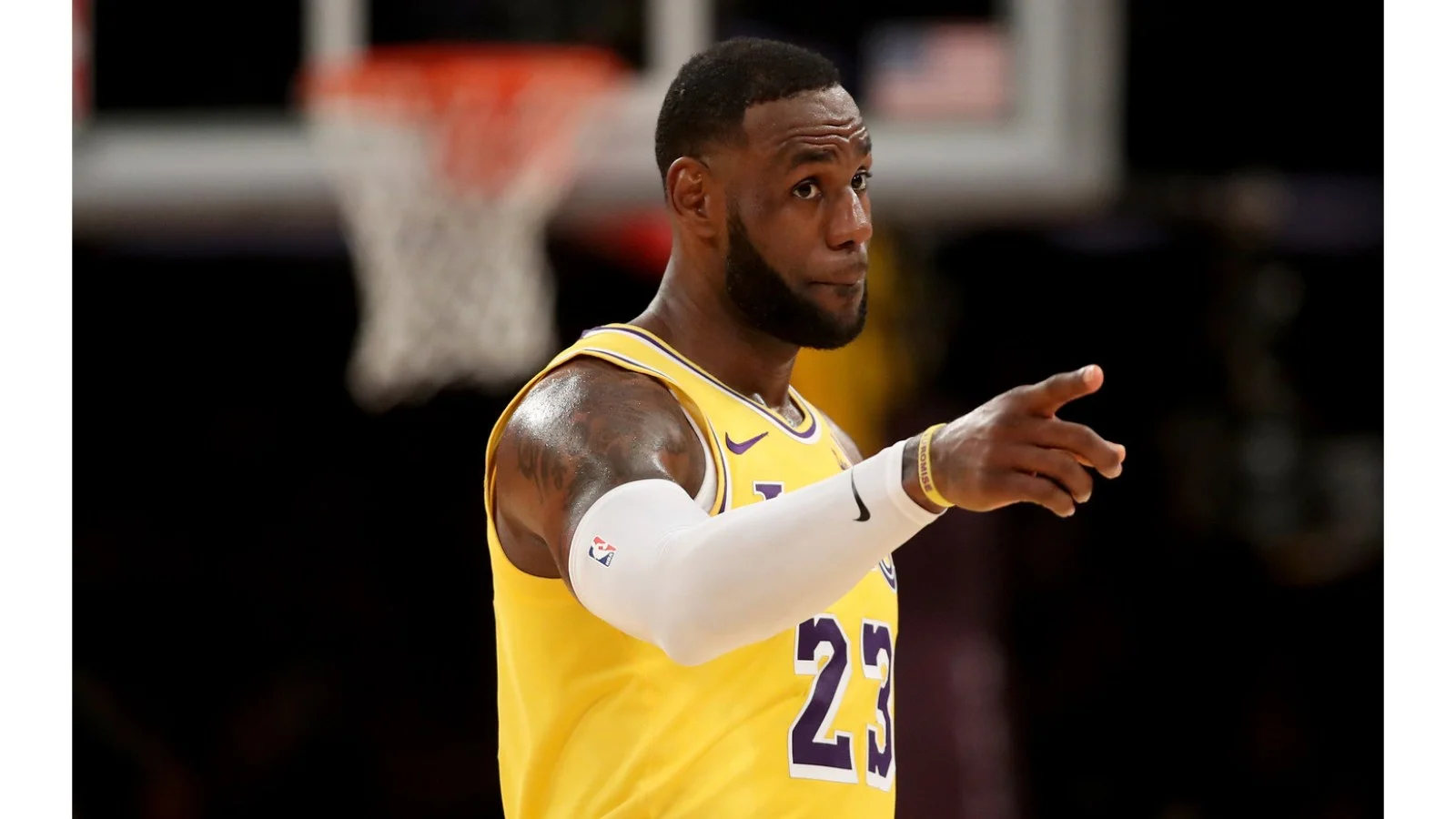

LeBron James recently acknowledged the most blatant travel violation he has committed during his NBA career in a revealing conversation on a podcast. The moment he described occurred in the 2016-17 season while playing for Cleveland against Washington, highlighting ongoing debates about evolving travel rules in the league and their impact on star players like James.
The Changing Landscape of NBA Travel and Movement Rules
Basketball purists often criticize the current NBA era for its relaxed traveling regulations, which contrast sharply with stricter historical standards that limited unconventional footwork such as the Eurostep. Over the years, players like LeBron James have benefited from leniency allowing gather steps and softer calls on moves that would have been violations in previous decades. Alongside these, dribbling rules have also shifted, permitting more hand placements off the ball’s center of gravity, further influencing offensive play styles.
This shift has transformed how contemporary athletes evade defenders and attack the basket, with James standing out as one of the most scrutinized players for exploiting these rules. Known as one of the greatest layup artists in NBA history, James has consistently used moves incorporating gather steps and physicality, drawing criticism for receiving favorable treatment from referees due to his superstar status.
LeBron James Details His Boldest Travel Incident
During a discussion with Steve Nash, LeBron James was asked to recall the most egregious travel he had been allowed to get away with. Without hesitation, James recounted a critical moment late in a close game on the road in Washington during his second stint with Cleveland. Driving full speed at half court, he admitted to traveling significantly as he attacked the lane before missing a layup.
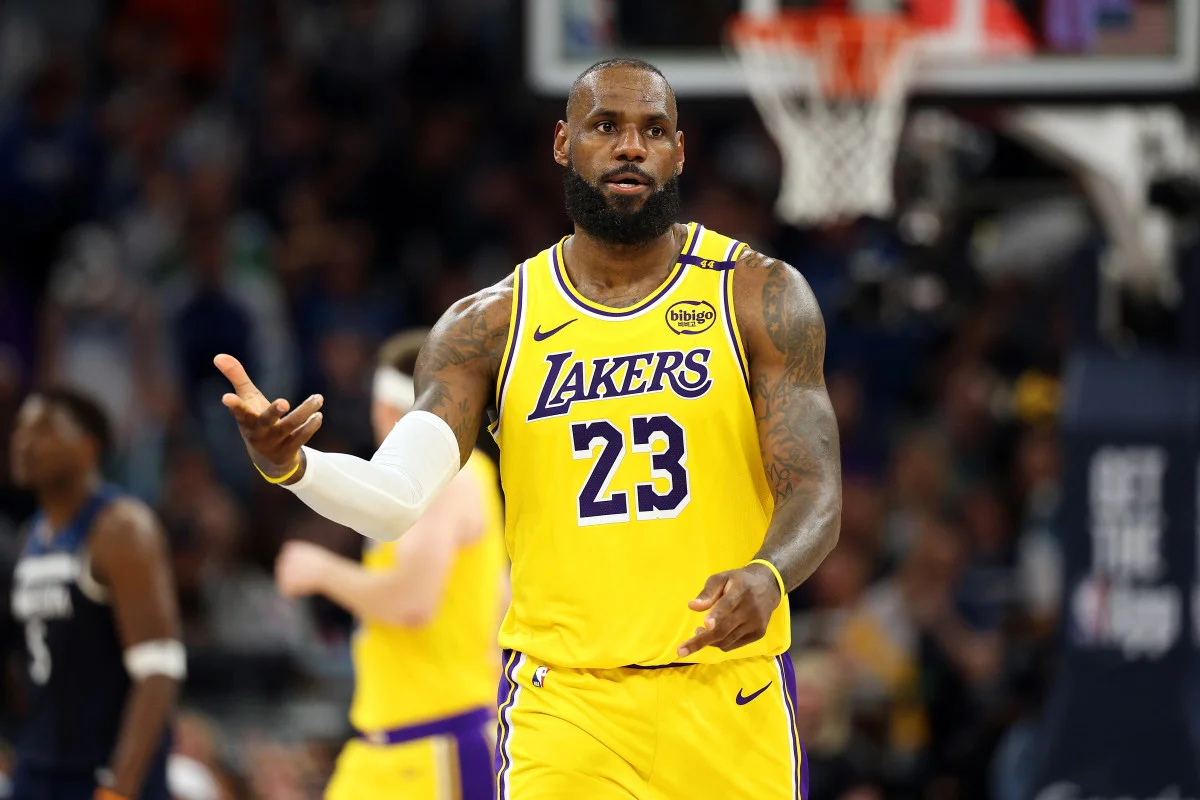
You know what, the basketball gods were not on my side. The one that comes to my mind right now, it was my second stint with Cleveland playing in Washington and we were down one. I got the ball in transition at about half court, and I was driving the lane. It’s late in the game, I was driving in the lane and I traveled like a motherf***er. And I got all the way into the lane and missed the layup.
—LeBron James
Despite his claim that the
“basketball gods were not on my side,”
James still managed a remarkable comeback within that game. After drawing the questionable call, he later tied the game with a difficult three-pointer off the glass in the same sequence, benefitting from a perfect outlet pass from teammate Kevin Love.
I had a wide open layup and I missed it. It’s the same game when I end up tying it hitting the 3-pointer off the glass. After they made two free throws, I hit the (turnaround jumper).
—LeBron James
Differences in How Officials Treat LeBron James and Giannis Antetokounmpo
LeBron James’ style of play has always necessitated unique officiating compared to other players in his position, in part because of his rare combination of strength and speed. Defenders are often permitted more physical contact with him, but James is also allowed to initiate contact and draw fouls more frequently than many peers. This nuanced treatment has been a subject of debate among fans and analysts alike.
Giannis Antetokounmpo, known as the “Greek Freak,” is another player subject to controversial officiating, despite adopting a similarly physical approach. Like James, Giannis uses his off arm to create separation, hold off defenders, and power through the paint. Yet, both players represent exceptions in a league that has progressively loosened constraints on offensive physicality.
Many longtime NBA followers suggest that legends such as Julius Erving, Michael Jordan, and Hakeem Olajuwon might have reached even greater heights if granted the same freedoms enjoyed by modern stars both from referees and coaching strategies.
Referees’ Impact on Modern NBA Play Styles and Player Perceptions
The evolution in rule enforcement—especially regarding travels and physical plays—has reshaped how contemporary stars like LeBron James navigate the court. The flexibility in officiating has fostered offensive creativity but also stirred controversy about fairness and consistency. James’ admission highlights a tension between traditional rules and modern interpretations that can alter game outcomes and player legacies.
This incident serves as a vivid example of how officiating can influence critical moments, extending beyond individual plays to affect perceptions of player legitimacy. As the NBA continues to evolve, discussions about travel violations, foul calls, and physicality remain central to debates about how the game should balance entertainment, fairness, and historic precedent.